
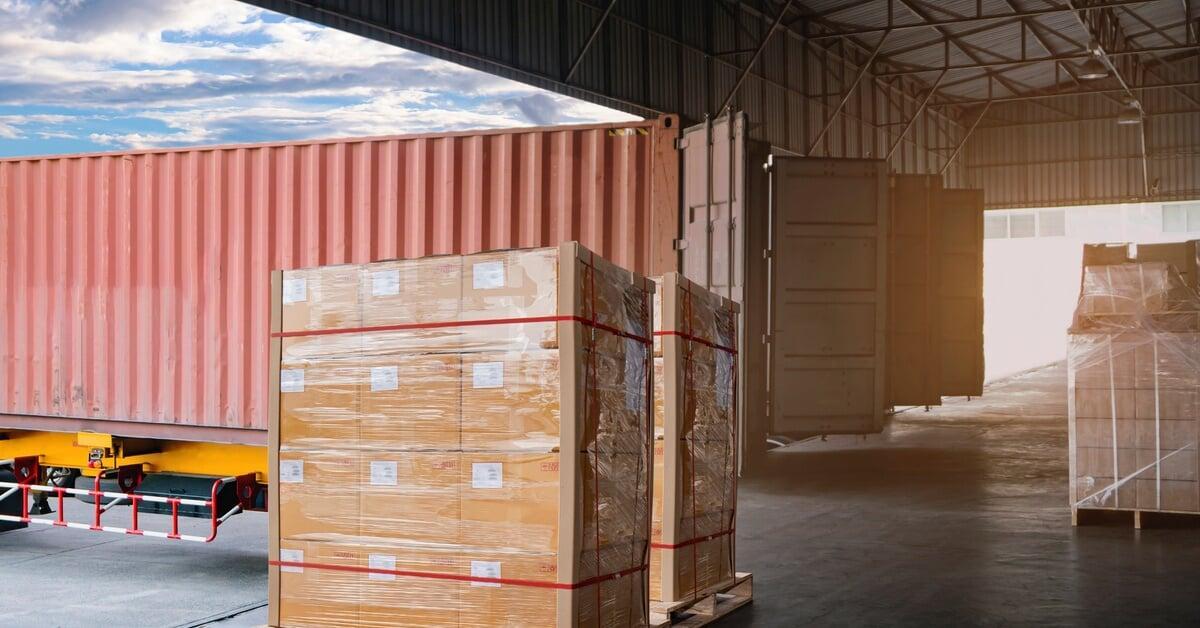
Cracked glassware, crushed cartons, and rattling electronics can still show up after what appeared to be a solid wrap on the floor. This problem often starts before the film even touches the load. Pallet wrappers stabilize only what teams prepare, and weak foundations or pressure points invite movement.
Managers need a practical sequence that keeps delicate items secure without crushing them. Protect your goods with our tips for safely wrapping fragile items with a pallet wrapper.
Anchor the Load Before You Start
Loads slide the moment the turntable spins if the film does not anchor to the pallet. You can prevent this by attaching the film tail to a deck board or notch, then running the first four to six wraps low across the pallet deck and the bottom row of cartons.
Pull the first few revolutions tight around the base so the film grabs the pallet, not just the boxes. A firm base wrap secures the stack to the wood, resists shear, and prevents bottom-layer blowouts during turntable rotation.
Keep Fragile Items Away From the Edges
Corners take the first hits from pallet jacks, forks, and tight turns, so fragile goods need space from the perimeter. Center the load on the deck and create a small buffer zone inside all your containers; even a one- to two-inch buffer reduces corner crush and damage to goods.
Apply this to glassware cases, ceramics, electronics, and bottle packs, which poorly handle edge impacts. A centered, compact footprint also reduces sway during acceleration and braking.
Use Corner Boards for Pressure Protection
Film tension stabilizes the load, but it can crush light or fragile cartons. Corner boards distribute the pressure along the vertical edges, so boxes stay square even under a tight wrap. Seat each board from the pallet deck to the top layer, keeping them aligned as the table turns. The boards give the film a clean surface to grip, prevent edge collapse, and reduce lean before the wrapper even starts.
Add Cushioning Between Layers
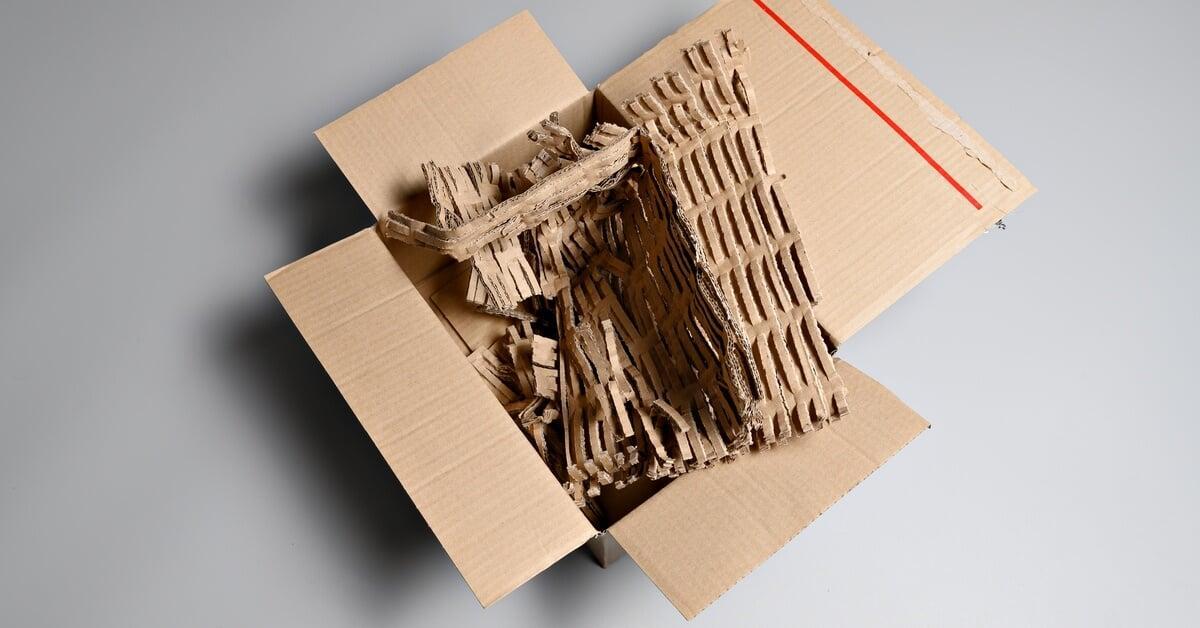
Fragile items vibrate and compress in transit, even when the wrap looks solid. Foam sheets, bubble layers, or corrugated pads between tiers absorb shock and spread weight across the full footprint.
Place pads at high-pressure points, such as under the top tier of glassware or between small-box layers that cover gaps. Consistent cushioning reduces rattling inside cartons, prevents micro-abrasion on printed boxes, and keeps the stack from tilting as the wrapper tightens.
Stabilize Odd Shapes With Void Fill
Uneven items and mixed-case patterns leave hidden gaps that collapse under tension. Fill internal voids with Kraft paper, air pillows, foam corners, or custom-cut corrugated cardboard to ensure cartons sit flush and stable.
Additionally, close the gaps between boxes and brace any overhangs or awkward lips to tighten the footprint. Specific items, such as lamps, decor pieces, mixing bowls, and gift sets, often require additional support within the master carton and between tiers to keep everything secure. Once braced, check the stack for straight lines before you start wrapping.
Pre-Stretch Film for a Firm but Gentle Hold
In order to safely wrap fragile items with a pallet wrapper, you’ll need to have the proper hold on your pre-stretch film. Hand-wrapping creates uneven tension that crushes lightweight packaging or leaves loose spots that shift in transit. Set the pallet wrapper’s pre-stretch so the film elongates consistently and grips the load without compressing it. Start near the film manufacturer’s recommended range, then test a few products with a quick push-pull check to make sure the wrap holds without distortion.
Pre-stretched film delivers a strong hold with less force, keeping fragile items protected while the stack moves as a single unit. Train operators to fine-tune pre-stretch based on product type and seasonal conditions, since both corrugate and film respond differently to heat and cold.
Wrap in Overlapping Layers
Overlapping layers increase durability and reduce the chance of film peeling or tearing during transit. Maintain roughly 50 percent overlap with consistent tension from bottom to top, then back down. Make at least two to three full passes around the lower, middle, and upper sections of the stack. This redundancy reinforces weak points like mixed-size tiers or partial layers. If there are any exposed edges or corners, apply a targeted wrap before finishing the top layers to secure everything in place.
Create a Top Shield
Top-layer cartons face downward pressure from stacking and collect dust in staging. Add a poly top sheet or crisscross two to three film passes to form a protective membrane. Seat the sheet flat with no air pockets, then capture it with the first wrap around the top tier. Glassware towers, high-end electronics, and other fragile or lightweight items all benefit from this protective barrier. A clean top also helps during receiving, where dust and scuffs trigger extra inspection time.
Use Clear “Fragile” and “Top Load Only” Indicators
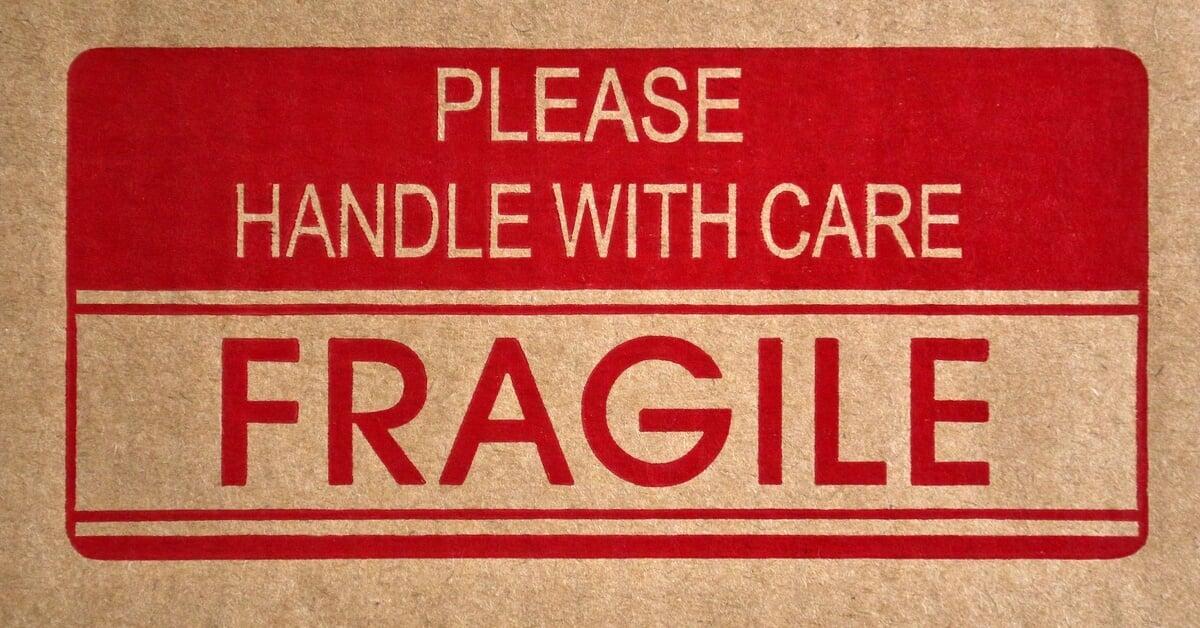
Even with the right labels, crews can mishandle loads if indicators are only on one side or obscured by film glare. Clearly apply visible indicators on multiple faces of the pallet to make sure workers handle fragile items correctly.
Here’s how to do it effectively:
- Apply labels strategically: Place labels at eye level and near corners on multiple sides of the load. This ensures they are visible from almost any angle.
- Use handling tape: Add brightly colored handling tape across the top layer of the pallet. This acts as an immediate visual cue for workers, especially during stacking.
- “Fragile” indicators: Affix “Fragile” labels on at least two adjacent sides, plus the side most likely to face forward during transport.
- “Top Load Only” notices: Place “Top Load Only” indicators clearly on the poly top sheet and around the perimeter of the top tier.
- Choose contrasting colors: Use labels and tapes with colors that stand out against both the product packaging and the stretch film, ensuring they remain easy to read.
Test the Load Before Shipping
A 30-second stability test catches problems that visual checks miss. Gently push at mid-height on each side and watch for sway, lean, or sliding at the base. Tug the top sheet, then rock a corner to detect internal movement that indicates gaps or over-compression. If the stack shifts, add void fill, tighten the base wraps, or increase overlap at the trouble zone. That quick fix on the dock avoids returns, write-offs, and upset customers later.
Buy Quality Equipment
The automatic palletizing machine you use can also significantly affect the stability and safety of your pallet loads. Investing in high-quality, purpose-built palletizing equipment can significantly improve the efficiency and effectiveness of your operations.
Look for features such as adjustable height, automatic stretch wrapping, and integrated conveyors to ensure smooth and consistent palletization. It’s also important to regularly maintain and inspect your equipment to identify any potential issues before they cause problems.
We Can Help
PackSmart is a full-service packaging supplies and equipment provider with over 40 years of industry experience, offering a wide range of materials and machinery to help businesses improve productivity, reduce costs, and streamline their packaging operations. Browse our products and contact us today for a customized solution tailored to your specific needs!