
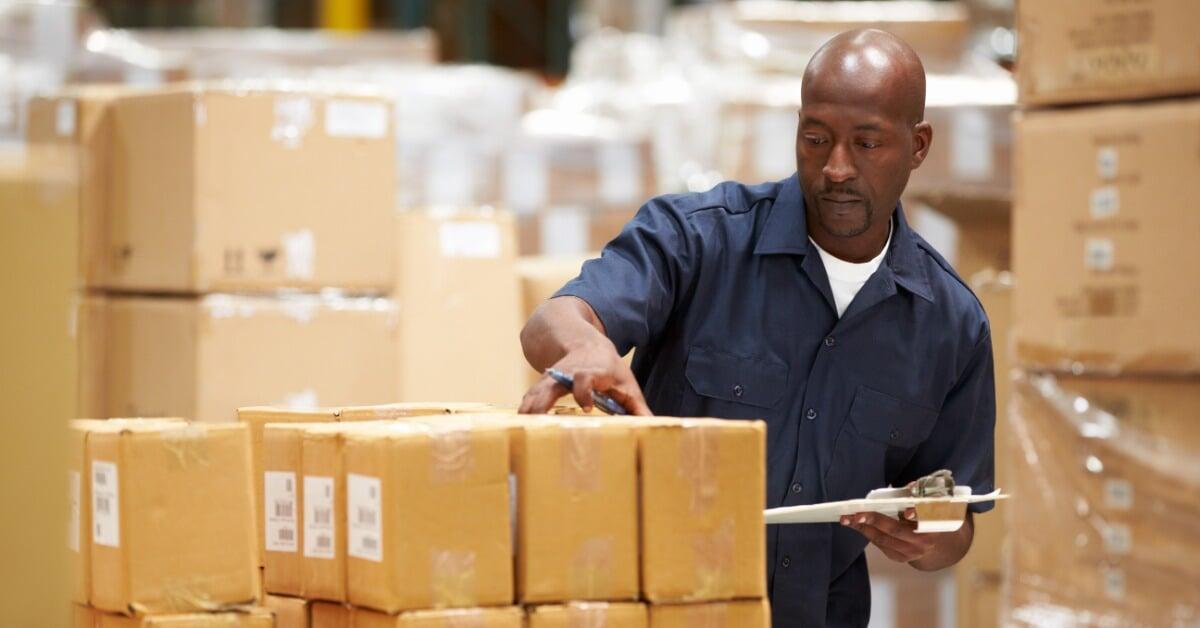
A shipping box has to stay closed through conveyor movement, stacking, forklift handling, trailer vibration, and repeated transfers. Small variations at the sealing station can leave one carton secure while the next has loose tape, lifted flaps, or weak adhesion. For warehouse managers, reliable box sealing plays an important role in shipping because the final closure affects package protection and the consistency of outbound work. A repeatable sealing process gives every carton a stronger starting point before it leaves the facility.
Consistent Seals Help Cartons Stay Closed
Tape has one primary job at the end of a packing line: hold the carton flaps together through the handling that follows. When workers apply tape with uneven pressure or place it off-center, parts of the adhesive might not make full contact with the corrugated surface. A loose edge gives the seal a place to lift, especially when a carton flexes under weight or vibration.
Consistent application keeps the tape centered over the seam and gives the adhesive dependable contact across the closure. The tape should extend far enough down the sides of the carton to resist peeling at the ends. When each box receives the same placement and pressure, the shipping team reduces the variation that often leads to rework or failed seals.
Secure Closures Support Product Protection
The outer carton works together with cushioning, void fill, dividers, and other interior packaging to protect the product. If the box opens during handling, those internal materials lose part of the structure that keeps them in position. Products might shift toward an open flap, and loose contents face greater exposure to impacts or contamination.
A strong seal doesn't compensate for a damaged carton or poor internal packaging, but it helps the complete package perform as intended. Warehouse teams should treat closure quality as one part of the overall protection system. When the box, internal materials, and seal work together, the package has a high chance of reaching its destination in the same condition it left the facility.
Uniform Tape Placement Reduces Weak Points
A strip of tape that looks acceptable at a glance might still create a weak closure. Tape that runs too far to one side leaves less adhesive on the opposite flap, while wrinkles and folds reduce surface contact. Short tape legs at the ends of the box also give the seal less material to resist lifting.
Repeatable placement removes much of that inconsistency. Operators can check whether the tape crosses the center seam evenly, adheres smoothly, and reaches the expected distance down each side. Inspections are straightforward with clear standards; employees know what a finished carton should look like before they send it on.
Proper Adhesion Depends on the Carton Surface
Dust, corrugated fibers, moisture, temperature, and surface coatings influence how well an adhesive bonds to a carton. Boxes that sit in cold storage or move through changing environmental conditions might behave differently from cartons kept in a controlled packing area.
Teams need to match tape selection and application conditions to the cartons they use. They should also watch for crushed flaps, bowed panels, or debris along the center seam before sealing. Addressing these conditions early helps the adhesive make stronger contact and prevents employees from relying on extra tape to cover an underlying packaging problem.
Repeatable Sealing Keeps the Packing Line Moving
An inconsistent closure does more than affect one shipment. When an employee notices loose tape or an open flap, someone has to stop, inspect the carton, and apply a new seal. Rework interrupts the normal flow of cases and creates extra handling near the end of the packing process.
Those interruptions become more noticeable when outbound volume rises. A steady sealing method helps workers maintain a predictable pace because finished cartons require fewer judgment calls at the station. Employees can compare each seal against a clear standard and spend their attention on packages that actually need correction.
Consistency Makes Quality Checks More Useful
Quality control works best when employees know what normal performance looks like. If every carton leaves the sealing area with different tape placement, workers have a harder time separating harmless variation from a developing problem. A consistent process creates a baseline for spotting changes.
For example, repeated tape tails, wrinkled applications, or drifting placement might signal that equipment needs adjusting or that the carton doesn't enter the sealing area correctly. Responding to patterns before they affect a large group of shipments with strengthen the packaging process's efficiency.
Carton Condition Still Matters
Sealing equipment and tape work with the carton as part of the same packaging system. A box with damaged flaps, an overfilled top, or a poorly formed center seam gives the sealing step an uneven surface. Even a well-applied strip of tape might struggle to hold when the carton pushes continuously against the closure.
Before the box reaches the final sealing point, confirm that the flaps meet correctly. The contents shouldn't force the top upward. Starting with a sound case lets the sealing process reinforce the package without needing the tape to correct structural problems.
Automation Improves Repeatability at High Volumes
Manual taping works for many operations, especially when shipping volume stays manageable and carton sizes vary widely. However, high throughput places substantial pressure on employees to close boxes quickly. Speed often introduces changes in tape length, alignment, and application pressure from one package to the next.
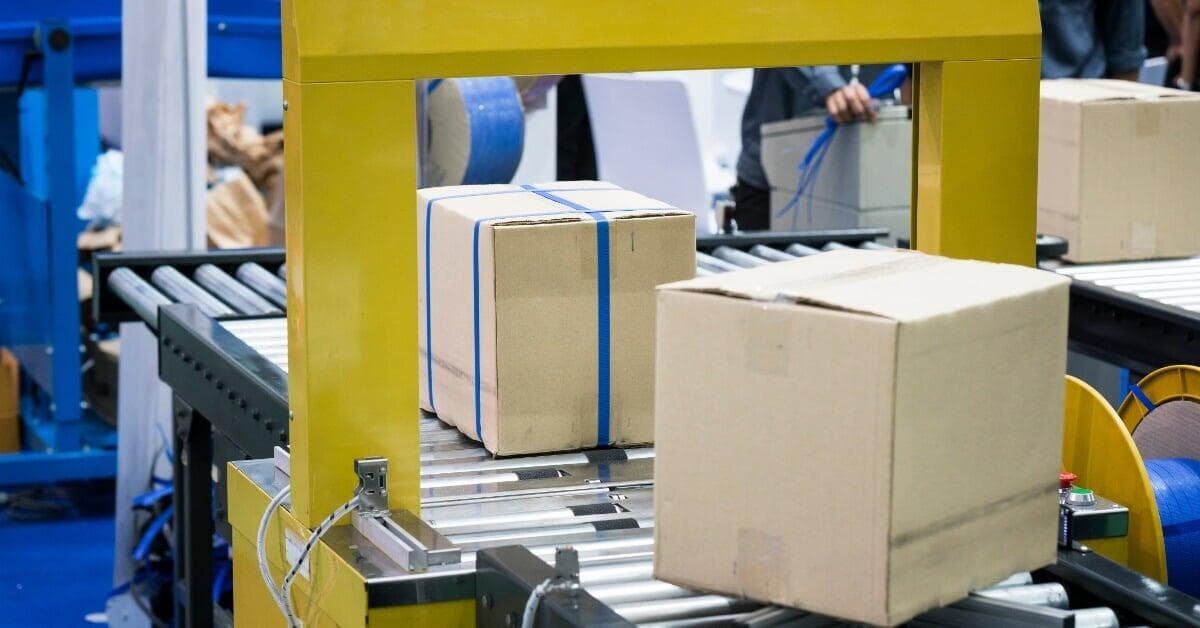
A case sealer guides cartons through a controlled taping process and applies the closure in a repeatable pattern. Depending on the equipment, employees might still fold flaps and feed the box into the machine, or the system might handle more of the closing sequence automatically. The right level of automation should match carton variety, production volume, available labor, and the surrounding workflow.
Reliable Sealing Strengthens the Final Shipping Step
The last packaging step deserves the same attention as carton selection and internal protection. Consistent carton sealing helps protect shipments in transit by reducing avoidable variation at the point where the box closes. When teams establish clear sealing standards, inspect carton condition, and use equipment that fits their workflow, they create a more dependable handoff from packing to shipping.
PackSmart helps warehouse teams evaluate packaging processes and equipment for their operational needs. If inconsistent seals, frequent rework, or rising volume are putting pressure on your shipping area, contact PackSmart to discuss whether a case sealing machine fits your packaging line.