
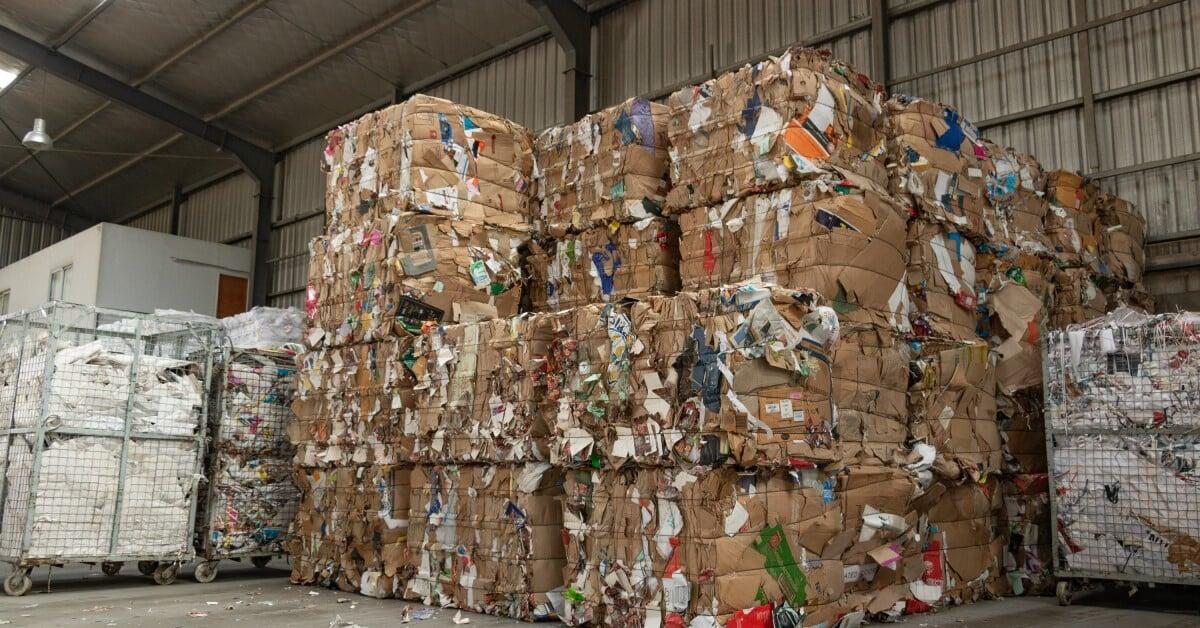
Cardboard piles never stay small in busy operations. Dumpsters fill early in the week, haulers charge for extra trips, and teams burn time breaking down boxes that just keep coming. Backrooms tighten up, aisles clog, and managers scramble to keep workflow moving as deliveries arrive and outbound cartons stack up.
A baler gives that stream of cardboard a central path, keeping waste manageable and out of the way. Teams load a chamber, cycle the machine, and produce dense bales that move on a schedule rather than in a scramble. The result feels less like a bandage and more like infrastructure. Here are a few reasons a cardboard baler is a good investment.
Lower Waste Hauling and Disposal Costs
Loose corrugate swallows dumpster volume quickly, putting pressure on hauling schedules almost immediately. When dumpsters reach capacity faster than scheduled, haulers add extra pickups, apply overflow fees, and turn waste costs into a moving target. What starts as a space problem quickly becomes a budget problem.
Baling changes that equation by compressing cardboard into dense, stackable units that move through the same pickup without triggering added charges. Instead of paying for air, sites ship compact loads that make better use of every haul. In high-throughput environments, that shift leads to steadier waste budgets. Retail stores, warehouses, and manufacturers avoid surprise overage bills as haulers service accounts more efficiently.
Better Use of Valuable Floor Space
Even when staff flatten boxes, corrugate stacks creep along walls, spill into staging zones, and narrow aisles. That sprawl comes at a cost. Every square foot of waste-occupied space reduces storage space, slows the movement of products into inventory, and drags down overall throughput.
A baler pulls that cardboard into a single, controlled location and replaces scattered piles with a few dense bales. Instead of managing clutter across the floor, teams manage one contained stream. As soon as that clutter disappears, space opens up for picks, pallet staging, and safe forklift turns.
Why It Matters
Facilities that operate within tight footprints feel the impact quickly. Workers move with fewer obstacles, traffic patterns stay clear, and interruptions drop during peak hours.
Faster Cleanup and Smoother Daily Operations
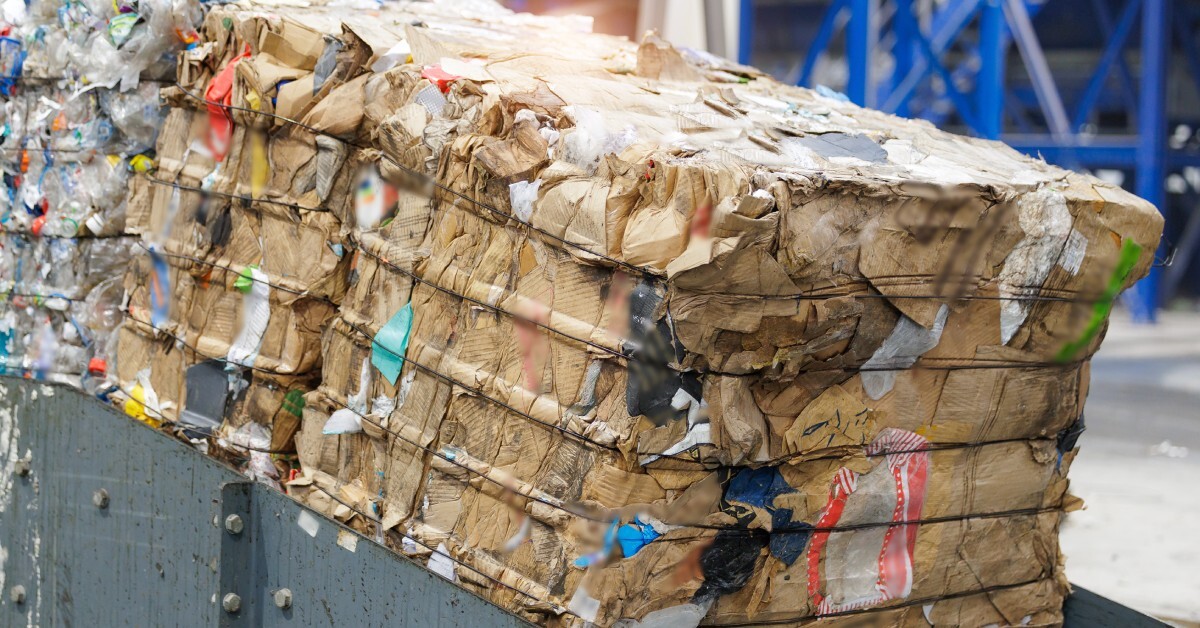
Breaking down cartons by hand pulls people away from revenue work throughout the day. Staff step away from stocking, packing, or running equipment to deal with cardboard as it arrives. That constant task switching adds friction to already tight shifts.
A cardboard press machine turns that scattered work into one repeatable process. Teams load the chamber, run the cycle, and band a bale when the unit reaches capacity. Instead of hauling loose boxes across the building, workers move compact bales with a pallet jack. That shift cuts time spent on low-value handling and gives supervisors more flexibility to deploy labor where it drives the most output.
Improved Workplace Safety
Loose cardboard creates trip hazards and can hide other dangers under flaps and straps. Overflowing piles block pathways, and narrow egress routes make it harder to maintain clear, safe spaces. A baler reduces that exposure by keeping waste organized and contained in one location.
Facilities that compact cardboard consistently report fewer slips, trips, and falls in receiving and packing areas. Additionally, fire marshals favor sites where exits remain clear and pile heights are controlled, as this prevents hazards. With clutter removed, people spot hazards sooner, move with better lines of sight, and avoid taking shortcuts through crowded zones, creating a safer environment for everyone on the floor.
Revenue Potential From Recycled Cardboard
Baled cardboard is more valuable than loose material because recyclers prefer dense, clean loads that ship efficiently. Buyers pay more for full trailer loads that go straight into processing. Loose corrugate, by contrast, adds handling and transport inefficiencies, which can lower pricing or even lead to rejection.
Moreover, revenue from baled cardboard is steady and supplemental rather than a windfall. While prices vary by region and market, consistent bale quality and regular shipment schedules attract better offers over time. Teams that segregate corrugate from contamination, properly strap bales, and ship on a set cadence generate reliable outbound revenue that helps offset hauling costs.
Stronger Sustainability and Environmental Positioning
The way an operation handles waste sends a clear signal to customers, employees, and partners. Baling supports higher diversion rates by turning a messy, mixed stream into a clean, recyclable commodity. That clarity helps operations meet internal waste reduction targets without guesswork.
For companies that report ESG or sustainability metrics, a baler provides tangible data points: the number of bales produced, the weight per pickup, and the avoided landfill volume. Those figures strengthen reporting, reduce scrutiny during audits, and build trust with stakeholders who value visible, verifiable action.
Cleaner, More Professional Facility Appearance
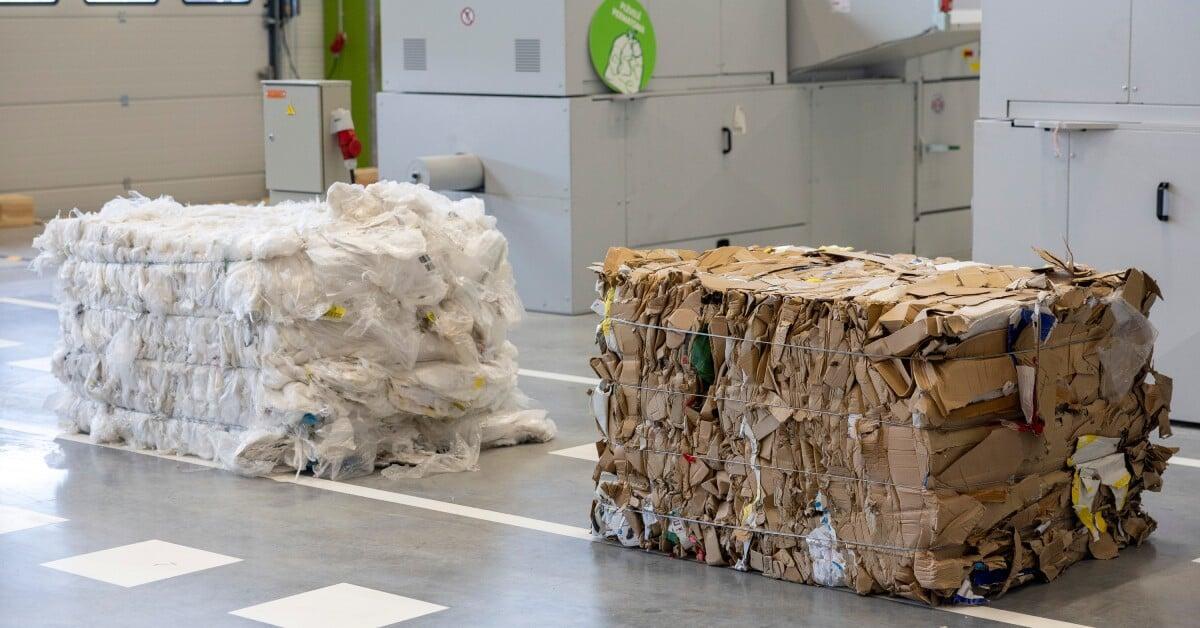
A cardboard baler is also a good investment because it helps you keep the facility tidy. Cardboard clutter looks sloppy to customers walking past receiving doors, inspectors checking egress, and carriers backing into docks; piles drifting across backrooms signal disorganization and distract from otherwise strong operations. Bales, by contrast, sit neat, strapped, and ready for pickup, projecting a sense of control and order.
That order pays off in multiple ways. Corporate teams and regulators notice when dock areas stay clean and staging zones remain open, reflecting well on the entire operation. Clean spaces also help new hires understand standards faster and maintain them with less coaching.
Fewer Dumpster Overflows, Fines, and Pest Issues
Overflowing dumpsters trigger extra fees, create windblown litter, and attract pests that pose sanitation problems. Additionally, rain and snow soak loose corrugate, adding weight and driving up disposal costs. These issues compound during peak seasons, when waste volume spikes and pickups fall behind schedule.
Compact bales prevent that chain of problems by keeping cardboard contained until scheduled pickup. Sites avoid surprise fines, reduce cleanup after storms or windy days, and keep docks and yards clear. That containment also lowers pest pressure and makes health inspections smoother and more predictable.
Long-Term Cost Efficiency and ROI
A baler requires upfront capital, so teams need a clear path to pay it back. The math usually starts with fewer pickups, lower overage fees, and reduced labor time on low‑value tasks. Bale revenue fills in the rest, and durable equipment stretches the return over years of daily use.
To estimate payback and long-term savings, teams can build a simple model using data that procurement and operations already track, including the following:
- The monthly volume of corrugate and the size of current containers
- Frequency of pickups and any overage fees
- Daily labor time spent handling cardboard
- Expected bale weight and the price per ton from local buyers
By combining these inputs, operations can build a realistic model to forecast payback periods and ongoing savings, showing how a baler quickly becomes a cost-saving asset.
Shop Cardboard Balers
Streamline your packaging process with PackSmart’s reliable equipment, durable materials, and expert solutions. Our machines can help whether you’re shipping high volumes, managing inventory, or looking for cost-effective materials. Take control of your packaging workflow today and experience the difference that quality, dependable solutions can make for your business.