
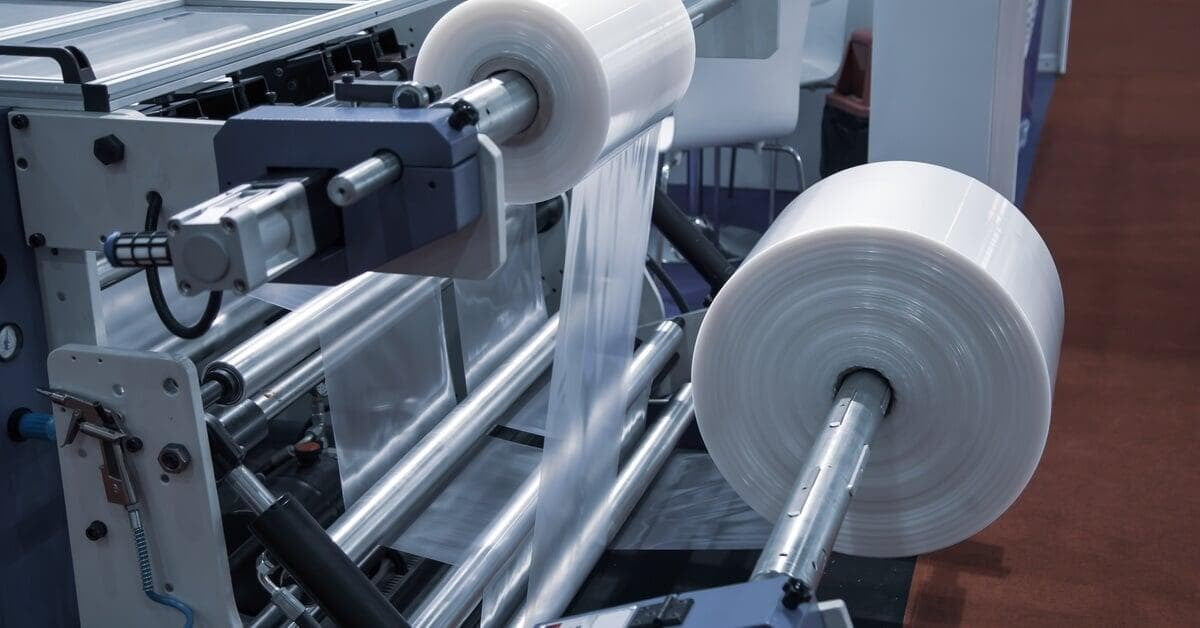
Manual bagging can work well as long as daily volume stays manageable. A small team may keep orders moving at first because the packing station still has enough time to handle each item by hand. As volume grows, the same routine can take longer than the rest of the workflow can accommodate.
Early problems usually show up through delays around the packing area. Workers may spend so much time preparing each bag that order checks receive less attention. Finished packages may also start to collect near the line when bagging becomes the slowest step. These workflow issues help show when automatic bagging machines make sense.
Rising Order Volume Starts Slowing Fulfillment
Order volume creates one of the clearest reasons to review a manual bagging process. A few extra orders may not cause problems, but steady growth changes the pressure on the packing area. When workers need to bag more products per shift, small delays start to affect the rest of the fulfillment process.
A team may start to notice that picking finishes well before packing can catch up, creating a gap between stages of the process. By the end of the day, finished bags might sit and wait for shipping, which adds to the sense that work is backing up. Even when employees are working hard, these delays can make the entire operation feel like it’s falling behind. At that point, the problem often has more to do with the process itself than the people doing the work.
Manual Bagging Takes Too Much Labor
Bagging looks simple until a team has to repeat the same motion all day. Each package requires the worker to grab a bag, open it, place the product, and seal it. One package may not take much time, but a full shift can turn that small task into a major labor demand.
Growing operations often reach a point when automatic bagging machines make sense. The equipment can reduce the amount of time workers spend on the most repetitive part of the job. More support at the bagging station gives the team room to focus on checking packages or moving completed orders forward.
Packing Speed Changes From Shift to Shift
Manual bagging can create uneven output when each operator develops a different rhythm. One worker may prepare several bags ahead of time, while another may stop after each product to check the seal. Small differences like these can change how many finished packages move through the station in an hour.
A bagging machine can help reduce that gap by giving each operator the same steps to follow. The machine presents the bag in a ready position, so the worker does not lose time opening each one by hand. The operator can place the product, start the seal, and move the package forward with fewer interruptions. A steadier process helps managers set more realistic production goals for each shift.
Product Handling Feels Repetitive
Some products work better with automatic bagging because they move through the station the same way each time. A product that fits the bag cleanly allows the operator to load it without extra adjusting or repositioning. That steady motion helps the machine support the process rather than slow it down.
Frequent product changes can reduce the value of automation. When operators need to stop often for size changes or special handling, the station loses the speed advantage that the machine should provide. A steady product flow gives the equipment a clearer job, because the team can keep the same setup in place for longer runs.
The Packing Area Has Become Crowded
A crowded packing station often shows that the process has outgrown its layout. Manual bagging can require open work surfaces, loose supplies, and space for finished packages. When employees need to reach around clutter, the job takes longer than it should. The extra movement can also increase the likelihood of errors.
A bagging machine may help organize the station into a clearer flow. Instead of spreading materials across several surfaces, the team can build the process around one defined area. That does not automatically fix every layout issue, but it can make the packing step easier to manage. A cleaner station also helps employees understand where each item belongs.
Packaging Errors Keep Showing Up
Bagging errors often point to a process with too many manual decisions. When workers choose bags by sight or rely on memory at each step, small differences can lead to incorrect package sizes or weak seals. A problem at the bagging station may not show up until the order reaches shipping, which forces the team to stop and correct work that should already be finished.
Generally, automated bagging machines help reduce those corrections by making the process more controlled. The machine can present the bag in the same way each time, which removes a common source of variation at the station. When printing or labeling is integrated into the setup, the package can also carry the correct information before it moves forward. Stronger control at this step helps protect order accuracy without adding more manual checks.
Labor Needs Extend Beyond the Bagging Station
Many warehouses need the same employees to support several areas throughout the day. When one person stays tied to bagging, another part of the operation may fall behind. That can affect order checking or shipping prep. It can also make the team feel stretched during peak periods.
Automatic bagging equipment can help reduce manual handling at a single station. The operator still supports the process, but the machine can handle part of the repeatable work. This can help managers use labor more effectively without relying solely on additional hiring.
Growth Plans Require a More Scalable Process
Some teams consider automatic bagging to avoid the daily delays caused by the current process. That approach can make sense when the business expects higher volume in the near future. Growth often exposes weak points in packing because small steps occur more frequently. A manual process that works today may struggle once order flow increases.
Planning early gives managers time to evaluate the product, the space, and the pace they need. It also helps avoid rushed equipment decisions after problems have already affected shipping. The best system should fit the current operation while giving the team room to handle more volume.
Talk Through the Right Fit With PackSmart
Choosing bagging equipment requires more than picking a machine with the right speed rating. The product, the bag, the space, and the daily volume all shape the decision. PackSmart helps businesses review those details so they can choose equipment that supports the way their operation runs. Stronger bagging support can help the packing line keep pace as daily demands grow.