

A vertical baler is a space-efficient machine that compacts waste materials into dense, manageable bales. Unlike horizontal balers, which require more floor space, vertical models are perfect for small to mid-size operations looking to streamline their waste management.
Properly sorting materials prevents damage to your machine and creates higher-quality bales that recyclers will pay more for. Below, we have expert advice on what materials you can put in a vertical baler.
Old Corrugated Cardboard (OCC)
Old corrugated cardboard, or OCC, is the most common material that businesses put through vertical balers. It’s everywhere in facilities that receive shipments, cropping up in the form of shipping boxes, product packaging, and retail displays. Balers can reduce the volume of loose cardboard by up to 90 percent, freeing up a tremendous amount of floor space.
To get the highest value for your OCC, keep it as dry as possible and remove excess tape or shipping labels before baling. Many recyclers will purchase clean, well-compacted cardboard bales, which turns your waste stream into a revenue stream.
Mixed Paper and Paperboard
Vertical balers are also highly effective for managing mixed paper waste—a broad category that includes office paper, newspapers, magazines, and paperboard items like cereal boxes or file folders. These materials are common in schools, offices, and printing facilities, where they tend to accumulate quickly.
By baling mixed paper, businesses can reduce clutter, streamline recycling operations, and make storage and transport more efficient. However, it’s important to keep paper clean and free from food contamination, as even a small amount can compromise the quality and value of the entire bale.
Plastic Wrap and Film (LDPE)
Many people don't realize you can bale plastic film, but it’s one of the best vertical baler uses. Materials like stretch wrap, shrink film, and pallet wrap are ideal for baling once they are clean and dry. Warehouses, distribution centers, and retail backrooms often have an abundance of this low-density polyethylene (LDPE) plastic.
Loose plastic film can create trip hazards and take up a surprising amount of bin space; by removing those risks, you also improve workspace safety, which boosts employee morale. For the best recycling quality, try to keep the film free of labels, tape, or other debris.
PET and HDPE Plastics (Bottles and Containers)
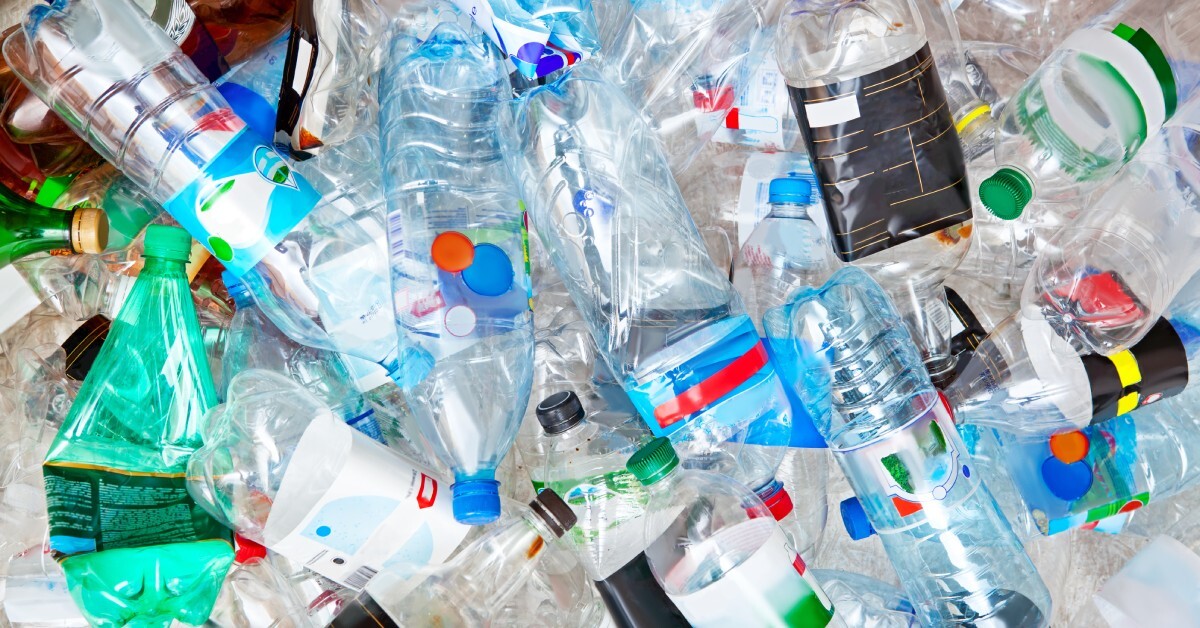
PET and HDPE plastics, which include items like beverage bottles, milk jugs, detergent containers, and cleaning supply bottles, are excellent candidates for baling. These materials are common in restaurants, offices, manufacturing facilities, and the hospitality sector. They are lightweight yet bulky, so baling them makes storage and transportation much more efficient.
Before you bale plastic containers, it’s a good idea to rinse them out to avoid contamination, odors, and pests. Taking this small step helps preserve the recyclability of plastics, ensuring that more material gets reclaimed and reused rather than diverted to landfills.
Aluminum Cans
Aluminum cans are a high-value recyclable material, and baling them is an excellent way to manage this waste stream. Event venues, restaurants, and hospitality businesses often generate large volumes of used beverage cans (UBCs). Baling saves significant storage space and prevents loose cans from scattering and creating a mess.
Moreover, recycling aluminum requires far less energy than producing new metal from raw ore, which means baling these cans can significantly improve your company’s eco-footprint. For the best results, separate aluminum cans from other recyclables to produce clean, high-quality bales that command a higher market value.
Steel and Tin Cans
Vertical balers can also handle steel and tin cans, which are common in food production facilities, commercial kitchens, and catering businesses. These cans are denser and stronger than aluminum, so you'll want a baler with enough compression force to compact them effectively. Your machine’s specifications will tell you if it’s up to the task.
Baling is a great solution for facilities that generate a moderate amount of metal waste. Just as with other containers, you should rinse the cans and remove any paper labels before baling to increase their recycling value.
Textiles and Fabric Scraps
Textiles and fabrics are other examples of materials you can put in a vertical baler. Clothing manufacturers, upholstery shops, and donation centers can use balers to manage loose fabric, offcuts, and unsellable garments. This process keeps workspaces organized and can help control airborne fibers.
Additionally, baled textiles are much easier to transport for reuse or recycling. When you bail fabric, make sure the material is dry beforehand, as moisture can lead to mold and mildew. Also, try to remove foreign materials like large zippers or metal hardware that could damage the baler.
Foam and Packaging Materials
Lightweight and bulky materials like polystyrene sheets or expanded polystyrene (EPS) foam packaging can quickly clutter a workspace. Although some vertical balers can handle these materials, you should always check your machine’s specifications first to ensure compatibility.
Foam baling is especially useful for e-commerce businesses, furniture stores, and electronics retailers that generate large volumes of protective packaging. However, because foam recycling facilities aren’t available everywhere, be sure to check local recycling guidelines before you begin baling.
Specialty and Industrial Materials
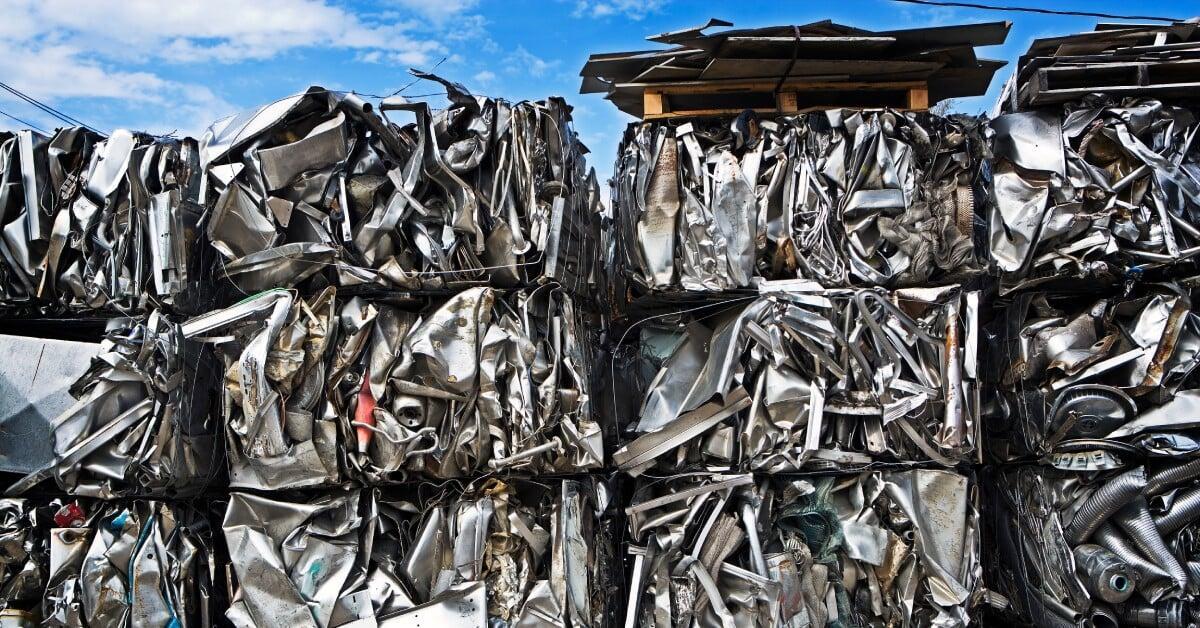
Some industries use vertical balers for more specialized materials. With the right machine and safety protocols, you can bale items like:
- E-waste components (e.g., plastic casings, wiring looms)
- Light non-ferrous metals (e.g., copper wire, brass fittings)
- Heavy metals (e.g., lead, mercury components)
You should only bale these materials if they are non-hazardous and permitted by your local recycling standards. Always follow safety regulations and consult recycling partners as needed to ensure proper disposal.
Safety and Material Limitations
Remember that not everything can or should go into a baler since certain items can damage the machine, create safety hazards, or contaminate your recyclables. For example, you should never attempt to bale hazardous waste, glass, batteries, aerosol cans, or food waste.
Always follow the manufacturer’s guidelines for acceptable vertical baler materials and density settings. Proper sorting and preparation are the best ways to protect your equipment, keep your employees safe, and produce high-quality, valuable recyclables.
Buy Quality Balers
Turn your recyclables into savings with a dependable baling solution. PackSmart offers durable, space-saving vertical balers designed for every industry. With the right approach, managing recyclables becomes simple, efficient, and rewarding. Take the first step toward a cleaner, more organized workspace today.