
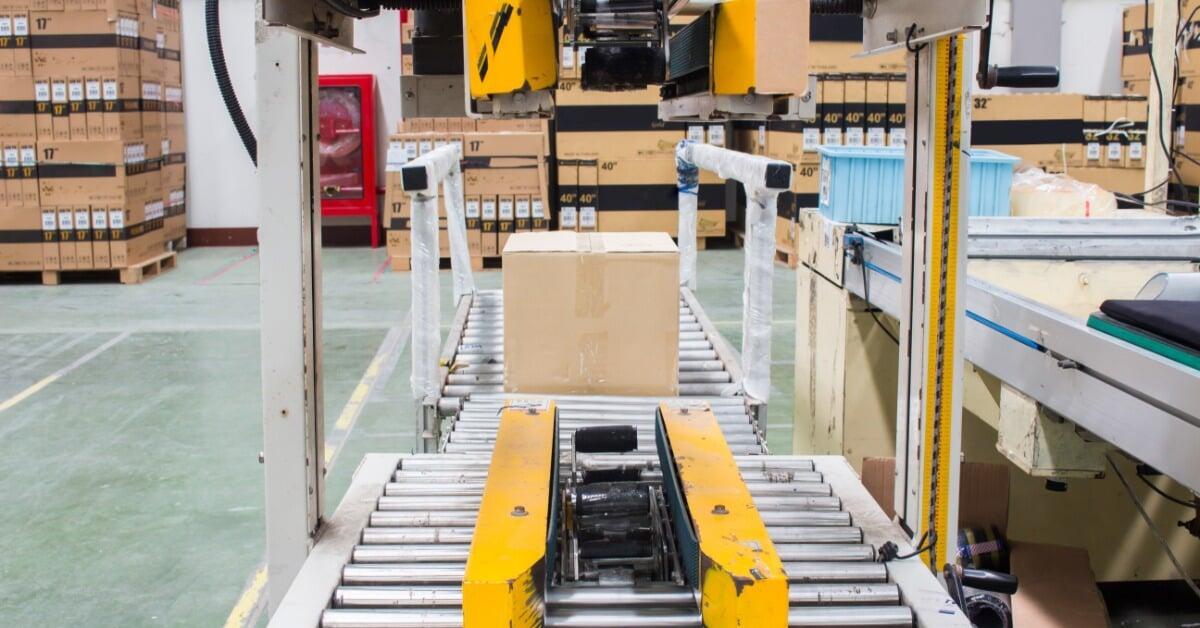
Strapping helps keep products secure as they move through packing, storage, and shipping. When loads shift or come loose, teams face delays, damaged goods, and added rework that slows the entire operation. Reliable equipment helps prevent these issues by consistently applying tension and ensuring secure seals on every package. This guide explains the primary components of a strapping machine.
Key Components of a Strapping Machine
Strapping plays a critical role in keeping products secure during handling, storage, and transit. Operations rely on consistent performance to avoid shifting loads, damaged goods, and unnecessary rework. A strapping system achieves that consistency by combining several mechanical and control-based elements that work together in a repeatable cycle. The parts generally include:
- Strap dispenser (coil holder)
- Strap feed system
- Tensioning mechanism
- Sealing unit
- Cutting mechanism
- Control panel or interface
- Arch or frame (automatic systems)
- Compression plate (optional)
Each component plays a role in maintaining a steady workflow and ensuring every strap performs as expected. Below, we’ve gone into detail on each area and how it works.
Strap Dispenser (Coil Holder)
The strap dispenser holds and organizes the strapping material before it enters the machine. It keeps the coil stable and positioned so the strap feeds smoothly without twisting or tangling. This steady feed allows operators to run continuous cycles and maintain a consistent workflow.
When the dispenser does not support smooth feeding, it can create unnecessary interruptions. Tangled straps or inconsistent movement forces operators to stop and correct the issue, which slows production. A reliable dispenser helps prevent these disruptions and keeps operations moving efficiently, especially in high-volume environments.
Strap Feed System
The strap feed system moves the material through the machine and around the package. It controls how quickly and accurately the strap travels during each cycle, directly affecting speed and consistency. In automated systems, the feed process requires minimal operator input, improving repeatability.
When the feed system struggles, the entire process becomes less efficient. For instance, misfeeds or jams can stop production and create uneven strap placement. A consistent feed system keeps cycles moving smoothly and ensures each package receives the same level of security.
Tensioning Mechanism
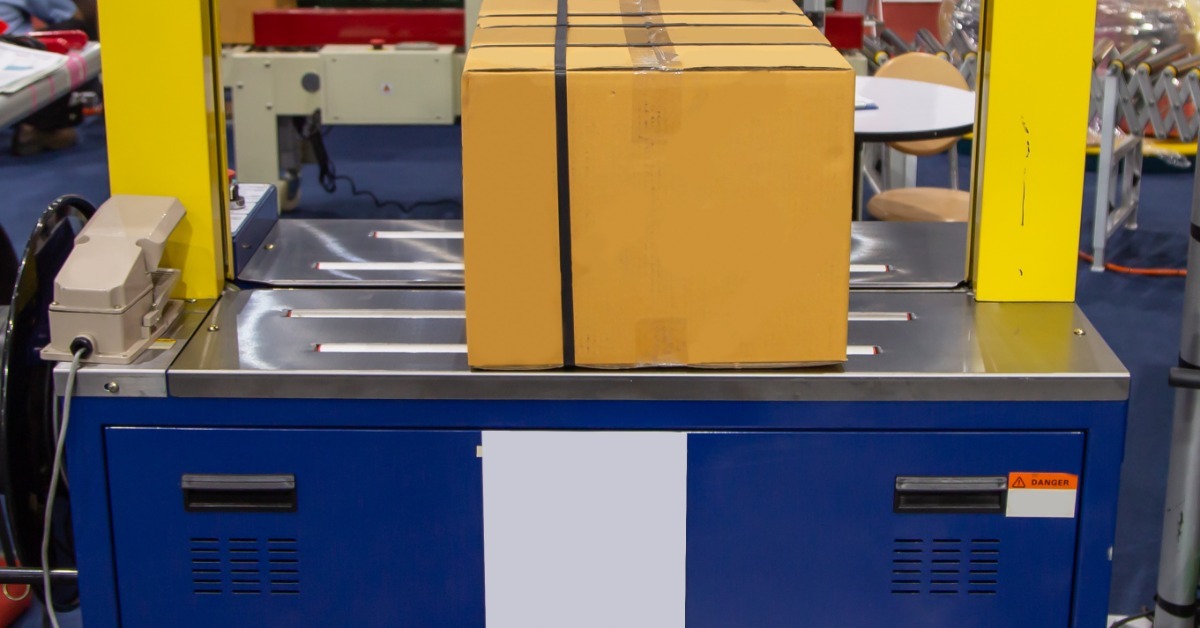
The tensioning mechanism controls how tightly the strap applies to the load. Proper tension keeps products stable without causing damage, which makes this component essential for balancing security and protection. Different products require different levels of tension, so adjustability is key.
Operations that handle a range of package sizes and weights rely on consistent tension settings. If the tension runs too high, it can crush or deform items. On the other hand, if tension runs too low, loads can shift during transit. Reliable tension ensures every strap performs as intended across a range of applications.
Sealing Unit
The sealing unit bonds the ends of the strap together to secure the load. Depending on the system, this process may use heat sealing, friction welding, or mechanical seals. Regardless of the method, the seal must hold under pressure and movement.
Inconsistent sealing leads to weak connections and potential strap failure. When that happens, teams must rework packages or risk damaged shipments. Strong, repeatable seals improve confidence in load stability and reduce the need for corrective action.
Cutting Mechanism
The cutting mechanism trims the strap immediately after the machine completes the seal, finishing the cycle and preparing the strapping machine for the next package. A clean, precise cut ensures the strap sits properly against the load without excess material extending beyond the seal. This helps maintain consistency across packages and keeps the process moving without interruption.
When the cutting mechanism loses precision, it can leave frayed edges or uneven strap lengths. These inconsistencies can interfere with downstream processing, especially in automated or high-volume environments where uniformity is critical. A reliable cutting system helps maintain cycle speed, reduces the need for manual correction, and supports a smoother overall workflow.
Control Panel / Interface
The control panel allows operators to adjust key settings like tension and cycle timing, which directly affect how each strap performs. When these settings remain consistent, packages move through the line with the same level of securement, reducing variation between loads. This level of control becomes especially important in operations that handle different product sizes or weights throughout the day.
If operators struggle to understand or adjust these settings, small inconsistencies can accumulate. One shift may apply slightly different tension than another, leading to uneven results across the same run. A clear and intuitive interface helps operators make accurate adjustments quickly, keeping the process consistent without slowing production.
Arch or Frame (Automatic Machines)
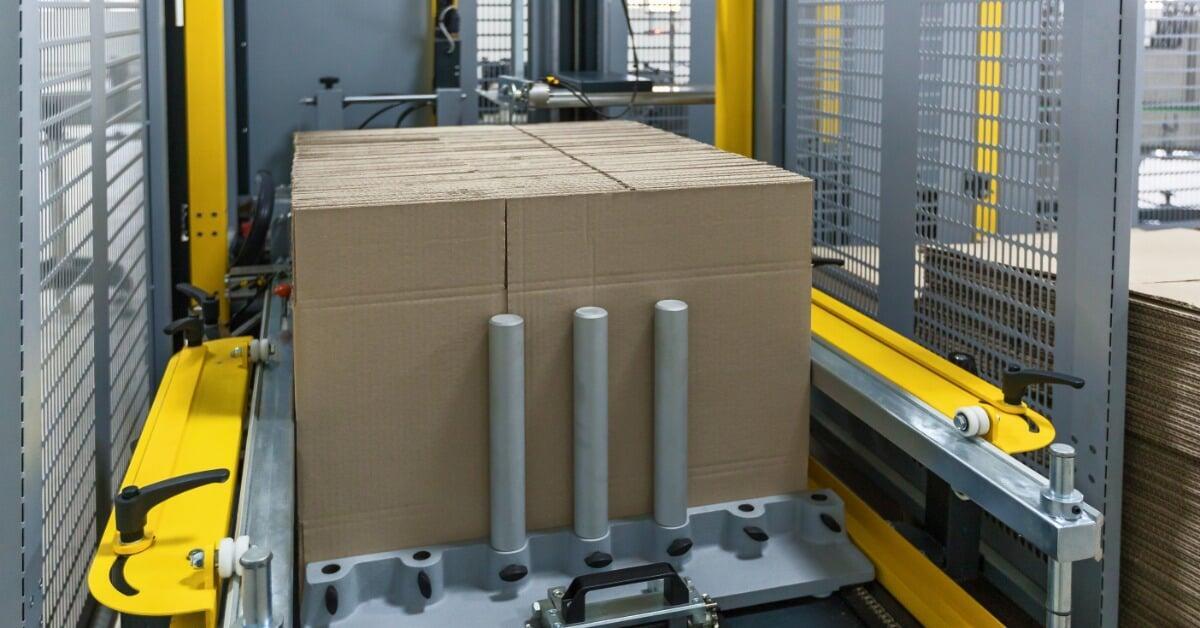
The arch or frame is another key component of a strapping machine since it guides the strap around the package during the strapping cycle. Automatic machines rely on this structure to position the strap quickly and consistently without manual placement. This setup supports higher speeds and more uniform results.
In high-volume operations, the arch helps reduce handling time and improve throughput. It ensures that each strap follows the same path, which improves consistency across all packages. This becomes especially valuable when running uniform cartons, where consistent strap placement supports stable stacking and more predictable load handling downstream.
Compression Plate (Optional Feature)
A compression plate applies downward pressure to stabilize the load during strapping. It helps hold items in place, especially when dealing with lightweight, uneven, or compressible products. Reducing movement allows the strap to secure the load more effectively.
Not every operation requires this feature, but it can add value in specific situations. When products shift easily or do not stack evenly, compression improves overall stability. This added control can lead to better results and fewer issues during transport.
Tips for Buying a Strapping Machine
Understanding the areas of a strapping machine makes it easier to evaluate your options and choose the right equipment. As you shop, you should also consider the following:
- Match the machine to your production volume: High-volume operations benefit from automatic systems, while lower-volume environments often perform well with manual or semi-automatic equipment.
- Consider material type and load requirements: Strap type, product weight, and load stability all influence machine performance.
- Look for ease of use and service support: Simple controls help operators work efficiently and reduce errors.
When these considerations line up with your day-to-day operations, the entire process becomes easier to manage. Teams can work more efficiently with fewer interruptions and less manual correction. That consistency makes a noticeable difference in both output and overall workflow stability.
Order Quality Strapping Machines for Reliable Performance
Consistent strapping depends on more than just one feature. Each component must work together to support smooth operation, secure loads, and reduce interruptions across the packaging line.
PackSmart works with operations to evaluate their process and recommend equipment that fits their specific needs. The right strapping machine can make a measurable difference in both efficiency and consistency. When equipment aligns with your workflow, teams can maintain productivity without constant adjustments or rework.