
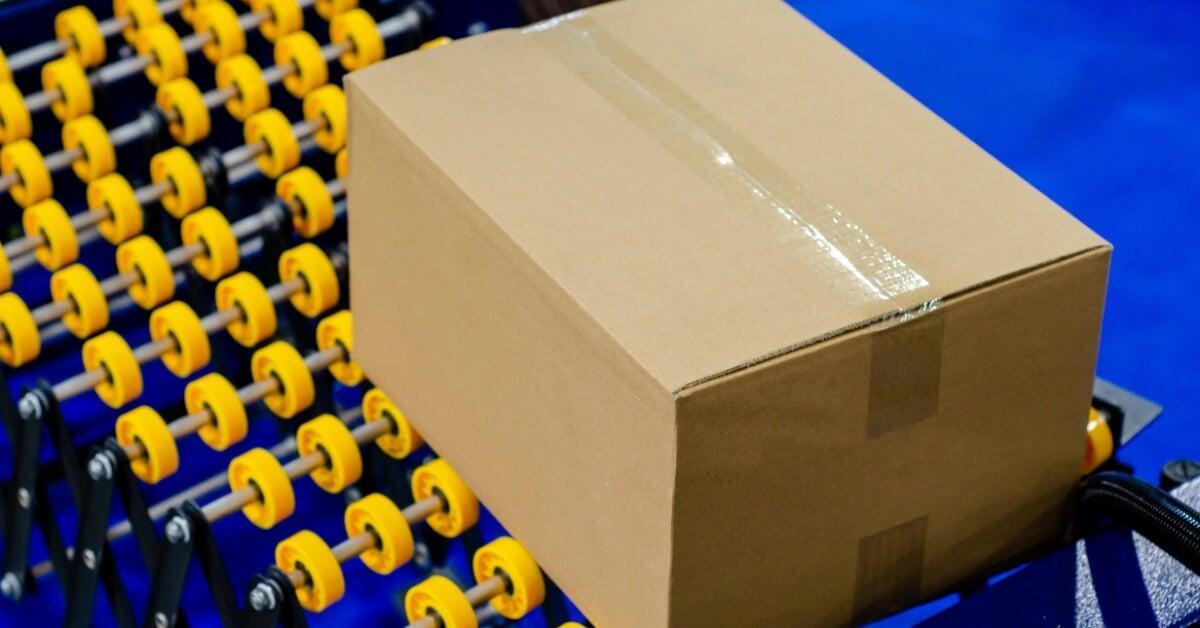
A sealed box can look finished even when the sealing step creates problems behind the scenes. If the tape misses the seam, workers stop to fix it. If the line slows at this stage, packed cases start to pile up before shipping. Those small issues can quickly affect pace and package quality. Below, we’ve explained what a carton sealer actually does on your line.
It Creates a More Consistent Box Closure
Consistent closure starts before the tape touches the box. Case-sealing equipment guides each case through the same motion, helping the top flaps meet more evenly at the center seam. This matters during busy shifts because hand-closing often changes with pace. When workers rush to keep orders moving, the flaps may not sit flat enough for a clean seal.
A more repeatable closure gives the tape a better surface to contact. Instead of drifting off-center or covering an uneven seam, the tape can bond where the case needs it most. That consistency helps finished cases move forward with fewer corrections before they leave the packing area.
It Applies Tape With Better Control
Tape placement affects both the look and strength of the finished case. Case-sealing equipment sends tape along a consistent path, helping it stay centered over the main seam with steady contact. This gives each box a cleaner finish and helps the seal hold more predictably as the package moves through the line.
Manual taping can become less precise when the pace picks up. A worker may use too much tape to feel confident in the seal, or they may press too lightly while trying to keep up. When the equipment controls this step, the team spends less time correcting seals and more time keeping packed cases moving forward.
It Reduces Repetitive Manual Work
Carton sealers also benefit your line by optimizing machine workflows. Taping boxes by hand slows the line because it requires the same motion on every box, often for an entire shift.
However, case-sealing equipment takes over that repetitive step, giving operators more room to manage the process around them. Workers still play an important role, but they no longer have to spend most of their time pulling, placing, and pressing tape by hand.
It Helps Prevent End-of-Line Backups
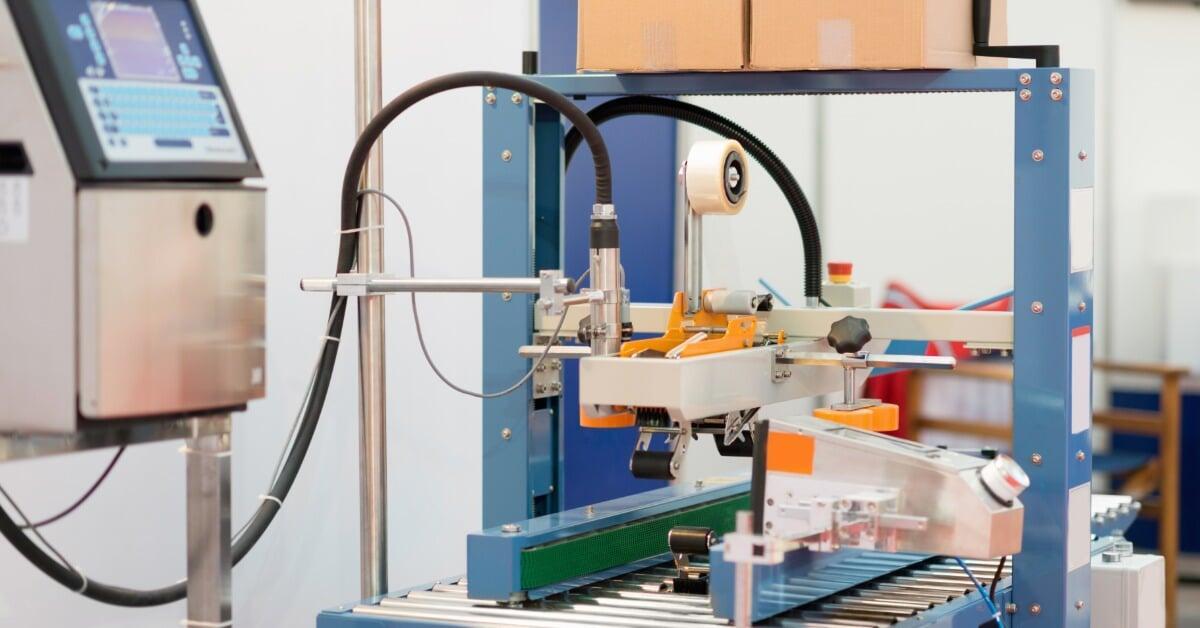
The sealing step often sits near the end of the packaging line, so any slowdown there can affect everything that comes before it. When packed boxes reach that point faster than workers can seal them, cases begin to collect and the team has to work under more pressure. That rushed pace can make sealing less consistent right when the line needs more control.
A steadier sealing process helps each finished case move forward without sitting too long after packing. This keeps the end of the line more organized and gives workers a clearer path around the area. Instead of stopping to manage piles of finished boxes, the team can keep attention on product flow and package quality.
It Supports a More Predictable Throughput
Throughput becomes easier to manage when the sealing step can keep pace with the boxes coming off the packing line. If workers seal by hand, the line may move quickly during lighter periods and slow down when orders stack up. That uneven pace makes it harder for managers to plan labor, schedule shipments, or understand where delays start.
A quality carton sealer helps create a steadier rhythm because each box moves through the sealing step more consistently. This gives managers a clearer view of how the line performs under normal conditions. It also makes it easier to spot problems outside the sealing area, such as packing delays or box setup issues, because sealing no longer creates as much variation in the process.
It Improves Package Appearance
A clean seal gives the finished case a more professional look. Straight tape indicates the package underwent a controlled process. That matters when boxes go to customers, retailers, or other facilities that judge quality before they even open the package.
Appearance also connects to practical workflow. A messy seal may cause someone to stop and check whether the box needs attention. When many boxes look different from one another, workers may spend more time deciding what needs correction.
Why It Matters
Consistent sealing helps finished packages look more uniform as they leave the line, giving the team a cleaner final result with less visual variation.
It Helps Protect the Shipment
Once a carton leaves the packing area, the seal must withstand every normal handling step that follows. A case may move through the facility, be stacked for shipment, and pass through additional touchpoints before it reaches its destination. When the seal fails prematurely, the package can open before the product reaches its destination.
A consistent seal works best when the rest of the package supports it. The carton should fit the product, and the inside of the box should keep the item from shifting too much. Sealing cannot fix a weak box or poor packing method, but it helps hold the package together when the surrounding structure works as it should.
For that reason, teams should view sealing as one part of the broader protection plan. The box provides the structure, while the tape needs steady contact across the seam. When those pieces work together, the shipment has a better chance of reaching the next stop in good condition.
Signs Your Line May Need Better Sealing Support
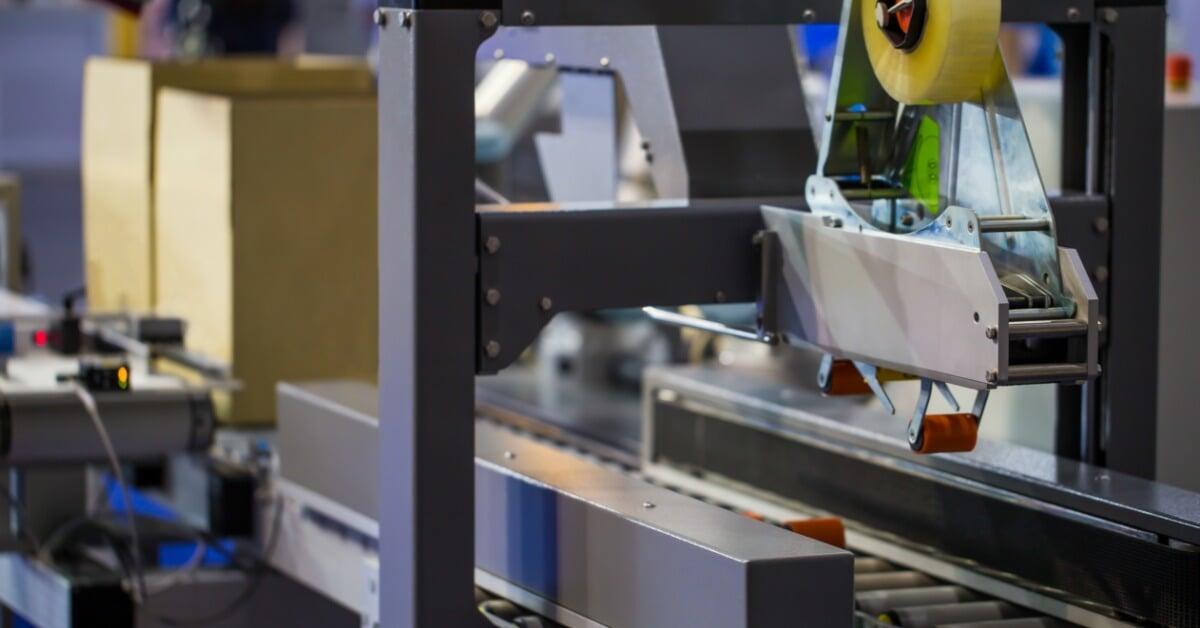
As volume grows, hand taping often becomes harder to manage. Small issues start to show up more often, and workers may spend too much time fixing packages rather than moving them forward. The clearest signs usually include the following:
- Workers retape boxes before they leave the packing area
- Workers struggle to keep up during busy periods
- Tape placement changes from shift to shift
- Finished cases back up near the end of the line
- Packages leave the line with uneven seals
These issues do not always call for a major process change. In many cases, they show that the sealing step no longer keeps pace with the operation. By reviewing that area first, managers can see whether equipment support would help the line move more smoothly.
Build a Stronger End-of-Line Process
PackSmart helps operations look at those details so the solution fits the way the line runs. Sealing may happen near the end of the line, but it can affect the entire packing process. When the step runs smoothly, boxes move forward with less rework and a more consistent finish. When it falls behind, the line can feel slower even if the earlier steps work well.