
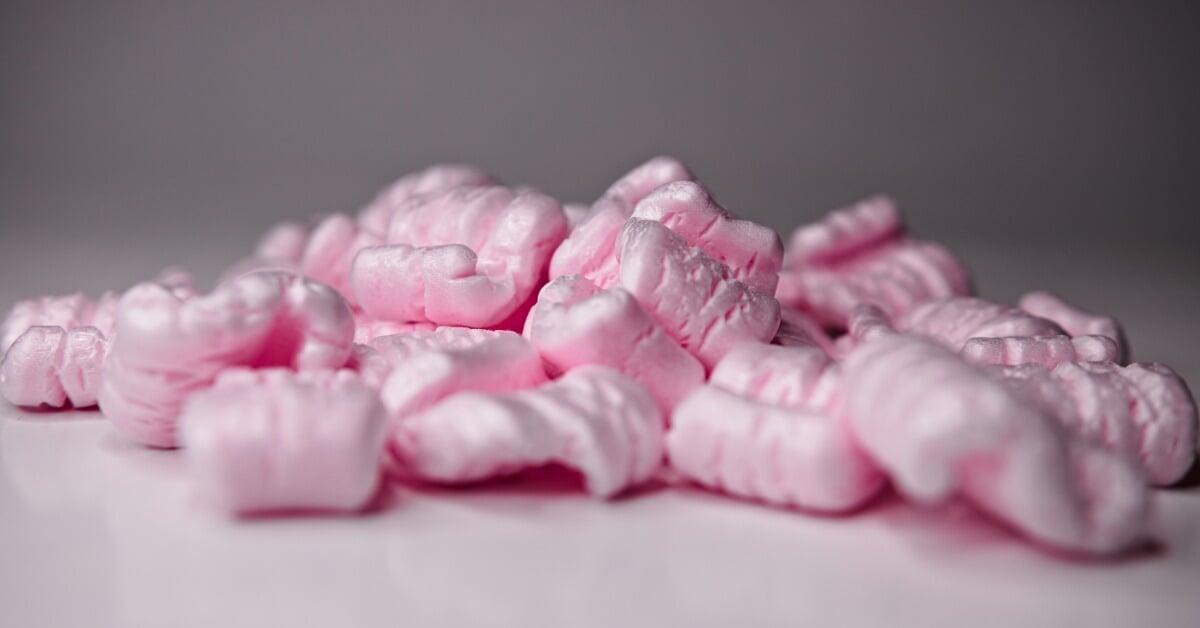
Shipping damage rarely comes down to one major mistake. Most issues come from small gaps, poor material choices, or inconsistent packing methods that allow products to shift in transit.
When items move inside a box, they absorb impact directly instead of relying on protective materials. That movement leads to dents, scratches, and broken components long before the shipment reaches its destination. This guide explains how to use void fill correctly to prevent damage.
Understand How Movement Causes Damage
Products do not get damaged simply because they travel. They get damaged because they move within the packaging. Every drop, vibration, or sudden stop during transit sends energy through the box, and that energy follows the path of least resistance.
If the product slides or bounces inside the box, it absorbs that force directly rather than letting the packaging materials absorb the impact. Even small, repeated shifts can wear down corners, weaken components, or create stress points that lead to breakage by the time the shipment arrives.
A properly packed box removes that movement before it becomes a problem. Void fill works by filling gaps and distributing pressure evenly, keeping the product in place on all sides. When the material supports the item correctly, it absorbs shock, limits shifting, and maintains stability throughout transit.
Choose the Right Material for the Job
Not all void fill materials perform the same under pressure. Lightweight items may only need basic cushioning, while heavier products require stronger support that will not collapse during transit. Selecting the wrong material creates weak points that lead to product movement.
Paper-based systems provide structure and compression resistance, which makes them ideal for heavier or irregularly shaped items. Air pillows work well for lighter products but may fail under concentrated weight. Matching the material to the product ensures the void fill performs as intended, rather than breaking down mid-shipment.
Fill Every Gap With Purpose

Space inside a box creates opportunities for movement. Even small gaps allow products to shift repeatedly during shipping, especially along the sides or in the corners, where items tend to drift first. As the box moves through conveyors, trucks, and handling points, those small shifts turn into repeated impacts that wear down the product. Over time, that movement adds up and causes damage your team could have prevented.
Packing teams should treat every open area as a risk point, not just the obvious empty space on top. Corners, sidewalls, and gaps between items need to be tightly filled to stop lateral movement and keep the product from rotating or sliding. Instead of loosely placing material on top, teams should layer void fill underneath, around the sides, and across the top to fully immobilize the item.
Balance Cushioning and Support
Void fill needs to absorb shock while keeping the product in place throughout handling and transit. Too much soft material can compress underweight and allow movement, especially during stacking or sudden stops. On the other hand, overly rigid packing can transfer impact directly to the product rather than dissipate it.
A balanced approach combines cushioning with structure to control both movement and impact. A dense base layer supports the product’s weight and prevents shifting from below, while softer materials along the sides and top absorb shock from drops and vibration. This setup helps maintain product position, reduces repeated impact, and avoids pressure points that can cause damage over time.
Separate Multiple Items to Prevent Contact
Shipping multiple items in the same box increases the risk of damage. When products come into contact, they can collide during transit, causing surface damage or breakage. Even durable items can scratch or dent when they shift against each other.
Void fill should act as a barrier between items. Each product needs its own space with enough material to prevent contact. This approach keeps items stable and eliminates the risk of product-to-product impact during handling and transport.
Pay Attention to Weight Distribution
When using void fill to prevent damage, you should also evaluate the weight distribution of the items inside the package. Heavier items can crush lighter materials, reducing their ability to protect the product during transit. Uneven weight distribution can also cause the product to shift or tilt, which increases the risk of damage.
Packing teams should place heavier items at the bottom and reinforce that area with stronger materials that hold their shape under pressure. Lighter cushioning should protect the top and sides, absorbing impact without collapsing. This layered approach maintains stability, keeps the product positioned correctly, and prevents the structure from breaking down during shipping.
Standardize Your Packing Process
Inconsistent packing leads to inconsistent results. When different team members use different amounts or types of void fill, damage rates tend to increase. A standardized process ensures every package meets the same level of protection.
Clear guidelines help teams understand how much material to use, where to place it, and how to secure each product type. Training and visual references can reinforce these standards and reduce guesswork on the packing line. Some tasks to do to standardize your process include the following:
- Define material types for specific product categories
- Set clear guidelines for fill levels and placement
- Train staff on consistent packing techniques
- Audit packaging quality regularly
- Adjust processes based on damage trends
Test and Refine Your Packaging Setup
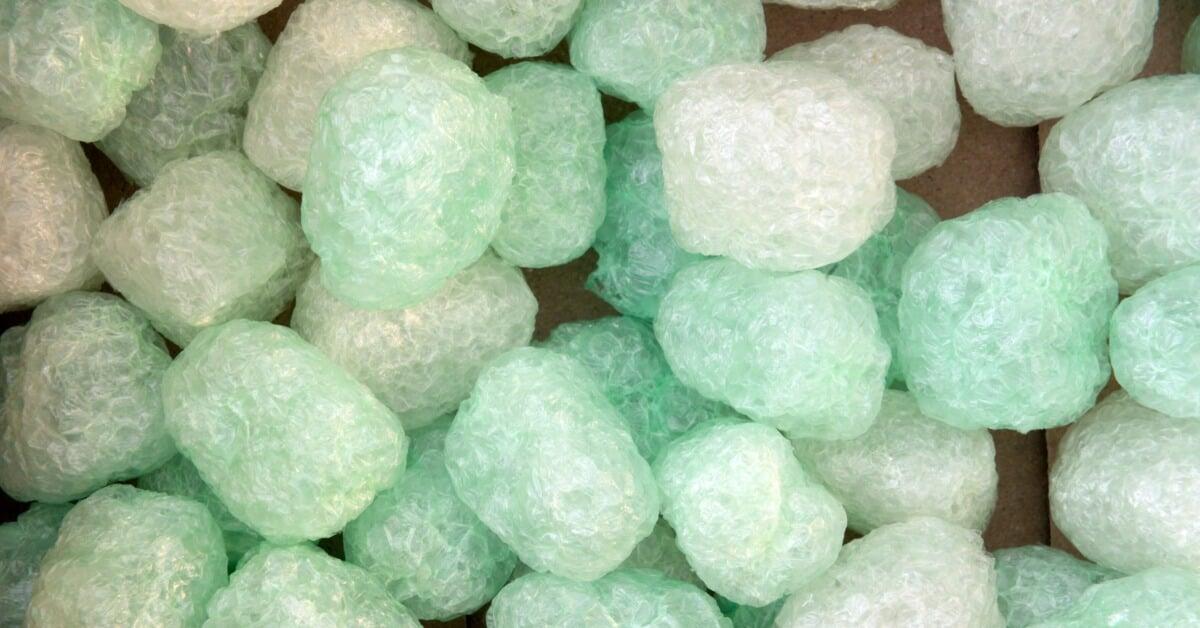
Even well-designed packaging systems still need validation because real shipping conditions introduce variables that packing lines cannot fully predict. Assumptions about protection often fall short once packages face drops, vibration, and repeated handling. Testing helps teams identify weak points that may not appear during day-to-day packing.
Drop tests and vibration simulations show exactly how products respond in transit and where movement or failure occurs. Teams can then adjust material selection, placement, and packing methods based on real performance instead of guesswork. Over time, this process builds a more reliable and repeatable packaging system.
Combine Materials When Needed
Some products require more than one type of protection to stay secure throughout transit. A single material often cannot provide both the structure needed to prevent movement and the cushioning required to absorb impact. Using multiple materials allows teams to address both risks without compromising performance.
For example, structured paper can lock a product in place and prevent shifting, while softer materials protect sensitive areas from shock and vibration. This layered approach strengthens overall protection, maintains product position, and improves consistency without adding unnecessary complexity to the packing process.
Build a More Reliable Packaging Process
Improving packaging results does not require a complete overhaul. PackSmart sells void fill packing machines that are perfect for warehouses and shipping companies.
Small adjustments in material selection, placement, and consistency can significantly reduce damage rates. When teams focus on eliminating movement and supporting the product from all sides, they create a more controlled shipping environment.