
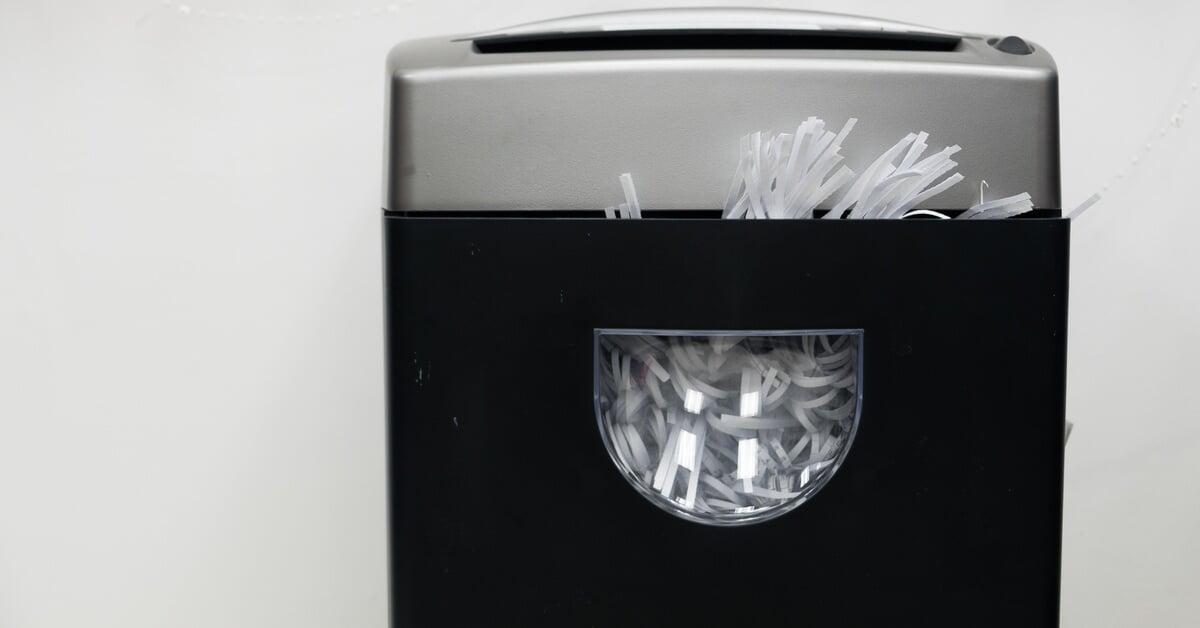
A shredder helps protect information after a document no longer serves its purpose. However, when a team chooses the wrong cut type or security level, sensitive paperwork may leave the building in pieces that still reveal too much. The right security level should match the risk associated with the paperwork, not just the machine's size or price. Expand your understanding of security levels in paper shredders.
Why Shredder Security Levels Matter
A shredder's security level tells you how thoroughly the machine destroys paper. Lower levels create larger pieces, while higher levels create smaller particles that make reconstruction much harder. This matters because not every document carries the same risk. A printed lunch schedule does not need the same protection as a form with customer account information.
Many teams focus first on sheet capacity or machine size. Those details matter, but they do not answer the main security question. Before choosing a shredder, a business should consider the types of information employees handle and the risk that information poses once the document leaves daily use. That context makes it easier to choose a security level that fits the work, rather than guessing based on machine features alone.
How Security Levels Work
When understanding security levels in paper shredders, it's important to know how security levels work. Most paper shredder security ratings follow the DIN 66399 standard. This system groups shredders by how small they cut paper after the machine processes it. A lower rating usually means larger strips or pieces. A higher rating means the shredder turns each sheet into much smaller particles.
For everyday buyers, the exact measurement can feel too technical. The practical idea matters more. As the security level increases, the shredded paper becomes harder to read and harder to piece back together.
Below, we’ve described the different security levels to help you determine what you need.
Low-Security Shredding
Low-security shredders usually create long strips instead of small particles, which can work for paperwork that does not include sensitive details. This style may fit basic disposal needs when the goal is to reduce paper volume rather than protect private information.
The main limitation is that strip-cut pieces can still show readable parts of a document. That makes low-security shredding a poor fit for customer records or internal paperwork with private details. For those documents, a cross-cut or micro-cut shredder gives the business a safer way to dispose of paper.
Medium-Security Shredding

Medium-security shredders give many workplaces a practical middle ground. These machines often use a cross-cut style that slices paper into smaller pieces instead of long strips. The result provides better protection without significantly slowing daily work.
Generally, a medium level makes sense for routine business paperwork that includes some internal information. It may also fit teams that shred records throughout the week rather than in large batches. The key is balance. A medium-security machine should protect information while keeping pace with the workplace.
High-Security Shredding
High-security shredders cut documents into much smaller particles than low or medium-level shredding. These machines help protect paperwork that includes financial details or private employee information. They also make sense when a business handles documents that create a higher risk if someone sees them after disposal.
A higher security level can change how the machine performs. Smaller particles can fill a bin differently, and some machines may process paper more slowly. High-security shredding can be the right choice when the documents warrant it, but the machine still needs to keep up with how the team works. Match the security level to the paperwork's sensitivity and the amount of paper employees need to shred.
Match the Level to the Type of Document
A good shredder choice starts with the documents your team handles most often. Paperwork with little or no sensitive information may require only basic disposal, while documents containing customer details or employee records require stronger protection.
Many businesses move too quickly at this stage and choose based on either the highest rating or the lowest cost. That can lead to a shredder that feels excessive for daily use or one that does not protect the paperwork enough. A better approach connects the security level to the actual documents, so the machine supports the work without adding unnecessary friction.
Think About Cut Type and Workflow
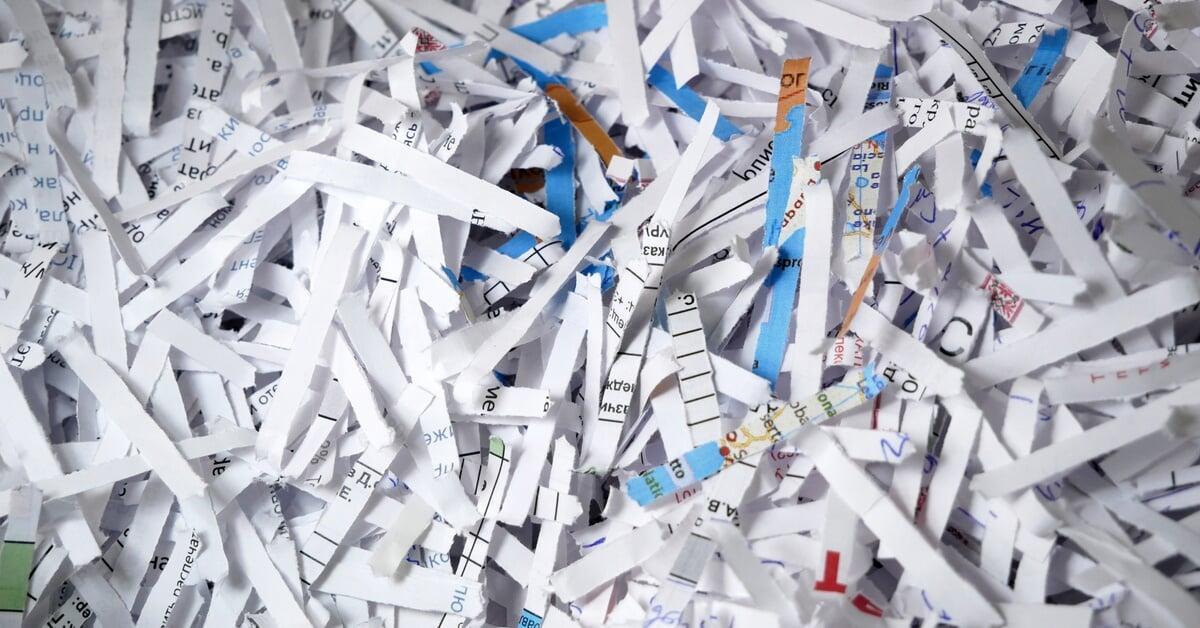
Cut type affects both security and day-to-day use. Strip-cut machines may move through paper quickly, but they leave longer pieces that can still show readable information. Cross-cut machines offer stronger protection for routine business documents without making shredding feel overly complicated.
Micro-cut machines create smaller particles for documents with greater privacy concerns. They can be a better fit when the paperwork carries greater risk, but they may require more attention to bin capacity and runtime. The best choice should match how often employees use the shredder and how much protection the documents need.
How To Choose the Right Paper Shredder
Choosing the right industrial paper shredder starts with the way your team handles documents each day. Security level matters, but it should not drive the decision by itself. A good shredder also needs to fit the volume of paper your team processes and the information those documents contain.
Start With the Sensitivity of the Documents
Start by separating low-risk paperwork from documents that could cause problems if someone read them after disposal. Low-risk paperwork may include outdated internal notices or duplicate printouts that do not show private details. Those documents may not need the smallest cut size.
Documents containing names, account details, signatures, or employee information require a higher level of shredding. Larger strips can leave parts of those details visible, which defeats the purpose of shredding in the first place. A finer cut helps reduce that risk while giving the business a clearer reason for choosing a higher security level.
Match the Machine to Daily Use
A machine used by one person in a small office will not face the same demand as a shared shredder in a busy operation. If employees need to shred documents often, the machine should handle that use without frequent stops.
Capacity can affect whether the team uses the shredder consistently. A machine that jams or fills too quickly may lead employees to leave documents for later. The right fit should make secure disposal feel like a normal part of the workday.
Consider Support After Purchase
A paper shredder still needs proper care to remain reliable. Cutters can wear down over time, and heavy use can cause performance issues if the machine is not properly maintained. Before choosing a shredder, it helps to know who can help with service or replacement guidance when the equipment no longer works as expected.
This matters more for businesses that depend on equipment throughout the day. Strong support can help reduce downtime and keep document disposal on track. It also gives managers more confidence that the machine will continue to fit the operation after the initial purchase.
Get Your Shredder
Paper shredder security levels help businesses choose a machine with more confidence. PackSmart can help businesses compare shredder options based on how the equipment will function in the workplace. A strong choice also considers workflow, shred volume, and the type of paperwork employees handle every day.