
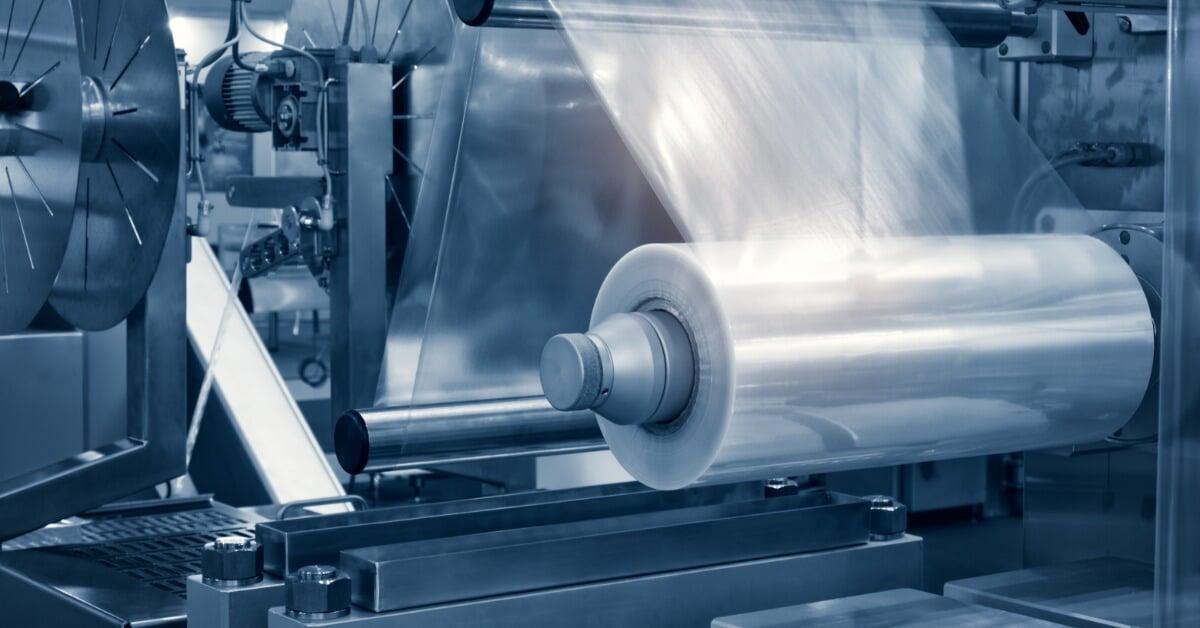
Choosing a bagging machine seems easy until production slows, bags fail, or labor costs spike. Product type, bag style, and output goals push equipment choices in different directions. A clear view of how each system operates supports stronger buying decisions and helps avoid costly mismatches. The following breakdown outlines the different types of bagging machines, so you can buy the right one.
Vertical Form Fill Seal Machines (VFFS)
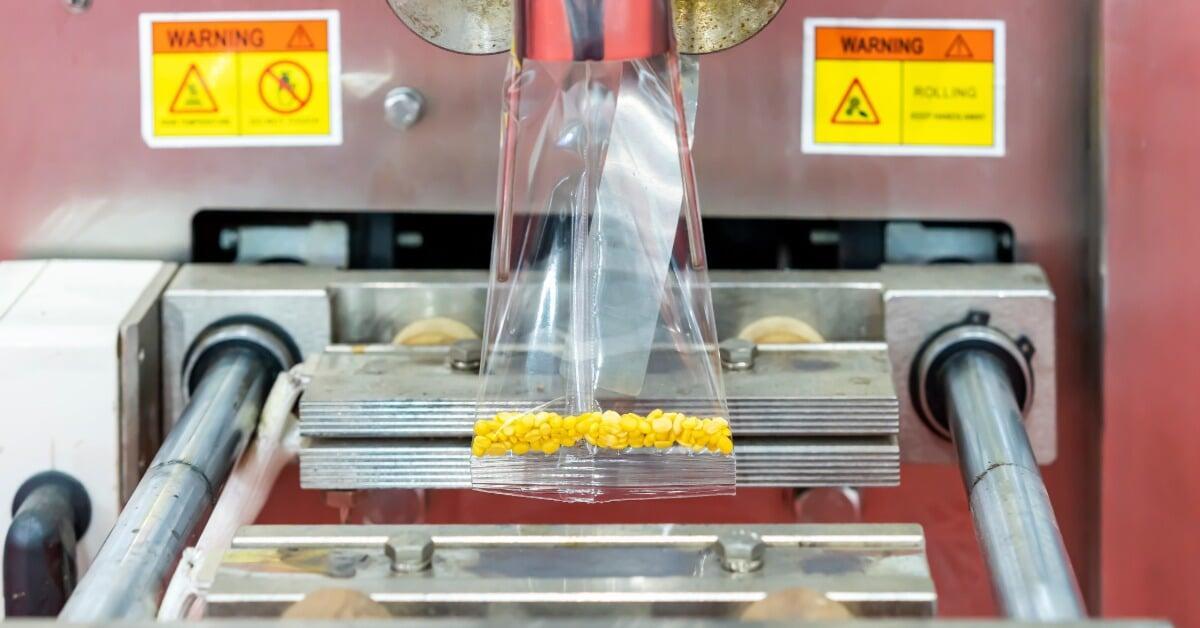
VFFS machines form bags from roll-fed film, drop product through a vertical tube, and seal the package in a continuous sequence. A forming collar shapes the film, vertical and horizontal seal jaws close the bag, and the cutter separates finished packs. This compact layout delivers high speed for its footprint and supports lines that require quick changeovers.
Powders, granules, and other free-flowing solids run especially well on VFFS machines because gravity helps fill the bag consistently. As a result, products such as snack foods, coffee, rice, and chemical granules frequently use this format, giving operators reliable seals and uniform presentation. Film options, such as simple polyethylene to high-barrier or recyclable materials, support product protection and sustainability goals.
Horizontal Form Fill Seal Machines (HFFS)
HFFS machines form a pouch horizontally, load the product from the side or top, and seal it with precise control. This layout is ideal for fragile or irregular items that need gentle handling, such as cookies, bars, medical devices, or hardware kits with multiple parts. In addition, conveyors and pick-and-place systems orient each product so the finished pack looks clean and consistent.
Manufacturers often select HFFS machines when product orientation, face-forward presentation, or tight seal control is important. By reducing drop height, the process protects sensitive edges, coatings, and shapes. HFFS also accommodates a variety of pouch formats—including pillow and stand-up pouches, zippered packs, and spouted options—which give brand teams strong shelf impact.
Open Mouth Bagging Machines
An open-mouth bagger is one of the many different types of bagging machines found in warehouses. Open-mouth baggers fill pre-made bags and then close them using sewing, heat sealing, or adhesive tape. Operators or automated pickers present the bag to the filling spout, and the machine meters product into the open top. Then a downstream closer stitches, heat-seals, or tapes the bag depending on material and shelf-life requirements.
Open-mouth systems handle a variety of bulk materials, including the following:
- Feed
- Seed
- Pellets
- Plastic resins
- Sugar
- Aggregates
Since the finished bag often looks neater than a form-fill-seal package, it can improve pallet presentation for customers. In addition, paper, woven polypropylene, and polyethylene gusseted bags all work with common open-mouth closers, allowing plants to run multiple SKUs without major retooling.
Valve Bagging Machines
Valve baggers fill specialized bags through a small valve opening near a corner or top seam. The filling spout meets with the valve, pushes product into the bag, and allows the valve to close under product pressure or via an internal flap. This design controls dust at the spout and lets operators stack bags without a secondary top seal.
Several types of fine powders benefit from valve filling, including the following:
- Cement
- Minerals
- Pigments
- Fly ash
Keep in mind that dense powders move efficiently with air or impeller packers, while auger packers give precise control for lighter, aerated materials. Most plants favor valve bags when speed, cleanliness, and pallet stability are more important than a retail-ready appearance.
Automatic Bagging Machines
Automatic bagging systems handle feeding, filling, sealing, and discharge with minimal operator input. Infeed conveyors, weighers, and sensors synchronize at each step, maintaining consistent throughput. Many lines also integrate vision checks, metal detection, and date coding, providing traceability and ensuring compliance without slowing production.
High-volume operations rely on automatic bagging equipment to control labor costs and stabilize output. A well-tuned machine runs long shifts with consistent weights and reliable seals that meet customer specifications and audit requirements. Maintenance teams benefit from the structured cycle, as built-in logs, alarms, and diagnostics make it easy to spot and resolve issues quickly.
Semi-Automatic Bagging Machines
Semi-automatic systems blend manual handling with powered functions. An operator presents the bag, initiates the fill cycle, and manages closure, while the machine controls weighment and sealing. This balance supports short runs, frequent changeovers, and operations that value flexibility over maximum speed.
Generally, plants choose semi-automatic machines when SKU variety, seasonal demand, or packaging trials shape daily production. The lower upfront cost allows teams to scale output without committing to a single format. Quick-change parts and smart fixtures reduce downtime, keeping small-batch runs efficient.
Net Weigh Bagging Machines
Net weigh systems measure the product to a target weight in a weigh hopper, then release the measured charge into the bag. This approach places the weighing step before the fill, which improves accuracy because the scale reads a stable load. Gravity, belt, screw, or vibratory feeders match the product’s flow properties for consistent results.
Industries that operate under tight weight tolerances, such as food ingredients, chemicals, seeds, and specialty minerals, often rely on net weigh systems to maintain control. Accurate fills protect margins, support label claims, and limit customer complaints tied to underweights or overfills.
Bulk Bag Filling Machines (FIBC Baggers)
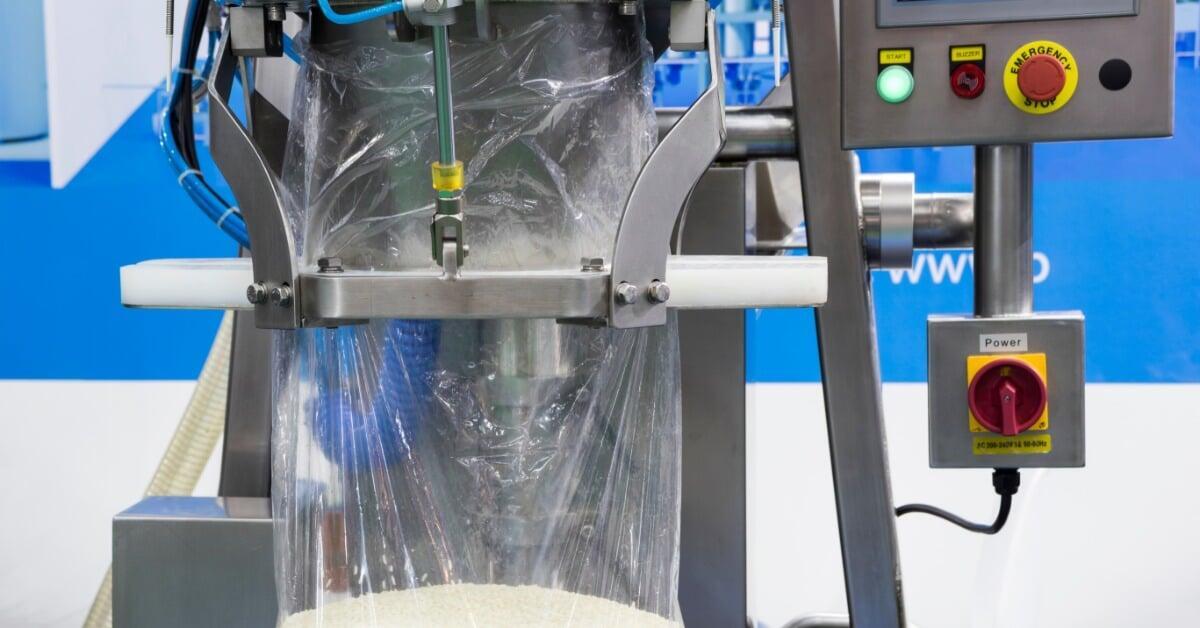
Bulk bag fillers handle super sacks used for commodities and heavy materials. The system supports the bag loops, seals the inlet with an inflatable spout or neck clamp, and controls the fill rate while a densification system settles the load. Once filled, palletizing stations or roller conveyors move the bag to staging.
Agriculture, construction, and chemical operations use FIBC systems to move large volumes with fewer handling steps. Moreover, options for liners, dust collection, and adjustable bag height support powders, granules, and flake materials. Consistent fill control and compaction improve load stability, which helps keep stacks secure in the warehouse and during transit.
Tips for Picking the Right Bagging Machine
Match the Machine to Your Product Type
Equipment choice depends on product characteristics such as flowability, particle size, dust levels, and fragility. For example, VFFS machines perform well with free-flowing materials, while HFFS protects delicate shapes from drops. Additionally, Valve baggers help control dust with a closed spout, and auger or impeller packers handle powders with consistent feed rates. Running trials with representative products gives the clearest picture of real-world performance.
Define Your Bag Style and Size Requirements
Bag style quickly narrows the field because machines are designed for pre-made bags, rollstock, valve bags, or bulk bags. Bag dimensions, gussets, and handles dictate how the machine forms and seals each pack. Heat sealing, sewing, and adhesive tape serve different materials and shelf-life needs, so it’s important to match the closure method to both the bag and product. If retail presentation matters, HFFS or pre-made open-mouth bags often provide the cleanest appearance.
Set Realistic Production and Labor Goals
Throughput requirements drive decisions such as frame size, sealing jaws, and automation level. High-speed, fully automatic systems suit large runs with stable staffing, while semi-automatic lines are better for frequent changeovers or small batches. Factors like shift length, sanitation windows, and packaging material availability also affect actual capacity. Planning realistically keeps cycle times accurate and budgets under control.
Order Your Machine
PackSmart is a packaging supplies and equipment distributor with over 40 years of industry experience, helping businesses streamline packaging operations. We offer materials, machinery, and custom solutions, including installation, repair, and maintenance, to reduce downtime and keep operations running efficiently. Explore solutions today to find the right packaging systems that save time, reduce costs, and keep your operations running smoothly.