
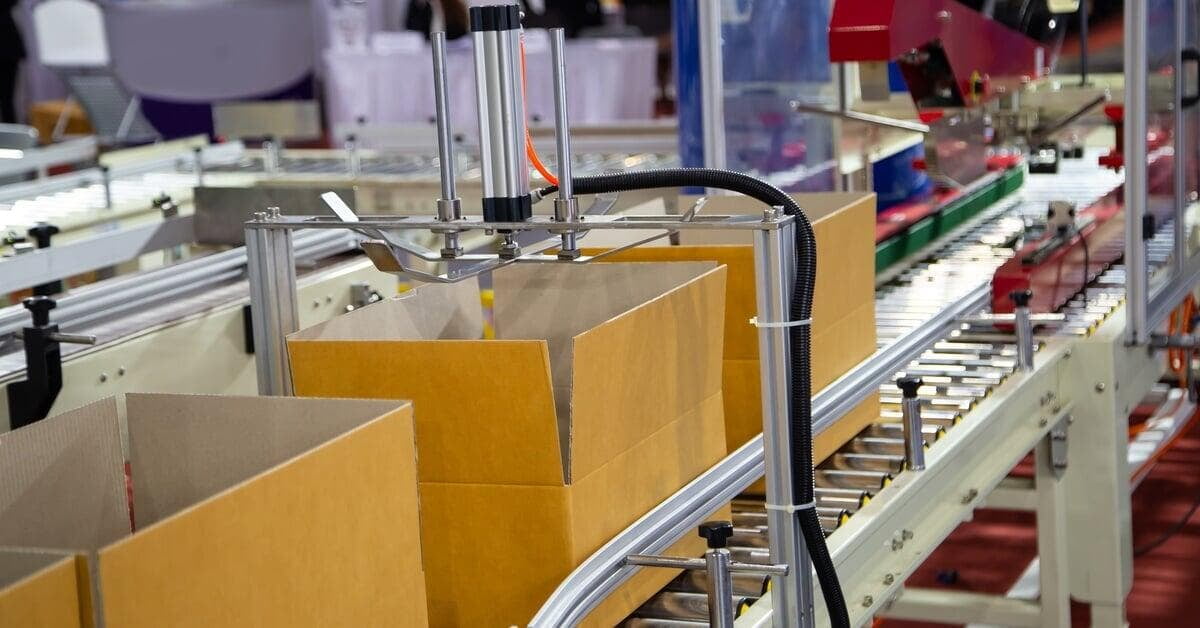
Many warehouses rely on manual packaging while daily order volume remains manageable. As demand increases, employees must repeat the same steps more often, which can slow production and create uneven results between packages. Automated equipment takes over repetitive tasks so the team can maintain a steady pace as the operation grows. This shift highlights the benefits of switching to automated packaging.
Faster Throughput Without Rushing Employees
Even skilled workers lose time when they repeat the same motion across hundreds of packages. Automated equipment takes over the most repetitive part of the task, which helps each package move forward at a steadier rate. The team can maintain output without asking employees to work at an unsustainable pace.
Higher throughput does not only matter during a seasonal spike. It also gives the operation more room to handle everyday changes in order volume. When the employees can process work at a predictable speed, upstream and downstream teams can plan around that pace.
More Consistent Results
Manual packaging results can vary from one employee to another. One person may apply more stretch film, while another may use less than the load requires. Automated equipment reduces that variation by following the same settings during every cycle. As a result, the operation can produce more uniform packages with fewer corrections.
Consistent results also give managers a clearer quality standard. They can set the machine for the application and compare each finished package against the expected result. When a problem appears, the team can review the settings instead of guessing which step changed. A defined process makes it easier to identify the cause and correct it before the issue continues.
Lower Material Use
Employees often add extra material when they want more confidence in the package. That habit may increase film or tape use without improving protection. Automated equipment applies a controlled amount during each cycle, which limits unnecessary consumption. Over time, better control can reduce supply costs without weakening the package.
Material savings also become easier to track once the process follows consistent settings. Managers can compare usage against production volume and spot changes that need attention. If the operation starts using more material per package, the team has a clear signal to review the process. This visibility supports better purchasing decisions and tighter cost control.
Less Repetitive Manual Work
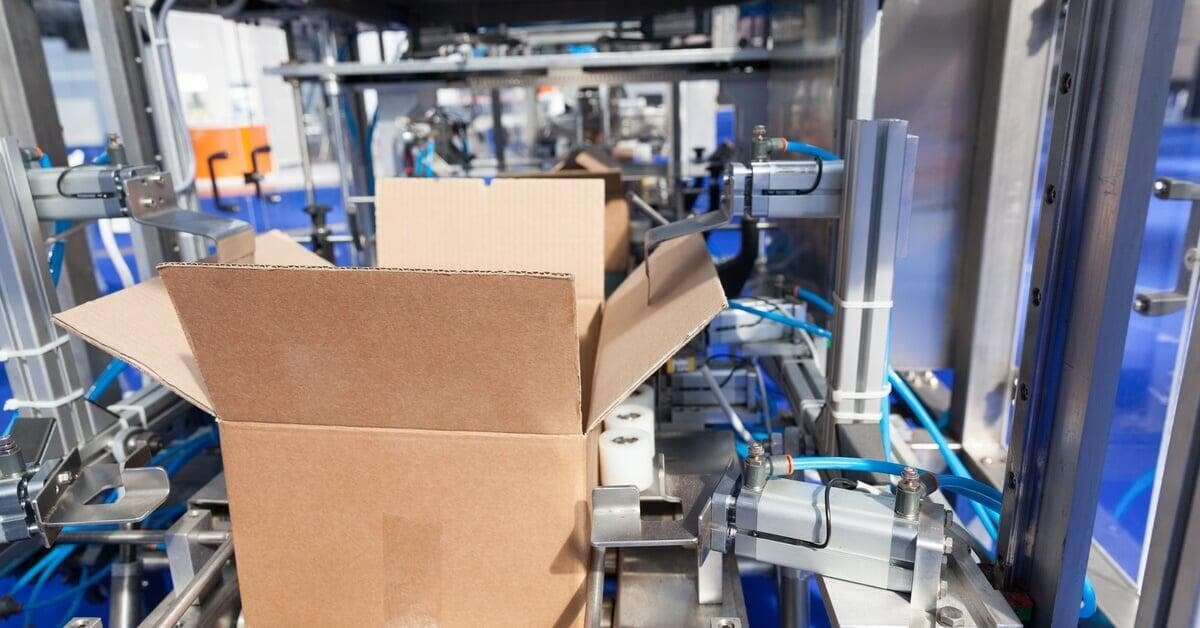
Many packaging tasks require employees to repeat the same motion throughout a shift. Frequent bending or reaching can increase physical strain and make it harder to maintain a steady pace later in the day. Automation reduces the number of repeated movements required at the station. Employees still guide the process, but they spend less time on the most demanding step.
Reducing repetitive work also gives managers more flexibility when assigning employees. Once the equipment handles the routine part of the process, employees can focus on tasks that require closer attention. Workers may monitor machine performance or step in when a package needs extra handling. A more flexible approach makes better use of the team while keeping employees involved in the process.
Fewer Errors
Manual work can produce uneven seals or incomplete wrapping when employees work quickly to keep up with volume. Since these issues do not always show up at the station, a package may move into storage or shipping before anyone catches the problem. Automated equipment reduces that risk by following the same programmed cycle each time. The team then has a more consistent result to review during quality checks.
Automation does not eliminate the need for inspection, but it allows employees to focus on issues that require closer attention. Instead of spending time correcting routine application errors, they can look for problems that may affect package performance. This gives the quality team more time to address concerns with greater consequences.
The following outcomes often become easier to maintain:
- Packages receive the intended amount of material
- Seals stay consistent from one package to the next
- Loads leave the station with fewer preventable defects
- Employees spend less time reworking completed packages
Better Use of Labor
Adding more employees can help a packaging line handle a temporary increase in volume, but it does not improve the process itself. If the station still depends on slow manual steps, production can fall behind again when order levels rise. Automated equipment increases output at the same station and reduces the amount of labor required for each package. Managers can use this insight to assign employees to work that needs closer attention or better judgment.
Labor flexibility becomes especially valuable when open positions take longer to fill. A manual packaging line may lose capacity as soon as one employee calls off or leaves the team. Automation keeps the core process moving with fewer people at the station, which limits the effect of staffing gaps. The team can maintain output while managers work through broader hiring needs.
Stronger Capacity for Growth
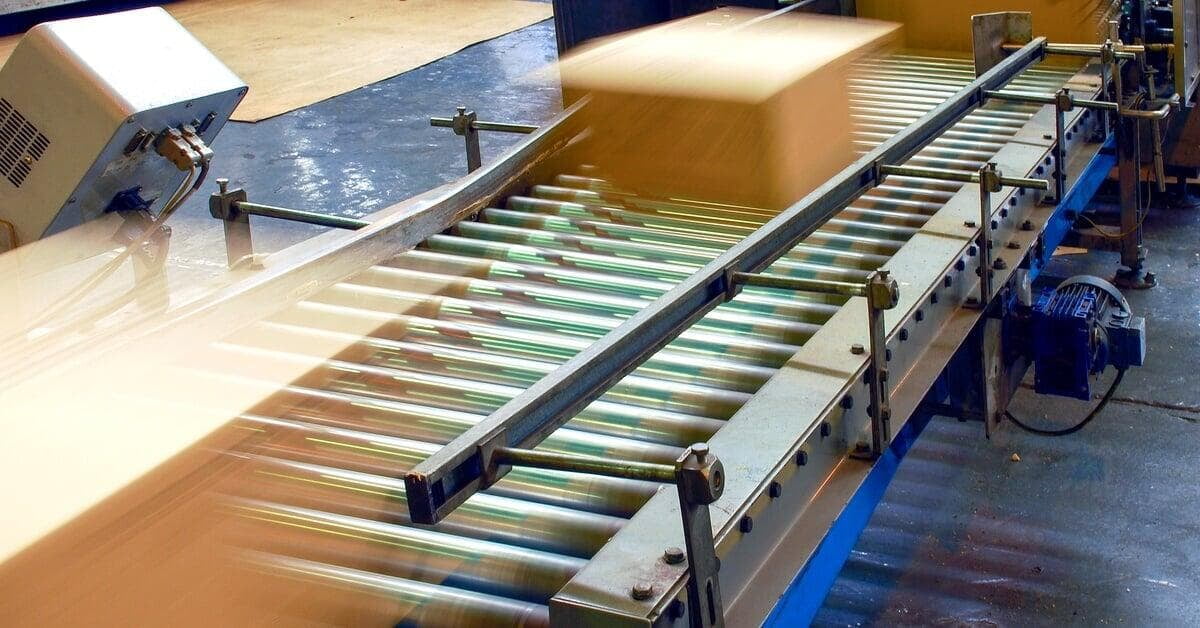
A manual process may support the operation for years, but higher volume can eventually expose limits at the packaging station. Adding more employees may not solve the issue when available space or an inefficient workflow restricts output. Automation increases capacity without requiring the warehouse to rebuild the entire line. The operation can then handle growth with a process that supports higher demand more reliably.
Equipment selection plays an important role in making that growth manageable. Managers should consider package size and expected volume before choosing a machine. They should also look at how products move into and out of the station. A system that matches the existing workflow can increase capacity without creating new delays.
Improved Package Protection
Improved consistency is another benefit of switching to automated packaging. When a machine applies the same amount of material during each cycle, the package receives dependable support. That control can reduce movement inside a carton or instability across a pallet. Better protection can lower the risk of damage before the shipment reaches the customer.
Protection also depends on choosing the right equipment for the application. A stretch wrapper serves a different purpose than a case sealer, so the operation must start with the package itself. Managers should identify where damage begins and choose equipment that addresses that point. This approach keeps automation tied to a clear operational need.
Build a Process That Can Keep Up
Automation gives the operation more control as volume rises and daily demands shift. The right system can reduce repeated manual work while helping each package move through the line with greater consistency. An experienced packaging machine supplier can help you select equipment that fits the current workflow and supports the next stage of growth.
The strongest results come from choosing equipment that fits the operation instead of forcing the workflow to adapt. With the right system in place, your team can support higher output while maintaining consistency as demand grows.