
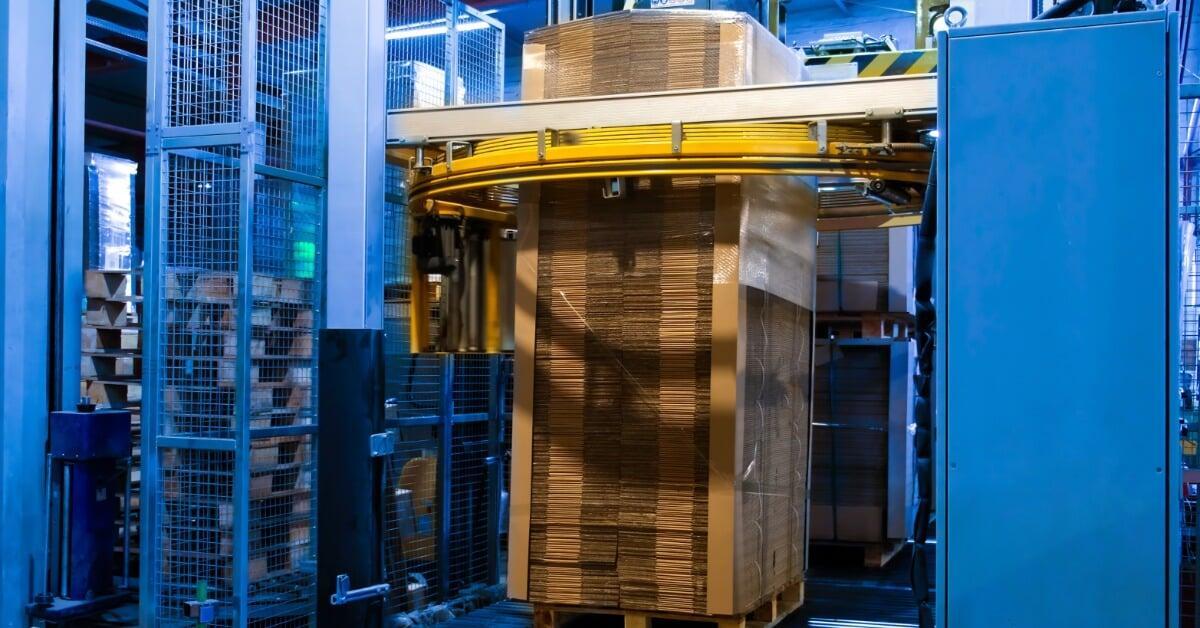
Stretch wrappers help warehouses improve load consistency and reduce the strain of hand wrapping. Operators still need steady safety habits because the machine moves quickly and handles heavy pallets. A safe process starts before the cycle begins, when the operator checks the load and ensures the area around the wrapper remains clear. Here are stretch wrapper safety tips for operations.
Train Operators on the Exact Stretch Wrapper They Use
Operators should learn on the same wrapper they use during a normal shift. That matters because controls can vary from one model to another, and a small difference can cause confusion when the line gets busy. When training occurs at the machine, employees can connect each step to their work.
A good trainer should walk the operator through a full cycle from start to finish. The operator should learn how to prepare the pallet, start the wrapper, stop it safely, and respond when something does not look right. This approach gives employees practical knowledge instead of a rough idea of how the equipment works.
Managers should revisit training when the team changes equipment or adjusts the layout around the wrapper. A new staging area can change how employees approach the machine, even when the wrapper stays the same. Short refreshers help operators keep safe habits consistent without turning training into a long classroom session.
Inspect the Wrapper Before Each Shift
Another stretch wrapper safety tip operators should know is to inspect the wrapper before use. A brief evaluation helps operators identify problems before production begins. The operator should inspect the wrapper closely and ensure the machine appears ready for a normal cycle. If a guard looks damaged or the area around the wrapper seems unsafe, the operator should stop and report the issue before running a load.
Operators should also pay attention to the way the machine sounds and moves. A new noise can signal a mechanical problem, especially when the wrapper ran smoothly during the last shift. When employees report those signs early, maintenance teams can respond before the issue grows.
Keep Hands and Clothing Away From Moving Parts
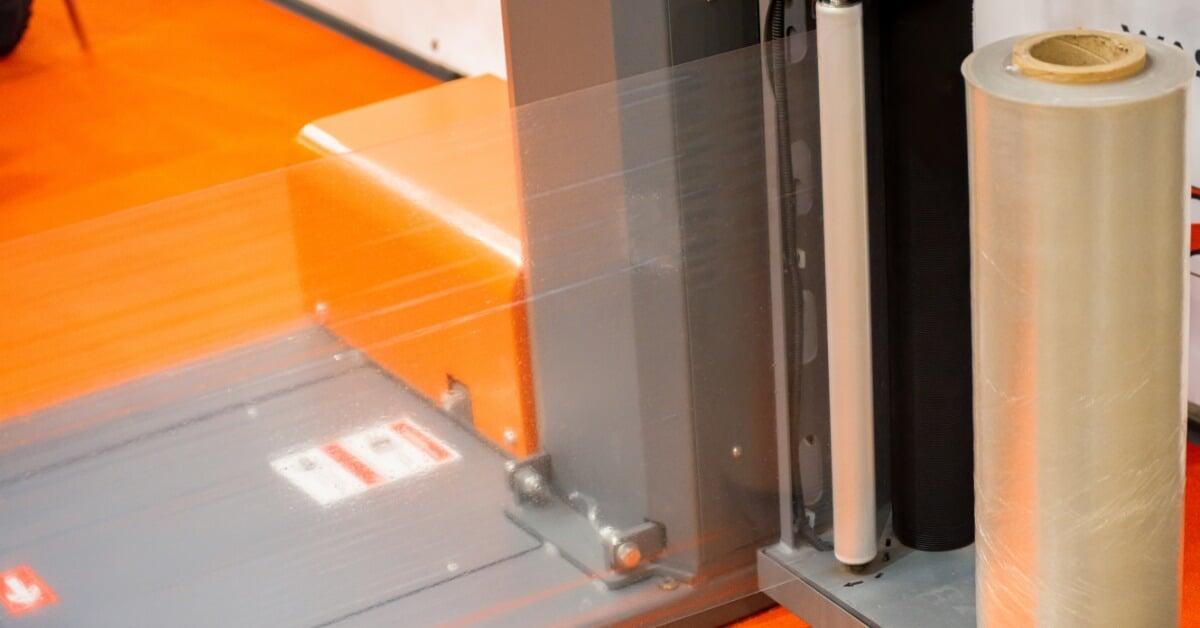
Operators should always keep their hands out of the wrap zone when the machine runs. The wrapper can move faster than expected, especially when an operator reacts to a slipping film or a shifting pallet. If something looks wrong during the cycle, the safest response is to stop the machine before stepping closer.
Clothing can also create a risk near wrapping equipment. Loose sleeves or hanging drawstrings can catch on the machine when an operator works too close to it. Operators should secure their clothing before entering the work area so they can focus on the load without making mid-cycle adjustments.
Keep the Work Area Clear
A clean work area helps operators focus on the machine and the load. Loose film on the floor can create a trip hazard near active equipment, so operators should remove it before the wrapper runs. When the area stays clear, employees can move around the machine without stepping into tight spaces.
Clear space matters even more when forklift traffic passes near the wrapper. Operators need enough room to stage a pallet and start the cycle without standing in a travel path. Floor markings can help the team keep the wrapper area organized before and after each load.
Center and Stabilize Pallets Before Wrapping
A stable pallet makes the wrapping process safer. Operators should center the load on the turntable before starting the cycle. If the pallet already leans, rotating it can cause the load to shift and create a hazard near the machine.
Operators should also check the condition of the pallet. A cracked board can weaken the base and cause movement during wrapping. Stopping to correct the problem protects the operator and helps prevent product damage later in the shipping process.
Load height also deserves attention before the cycle begins. For instance, a tall load may need a slower approach or a different wrap setting. Operators should follow the warehouse’s process for handling unusual loads rather than guessing their way through the wrap.
Load Film Safely and Avoid Forcing the Carriage
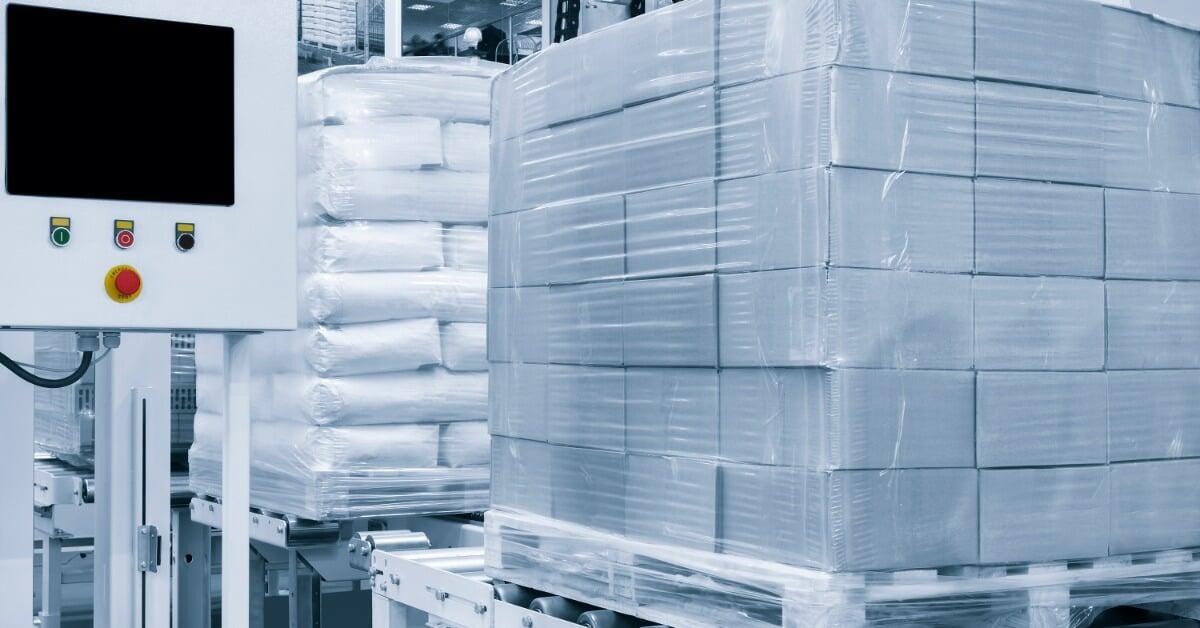
Film loading can feel routine, but operators still need to slow down and follow the correct path through the carriage. The operator should keep fingers away from the roller area during threading. If the film does not feed correctly, the operator should stop and identify the cause rather than pulling harder.
Forcing film through the machine can create new problems. It can damage the film path or place the operator too close to moving parts. A careful reset usually takes less time than dealing with a jam during production.
Operators should also understand how film tension affects the load. Too much tension can pull lighter products out of position. The right setting helps the machine wrap safely and keeps the load secure after it leaves the wrapper.
Follow Lockout Steps for Service Work
Operators should stop the stretch wrap machine before clearing a jam, reaching near the film carriage, or removing material from a guarded area. A wrapper can restart unexpectedly if someone leaves the power connected during service work. Lockout steps help prevent that risk by keeping the machine from moving while someone works near a hazard point.
Managers should make the lockout process clear before an issue happens. Operators need to know which tasks they can handle during normal production and which tasks require maintenance support. If the machine jams in a guarded area or the operator cannot fix the issue from a safe position, the worker should stop the machine and call the right person rather than reach in.
Build Safe Habits Into Every Shift
Safety works best when operators can follow the same process every day. A simple routine helps employees remember what to check and how to respond when production gets busy. Managers can support that routine with visible instructions, clear training, and regular reminders.
A daily safety rhythm may include the following:
- Check guards before startup
- Clear film scraps from the floor
- Confirm pallet stability
- Keep your hands outside the wrap zone
- Stop before making adjustments
- Report unusual machine sounds
- Keep traffic away from the wrapper
- Follow the lockout steps for service work
- Review procedures after layout changes
- Ask for help with unfamiliar loads
Keep Stretch Wrapper Safety Practical
Safe wrapping does not require complicated rules. It requires trained operators, clear work areas, stable pallets, safety features that work, and a team that stops the machine when something looks wrong.
PackSmart helps warehouses choose and maintain packaging equipment that fits their daily workflow. Our team also provides service support for stretch wrappers, so operators can keep equipment running safely and consistently. When managers make those habits part of the daily workflow, operators can work more confidently and keep the packaging line running with fewer surprises.