
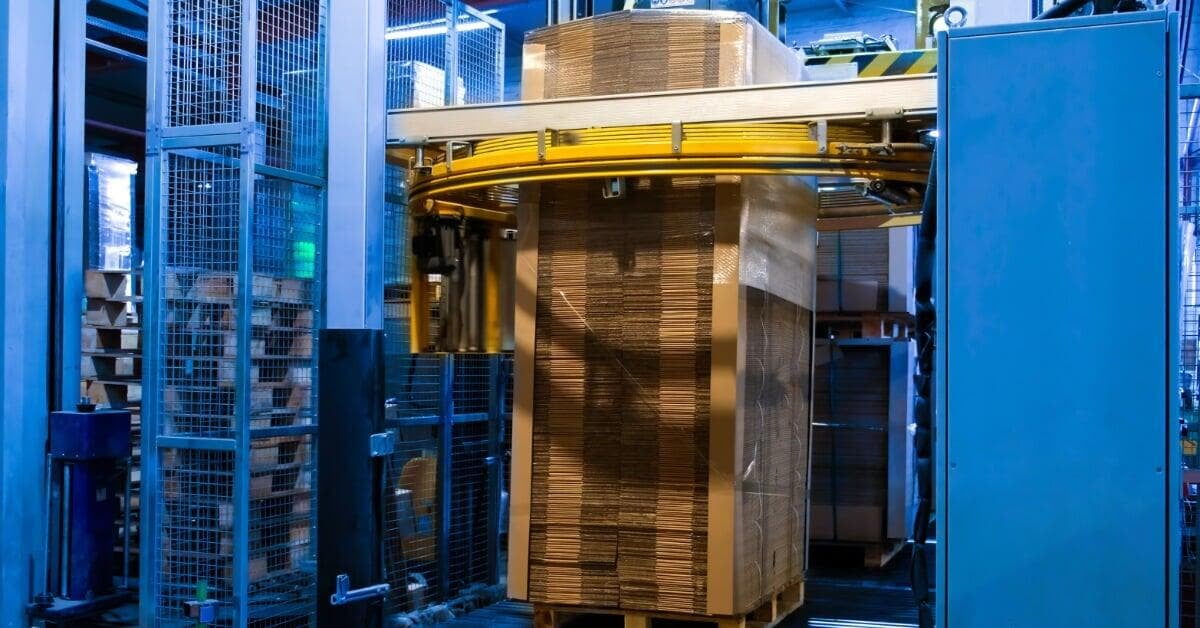
High pallet volume puts steady pressure on warehouse teams to wrap loads without slowing outbound movement. Hand wrapping becomes a bottleneck once pallets arrive faster than employees prepare them for staging. The right equipment brings repeatable film application into a workflow already built around speed and consistent handling.
Comparing stretch wrapper options for fast-moving warehouses makes it easier to match machine movement with pallet stability and available labor. Each wrapper type supports a different operating setup.
Stretch Wrap Turntables
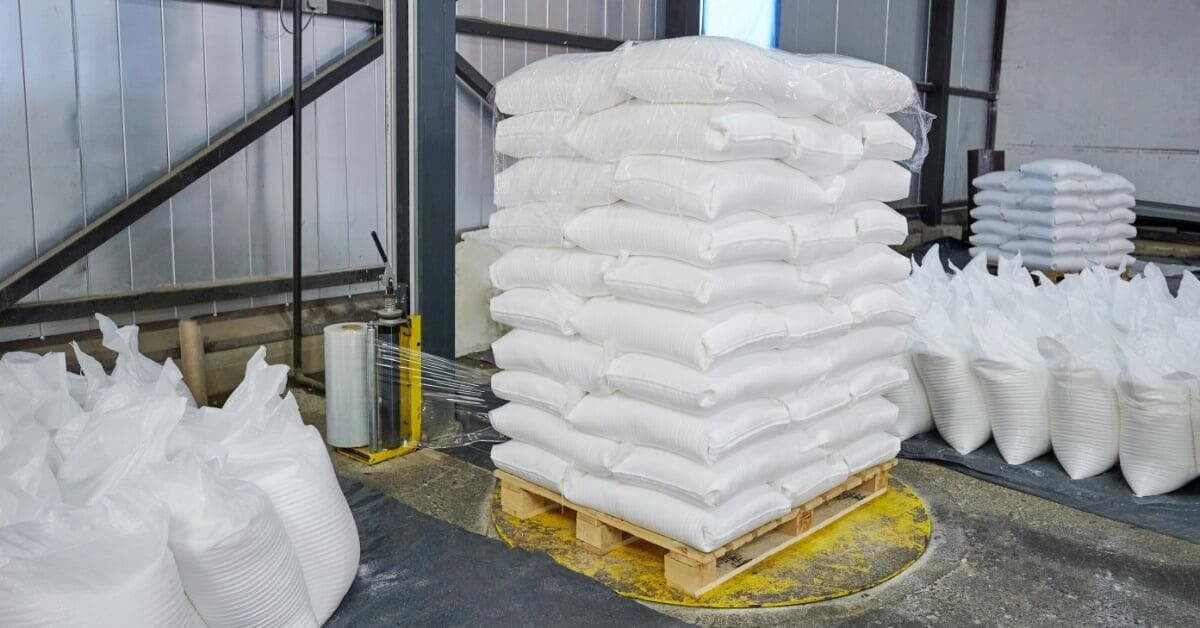
Pallets with stable footprints work well with turntable wrapping because the machine rotates the load beneath a traveling film carriage. The straightforward motion fits warehouse stations processing loads with predictable dimensions. Operators place a pallet on the platform before starting a programmed cycle that handles the circular film path. Since the pallet rotates throughout the cycle, product stability remains an essential factor to consider.
Programmable Cycles Improve Consistency
Busy wrapping stations depend on repeatable film placement from one pallet to the next. Programmable controls let teams establish settings for similar loads and reuse those settings across production runs. A defined cycle controls film tension and wrap counts, so operators aren’t recreating the process each time.
Consistency becomes especially useful across multiple shifts. Employees load the machine and work from an established program across recurring loads. Even during staffing changes, the warehouse has a dependable wrapping process.
Profiles Support Different Loading Methods
Turntable height affects how employees move pallets onto the machine. Low-profile configurations fit loading methods bringing pallets close to floor level. High-profile designs suit forklift loading because the platform sits above the surrounding floor.
Warehouse managers gain useful context by comparing the wrapper’s loading height with existing pallet movement. A machine suited to current handling practices avoids unnecessary changes around the wrapping station. The connection between loading method and equipment layout supports steady pallet traffic.
Robot Wrappers
Some facilities don’t route every pallet through one permanent wrapping station. A robot wrapper travels around a stationary load and brings the wrapping process to the pallet. The self-propelled design offers teams another option when pallets vary in size or appear across several staging areas. Since the load remains on the floor, employees don’t have to position it on a rotating platform.
Mobility Supports Flexible Wrapping Areas
Portable wrapping becomes useful when outbound work shifts across different parts of a facility. Teams bring the equipment to a pallet and leave the load within its current staging area. Such flexibility supports seasonal staging zones or temporary work areas where a fixed wrapper would complicate pallet movement.
Mobility doesn’t remove the value of an organized process. Employees benefit from defined wrapping locations and clear travel paths around each load. The difference comes from moving the wrapper to the work so the facility doesn’t revolve around one permanent station.
Pre-Stretch Controls Film Application
Some robot wrappers use powered pre-stretch before applying film around the pallet. The feature prepares the material for controlled placement and supports consistent containment around the load. Warehouse teams pair this function with programmed settings suited to recurring pallet types. Consistent pre-stretch settings support stable film behavior across recurring loads.
Film performance depends on more than speed alone. A wrapper must apply enough force to hold the load together without damaging cartons or compressible products. Operators use established settings as a reference and adjust them when pallet characteristics change.
Rotary Arm Wrappers
Heavy or unstable pallets don’t always respond well to rotation on a turntable. Rotary arm equipment keeps the pallet stationary as an arm carries film around the load. This motion suits operations handling tall stacks or irregular products where rotation could disturb the pallet. The stationary process fits demanding wrapping environments with shifting loads.
Stationary Loads Limit Product Movement
A pallet with uneven weight distribution shifts more easily as rotation speed changes. Keeping the load stationary removes one source of movement from the wrapping cycle. The arm travels around the pallet and applies film without spinning the products through repeated revolutions.
This setup works well with fragile cartons or tall stacks that already demand careful forklift handling. Warehouse teams focus on containment settings without adding turntable movement to an unstable load. The wrapper secures the pallet in the same position where employees placed it.
High-Volume Cycles Support Throughput
Fast-moving facilities depend on equipment capable of completing wrapping cycles without creating a queue near outbound staging. Rotary arm systems support repeated operation in demanding packaging environments. Their motion centers the process on film application because the pallet remains stationary.
Throughput decisions work best when they reflect the entire packaging area. A fast wrapper won’t solve congestion caused by slow pallet delivery or limited staging space. Managers get a useful comparison by reviewing wrapper speed alongside forklift traffic and downstream movement.
Conveyorized Stretch Wrappers
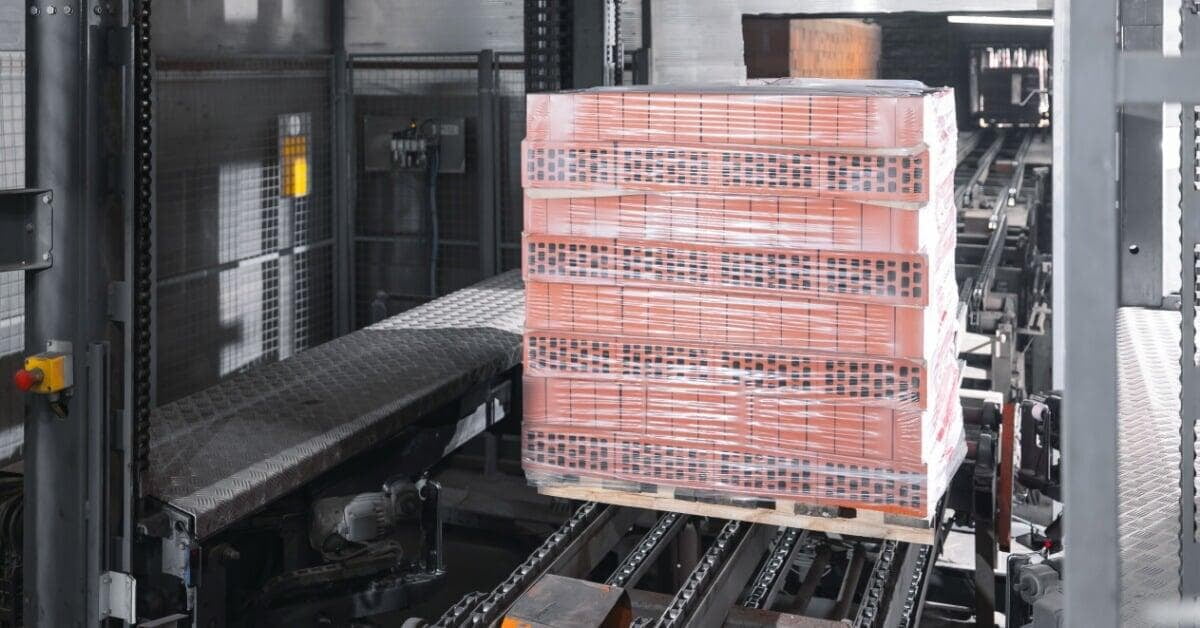
Warehouses with defined pallet routes use conveyorized systems to move loads through an automatic wrapping process with less operator handling. A conveyor carries each pallet into position before the wrapping cycle begins. Once wrapping finishes, the line moves the secured load toward the next packaging or staging point. This arrangement suits facilities that have a defined route for moving pallets.
Conveyors Limit Manual Load Handling
Repeated forklift transfers interrupt an otherwise continuous packaging process. Conveyor movement creates a controlled path into and out of the wrapper. Employees reduce the time spent on repositioning individual pallets at the machine. Instead, they can focus on monitoring the line.
The surrounding system has to support this level of automation. Infeed spacing and downstream capacity influence how smoothly pallets pass through the area. A conveyorized wrapper works best within a coordinated material flow. Defined pallet spacing provides enough time for each wrapping cycle to finish before the next load arrives.
Automated Flow Connects Packaging Stages
Automatic wrapping becomes especially useful when a warehouse already relies on conveyors or other integrated equipment. Pallets move from one process into wrapping and continue toward labeling or staging with fewer manual transitions. The result is a packaging sequence built around predictable movement.
Conveyorized equipment uses turntable or rotary arm wrapping methods depending on the application. The choice lets warehouses combine automatic pallet movement with a wrapping motion suited to their load characteristics. Managers evaluate both pieces together as one equipment decision.
Choosing Equipment Around Warehouse Flow
There are multiple stretch wrappers that benefit fast-moving warehouses. By reviewing pallet traffic and speed ratings, teams will be able to select equipment that complements the workflow.
PackSmart offers a variety of pallet wrapping machines designed to enhance warehouse efficiency. Browse our robot wrappers, turntables, and more to identify a suitable wrapping system.