
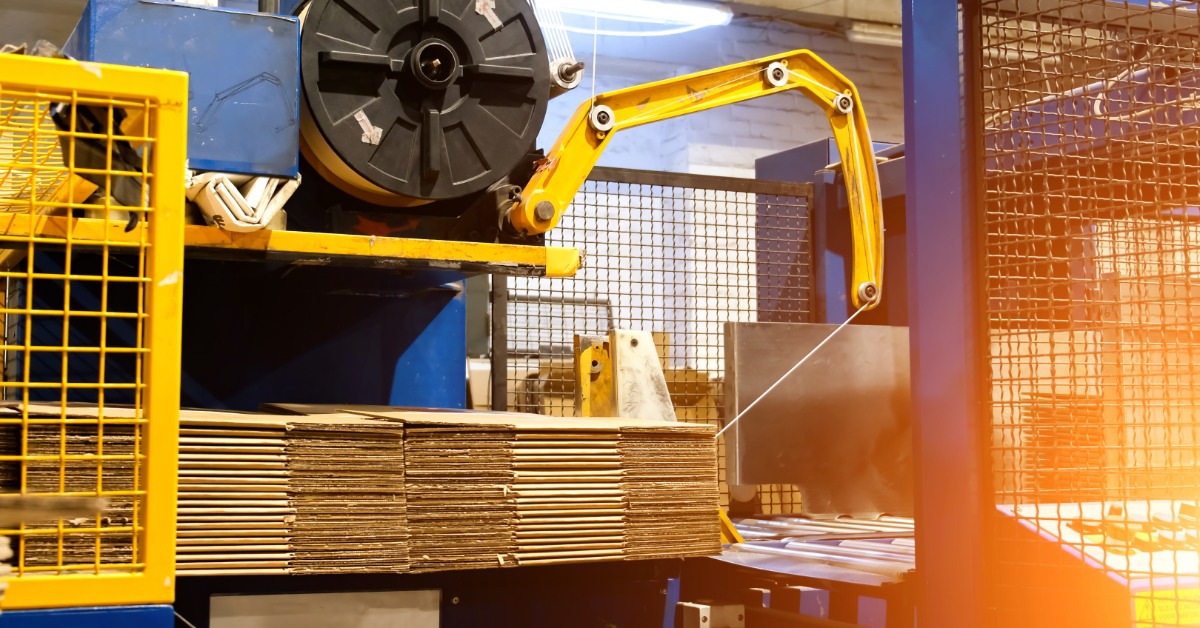
Strapping machines secure cartons and bundled products with tightly fitted bands that prevent movement during handling and transportation. Although these machines automate several packaging tasks, operators must position materials correctly and select appropriate settings to achieve consistent results.
Improper tension, misaligned straps, or incomplete seals could compromise package stability and interrupt warehouse operations. Following a step-by-step strapping machine operation guide allows employees to work through each stage of the process.
Understand the Strapping Machine’s Components
Strapping machines use several mechanical components to feed, tighten, and seal material around packages. Each component performs a specific function, allowing the equipment to complete a consistent strapping cycle. Although the arrangement varies by machine model, most systems contain the following components:
- The strap dispenser holds the strapping coil and allows material to unwind as the machine operates.
- The feed mechanism advances strapping material through the machine and prepares it for application.
- The tensioning system pulls the strap tightly around the package according to the selected tension setting.
- The sealing assembly joins the overlapping strap ends using a sealing method appropriate to the material.
- The cutting mechanism separates the finished strap from the remaining material after sealing.
- The control panel provides access to machine settings such as operating functions and tension adjustments.
Semi-automatic machines require operators to guide the strap around the package, whereas automatic models use a mechanical system to complete that movement. The remaining steps explain the typical semi-automatic process and identify relevant differences in automatic operation.
Step 1: Load the Strapping Material
Before feeding material into the machine, confirm that the strap type and width match the equipment’s specifications. Most tabletop semi-automatic machines use polypropylene strapping. Incorrect material dimensions could interfere with feeding or prevent the sealing assembly from joining the strap ends properly.
Place the strapping coil on its designated holder, following the manufacturer’s instructions for installation and unwinding direction. Once the coil sits securely, guide the loose end through the appropriate entry points and feed path.
Twisted straps could catch against internal components. Therefore, check that the material remains flat as it moves through the guides. After threading, use the machine’s designated feed function to advance the strap to the appropriate starting position.
Step 2: Adjust the Strap Tension
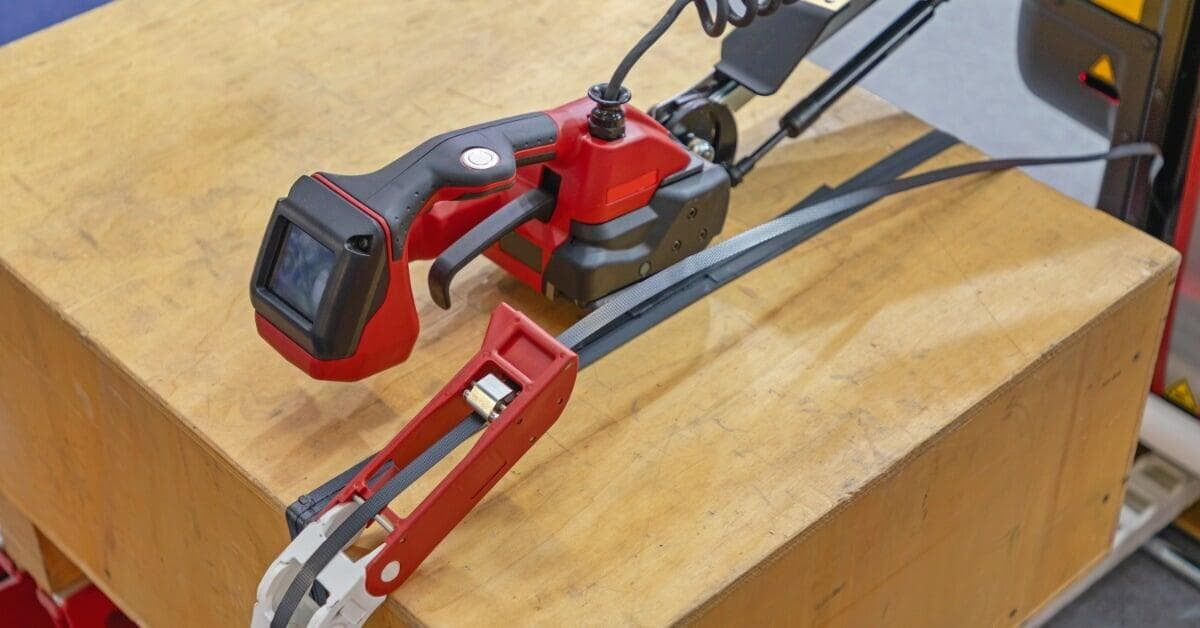
The tension setting determines how tightly the machine pulls strapping material around a package. Products with rigid packaging generally tolerate greater tension than delicate cartons or compressible bundles. Applying excessive force could deform cardboard, damage product packaging, or place unnecessary pressure on the contents.
Use the machine’s control panel or tension adjustment mechanism to select a setting appropriate to the load. When changing between package types, begin with a setting that matches the manufacturer’s recommendations and conduct a test cycle.
Examine the resulting band to determine whether it holds the package securely without visible deformation. If the strap shifts freely or presses into the carton, adjust the tension gradually, and repeat the test.
Step 3: Position the Package
Proper package placement determines where the strap contacts the carton and how evenly it wraps around the surface. Set the package on the machine’s worktable, ensuring that it rests securely and remains within the equipment’s weight and dimensional limits. Position the intended strapping location over the machine’s operating area before feeding the material around the carton.
For packages requiring multiple bands, identify the desired locations before completing the first cycle. Consistent spacing distributes the securing force across the package and prevents straps from collecting along one edge. When working with irregular bundles, arrange the contents so they remain stable as the strap tightens. Avoid positioning the band across fragile corners or areas that could collapse under pressure.
Step 4: Feed the Strap Around the Package
With the package positioned correctly, take the free end of the strap and guide it around the carton. Maintain a flat band against the package surface, ensuring that the material doesn’t twist as it passes around the sides. A twisted section concentrates pressure along a narrow area and could interfere with proper tensioning.
Bring the strap end back toward the machine’s designated insertion point and feed it into the opening according to the operating instructions. On many semi-automatic models, inserting the strap activates the tensioning and sealing sequence. Operators using automatic arch strappers follow a separate process because the machine feeds the material around the package through its arch.
Step 5: Complete the Strapping Cycle
Once the operator initiates the cycle, the machine draws the loose strap through its tensioning mechanism. The material tightens around the package until it reaches the selected tension level. At that point, the sealing assembly joins the overlapping ends, typically using heat or another method compatible with the strap material.
After completing the seal, the cutting mechanism separates the finished band from the remaining material. Then, the machine prepares the next strap length according to its operating sequence.
Allow every mechanical action to finish before removing the package, and maintain appropriate hand clearance throughout the cycle. Interrupting the process could leave the strap unsecured or cause material to remain inside the mechanism.
Step 6: Inspect the Secured Package
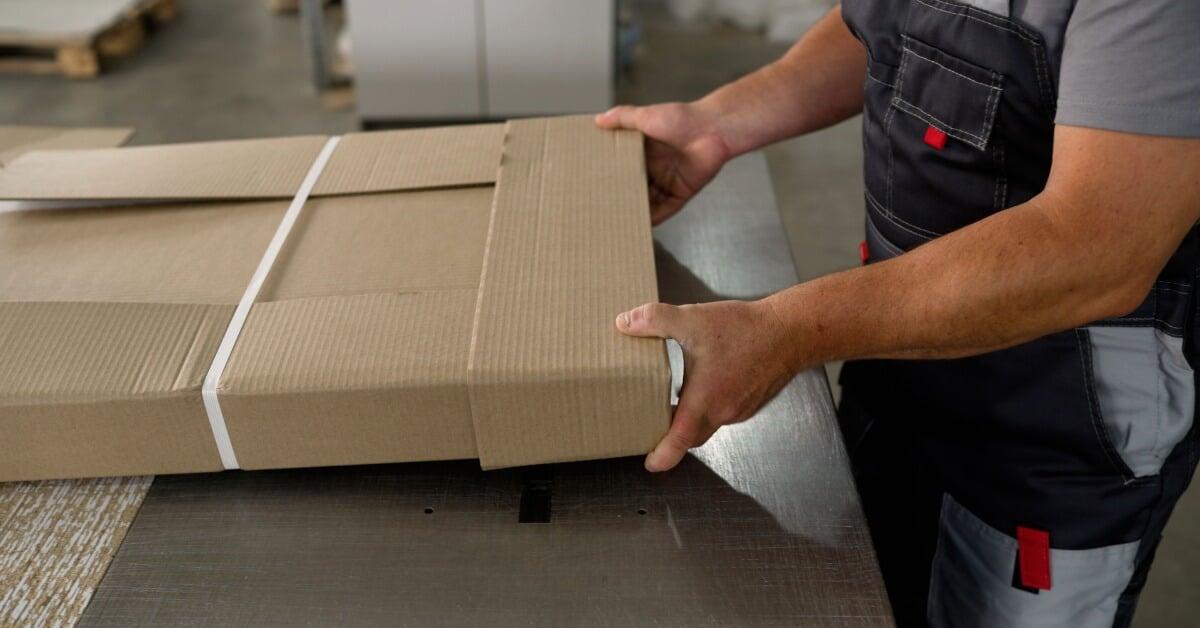
The finished package provides visible evidence of whether the strapping cycle worked correctly. Examine the band to confirm that it sits flat against the surface and follows the intended position around the carton. Its tension must hold the package securely, but the band shouldn’t cut into the packaging material or deform the contents.
Pay close attention to the joined ends, since a weak seal could separate when employees lift or transport the package. Check for incomplete bonding, loose overlapping sections, or visible damage near the connection. If the strap moves excessively or the seal appears defective, correct the underlying issue and apply a new strap before releasing the package for shipping.
Common Strapping Machine Operating Problems
Even when operators follow the correct sequence, feeding inconsistencies and mechanical problems occasionally interrupt production. Recognizing how these problems appear during operation provides useful direction for identifying their causes.
Strap Feeding Errors
Strapping material must travel smoothly through the guides to reach the correct position. Twisted bands, incorrect threading, or accumulated debris could prevent the mechanism from advancing the material. If the strap repeatedly stops or drifts out of position, check the coil orientation and accessible feed path after safely shutting down the machine.
Inconsistent Strap Tension
When finished bands vary in tightness, examine whether the selected tension setting matches the package requirements. Worn feed components or slipping mechanisms could cause inconsistent results even when operators haven’t changed the settings. Repeated tension problems warrant professional evaluation before additional packages enter the shipping process.
Incomplete Strap Seals
A weak seal might appear partially joined, distorted, or separated along one edge. Incorrect material specifications, contamination near the sealing area, or worn components could interfere with the bonding process. Operators should verify material compatibility and report recurring seal defects to qualified maintenance personnel rather than attempting unauthorized adjustments.
Prepare for Packaging Operations
Understanding the steps of strapping machine operation will ensure that teams maximize the equipment’s efficiency. Package dimensions, required tension, and daily production volume influence the appropriate machine selection.
PackSmart offers strapping equipment for various packaging applications. A semi-automatic strapping machine provides manual control over strap placement while automating tensioning and sealing, making it suitable for operations with changing package sizes. Our team will help you find the machine that suits your facility’s operating requirements.