
The face of the moon was in shadow
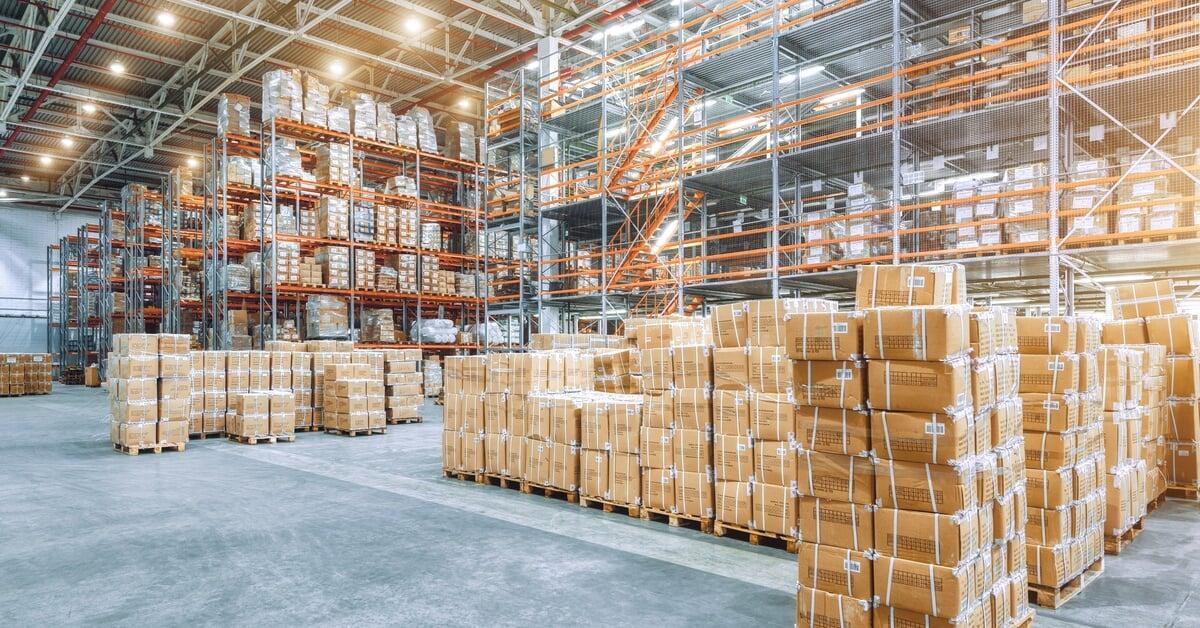
The efficiency of your packaging process directly shapes warehouse operations. How you package goods affects shipping costs, labor productivity, customer satisfaction, and even your company's sustainability footprint. It’s a complex piece of the logistics puzzle that demands constant attention. This article offers 10 practical packaging optimization tips for warehouses to help you save money, reduce waste, and boost overall performance.
Right-Size Your Packaging
Right-sizing involves matching your package dimensions as closely as possible to the product inside. When your containers are too big, you waste money on unnecessary shipping volume and increase the risk of product damage during transit. Consider using custom-sized boxes, adjustable cartons, or automated box-cutting equipment to create the perfect fit for each order.
Reducing the space, or void, inside a box provides better protection for the contents and lowers your material consumption. Likewise, a snug fit prevents items from shifting, minimizing the chances of breakage. This adjustment alone can yield substantial savings on both materials and freight costs.
Standardize Packaging Materials
Creating a consistent, predictable packaging system is one of the fastest ways to reduce packing time and eliminate errors. Instead of relying on dozens of random box sizes, take a standardized approach; this helps your team work more efficiently, lowers material costs, and keeps your operation running smoothly. Here’s how to put that into practice:
- Identify your core size needs: Review order history and choose 5–8 box sizes that cover 80–90 percent of your shipments.
- Create a packaging matrix: Assign each SKU or SKU type to a specific box size and filler, then post the matrix at packing stations and integrate it into your WMS.
- Limit packaging SKUs: Reduce the variety of cartons, fillers, and inserts to streamline decisions and cut packing times.
- Use universal inserts or modular dividers: Select inserts that are compatible with multiple standardized box sizes to minimize material complexity.
- Leverage bulk purchasing power: With fewer packaging variations, you can buy larger quantities of each size, negotiate better prices, and avoid frequent stockouts.
- Streamline replenishment workflows: Standardization makes it easier for staff to restock stations, monitor inventory levels, and maintain consistency across shifts.
Use Lightweight, Durable Materials
Another tip for optimizing packing in your warehouse is to use lightweight yet durable packing essentials to reduce shipping costs. Start by categorizing your SKUs based on fragility, weight, and shipping distance. Products such as apparel, accessories, small hardware, and non-fragile items can typically ship safely in poly or padded mailers, reducing both material weight and dimensional shipping costs.
Before fully transitioning to lighter materials, run controlled packaging tests to confirm performance. Conduct simple in-house checks such as corner drops, vibration tests, and compression checks to ensure the new material protects as intended. This prevents expensive damage claims while still allowing you to lower overall packaging costs.
Implement Automated Packing Systems

Automation can dramatically improve the speed and consistency of your packing line. Technologies such as auto-baggers, carton erectors, and automated void-fill systems perform repetitive tasks more efficiently and accurately than human workers. These systems reduce manual errors and create a more uniform output.
For example, an automatic bagging and sealing machine can process hundreds of orders per hour with precision and accuracy. Likewise, dimensioning systems can instantly determine the optimal box size for an order, feeding that information directly to your packing station.
Perform Regular Packaging Audits
A packaging audit is a systematic review of your entire packaging process. It involves analyzing return data, damage reports, material usage statistics, and shipping costs to find hidden problems. These audits provide the data you need to pinpoint inefficiencies and make informed improvements.
Moreover, regularly performing packaging audits helps you move beyond guesswork and guides your strategy with facts. Schedule these reviews on a consistent cadence, such as quarterly or biannually, to monitor performance over time.
Why It Matters
Regular audits enable you to adjust your packaging strategy in response to new products, changes in shipping carriers, and shifting customer expectations.
Optimize Pallet Configuration
The way you stack and arrange boxes on a pallet can drastically affect shipping costs, storage efficiency, and product safety. Start by grouping products with similar box dimensions and weights together, and aim for dense, uniform loads that minimize space. Place heavier boxes on the bottom and lighter ones on top, then use interlocking or brick-layer stacking patterns to increase stability.
For warehouses handling high volumes, palletization software or 3D load planners can eliminate the guesswork involved in stacking. These tools calculate the optimal arrangement based on box sizes, weights, and pallet dimensions, allowing you to fit more products onto each pallet while maintaining safety. Additionally, consider using corner boards, stretch wrap, or banding to secure the load and reduce shifting during shipping.
Pro Tip
When stacking boxes on a pallet, avoid overhanging edges, as this can lead to crushed boxes or shifted pallets during transit. You should also ensure that you evenly distribute the weight to prevent tipping or uneven compression.
Label Strategically

Clear and correct label placement is fundamental to an efficient warehouse. A properly placed label enables quick scanning and minimizes handling errors as packages move through your facility. This simple practice accelerates inbound receiving, outbound shipping, and cross-docking operations.
Some of the best practices for labeling include:
- Place labels on the largest, most visible surface of the box.
- Always avoid placing labels over seams, edges, or on top of sealing tape.
- Use durable adhesive labels that won't peel off during transit.
Train Staff on Packaging Best Practices
Your team is your first line of defense against inefficiency and waste. Consistent training on packaging best practices drives speed, accuracy, and damage reduction across the board. Well-trained employees understand how their actions contribute to the company's bottom line.
While training is important, you don’t have to get overly elaborate. Using quick standard operating procedure (SOP) videos, printed reference sheets at each packing station, and brief hands-on workshops are efficient; this approach also offers resources that they can review at any time.
Use Data To Improve Packaging Choices
Data should be the foundation of your packaging strategy. Track key metrics, including packing time per order, damage rates by product, cost per shipment, and material consumption. This information reveals what’s working and what isn’t.
Integrate this data with your warehouse management system (WMS), shipping software, or analytics dashboards to gain a comprehensive view of your operations. You can identify trends, such as which products get damaged most often or which box sizes are used the most. Data-driven decisions will improve your long-term efficiency and generate sustained cost savings.
Buy Quality Packing Equipment
Even small, incremental improvements, when applied consistently, add up to significant long-term savings. PackSmart offers a wide range of packing supplies and equipment to help you meet your packing needs. As industry experts, we stay up to date with packaging changes to ensure our customers receive only the best products, delivering top-quality results. Take the time to assess your own warehouse processes and start by implementing one or two of these tips today.