
Warehouse operations are accelerating as order volumes rise and shipping expectations tighten. Packaging stations often feel that pressure first because workers must complete several repetitive steps before a shipment leaves the facility.
Automation helps warehouses stabilize those packaging processes while keeping shipments moving efficiently. Many operations improve throughput and consistency by investing in the packing automation tools every warehouse should have across modern packaging lines. The right equipment supports each stage of the packing process, from preparing cartons to securing pallet loads for shipment.
Stretch Wrap Machines
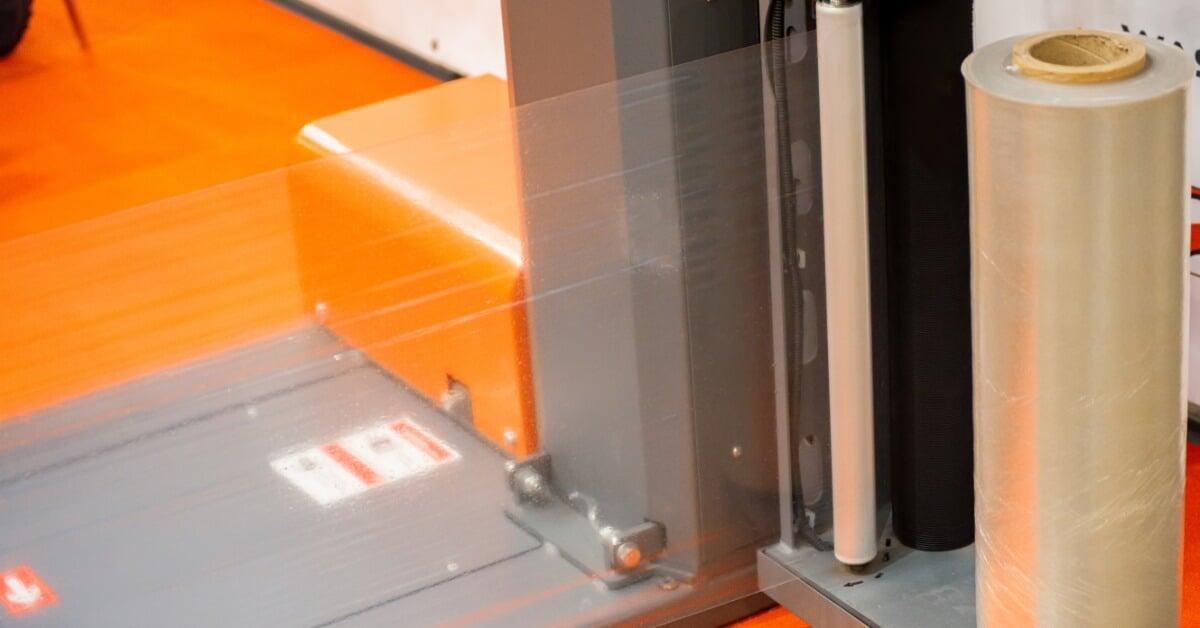
Pallet stability plays a major role in protecting shipments during transportation. Pallets experience constant movement as forklifts handle them and trucks accelerate, brake, and change direction. When workers wrap pallets manually, they often apply film unevenly or use more material than necessary to secure the load.
Stretch wrap machines solve that problem by applying film with consistent tension and controlled wrap patterns. Each pallet receives uniform coverage that keeps products securely in place while minimizing wasted film. This consistency improves load stability and helps warehouses move pallets through staging and shipping areas faster.
Carton Erectors
Most packing operations begin with building corrugated boxes. Workers who assemble cartons manually must fold the box, square the corners, and seal the bottom before packing can even begin. When order volumes increase, this step slows packing stations and interrupts the overall workflow.
Carton erectors automate the process by forming boxes and sealing the bottom flaps. The machine produces a steady stream of ready-to-pack cartons that move directly to packing stations. This allows workers to focus on placing products into cartons rather than assembling boxes, keeping the packaging line moving efficiently.
Void Fill Systems
Products rarely stay perfectly still once they enter the shipping network. Acceleration, braking, and normal handling cause products to move within cartons when there is space around them. That movement allows items to shift, strike carton walls, or collide with other contents. Over time, those impacts lead to dented packaging, damaged goods, and preventable returns.
Void fill systems remove that space by generating cushioning material directly at the packing station. Packers add material around products before sealing the carton, keeping items secure during transit. Warehouses often choose different cushioning materials based on the product and packaging environment.
Common automated void fill materials include the following:
- Kraft paper cushioning
- Inflatable air pillows
- Foam packaging systems
- Corrugated cardboard cushioning
Producing cushioning on demand keeps packing stations moving without stopping to manually prepare materials. The system delivers consistent protection while helping packers maintain a steady workflow.
Strapping Machines
Some shipments require more reinforcement than tape alone can provide. Heavy cartons, bundled products, and palletized loads often need additional containment to prevent shifting during transport. When workers apply straps manually, they must measure, tension, and seal each strap individually, which slows packaging and requires physical effort.
Strapping machines streamline that process by applying straps with consistent tension and reliable sealing. The equipment tightens and secures each strap in seconds, creating stable shipments without slowing production. Warehouses that ship heavy or high-value products often rely on this equipment to maintain both load security and packaging efficiency.
Conveyor Systems
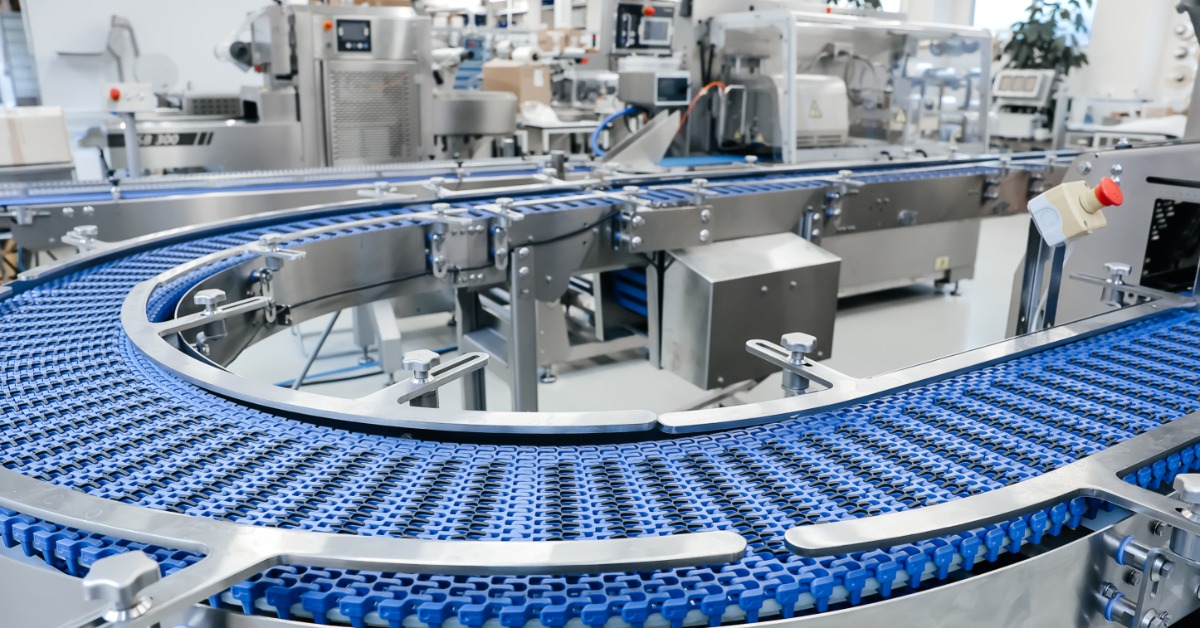
Conveyors are among the packing automation tools every warehouse should have, as they enable multiple packaging systems to operate together as a coordinated workflow. Products must move between packing stations, sealing equipment, labeling areas, and palletizing zones before shipment. When workers manually transport cartons between those steps, the extra movement slows production and increases labor requirements.
Conveyor systems create a continuous flow that connects each stage of the packaging line. Instead of relying on workers to move cartons between stations, the system transfers products automatically from one piece of equipment to the next. This steady movement keeps packaging operations organized while reducing unnecessary handling and delays.
Automated Bagging Systems
Not every product requires a corrugated carton. Smaller items such as apparel, parts, and lightweight components often ship more efficiently in poly bags, especially in high-volume fulfillment environments. When workers bag these products manually, they must measure bag sizes, seal packages, and prepare shipments one at a time.
Automated bagging systems simplify the process by automatically measuring, cutting, and sealing bags around products. The equipment packages items quickly while maintaining consistent seal quality. This allows fulfillment operations to process high volumes of smaller items with less manual handling.
Case Sealers
Closing cartons may seem like a simple step, but it plays an important role in protecting shipments. Workers who seal boxes manually must fold flaps, apply tape evenly, and repeat the process for every carton. As order volumes increase, this repetitive task slows packing stations and can lead to inconsistent seals.
On the other hand, case sealers automate the process by applying tape with consistent pressure and alignment as cartons move through the machine. The equipment closes boxes quickly while maintaining a uniform seal across every package. This keeps packaging lines moving efficiently while helping ensure cartons remain securely closed during handling and transport.
Labeling and Print-and-Apply Systems
Shipping labels provide critical information that carriers and warehouse systems rely on to route packages correctly. Workers who apply labels manually must print them separately and place them accurately on each carton. Even small mistakes in placement or labeling can cause delays or routing errors.
Print-and-apply systems automate both tasks by printing and applying labels in one motion. Cartons move along the packaging line while the machine places labels in a consistent location. This improves shipping accuracy and allows warehouses to maintain speed during high-volume operations.
Palletizing Systems
Stacking cartons onto pallets requires repetitive lifting and precise placement. Workers who perform this task manually must build stable pallet loads while keeping up with production speeds. As order volumes increase, maintaining that consistency becomes more physically demanding and harder to sustain.
Automated palletizing systems handle this process by arranging cartons into organized pallet loads using programmed patterns. Robotic palletizers adjust to different carton sizes and configurations, allowing warehouses to manage a range of products on the same line. This improves worker safety while producing stable pallet loads ready for shipment.
Industrial Shredders
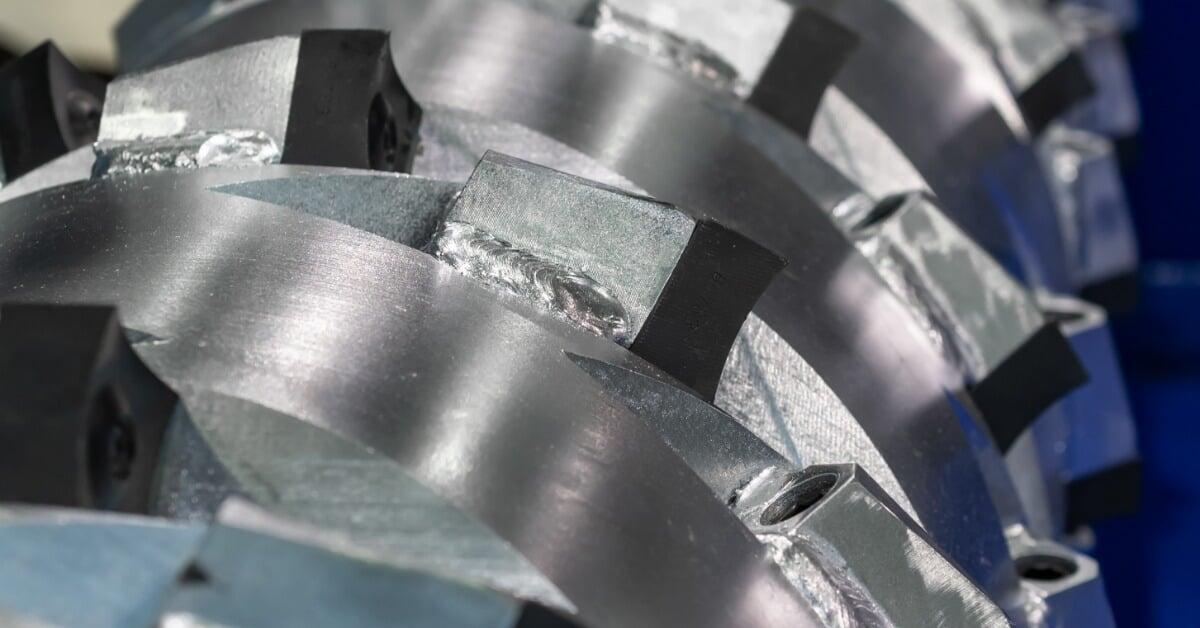
Packaging operations generate large amounts of corrugated waste throughout the day. Boxes that arrive from suppliers or internal operations often accumulate quickly, creating piles of cardboard that need to be disposed of or recycled.
Industrial shredders convert that corrugated waste into usable packaging material. The machine processes cardboard into cushioning that packers can place inside cartons for protection. This approach reduces disposal costs while creating practical packing material from existing resources.
Carton Inspection and Weight Verification Systems
Shipping accuracy plays a major role in customer satisfaction and operational efficiency. Packages that leave the warehouse with missing products or incorrect contents result in costly returns and additional handling. Detecting those issues before shipment helps warehouses maintain reliable order fulfillment.
Carton inspection and weight verification systems check packages as they move through the packaging line. The equipment confirms that each carton matches expected weight ranges or packaging requirements. These checks help prevent incorrect shipments and ensure that orders leave the facility complete.
Buy Quality Machines
The right automation equipment depends on the products you ship and the workflow inside your facility. PackSmart helps warehouses evaluate packaging operations and identify equipment that improves speed, consistency, and protection. Their team can recommend the machine you need to support efficient packaging lines from start to finish.