
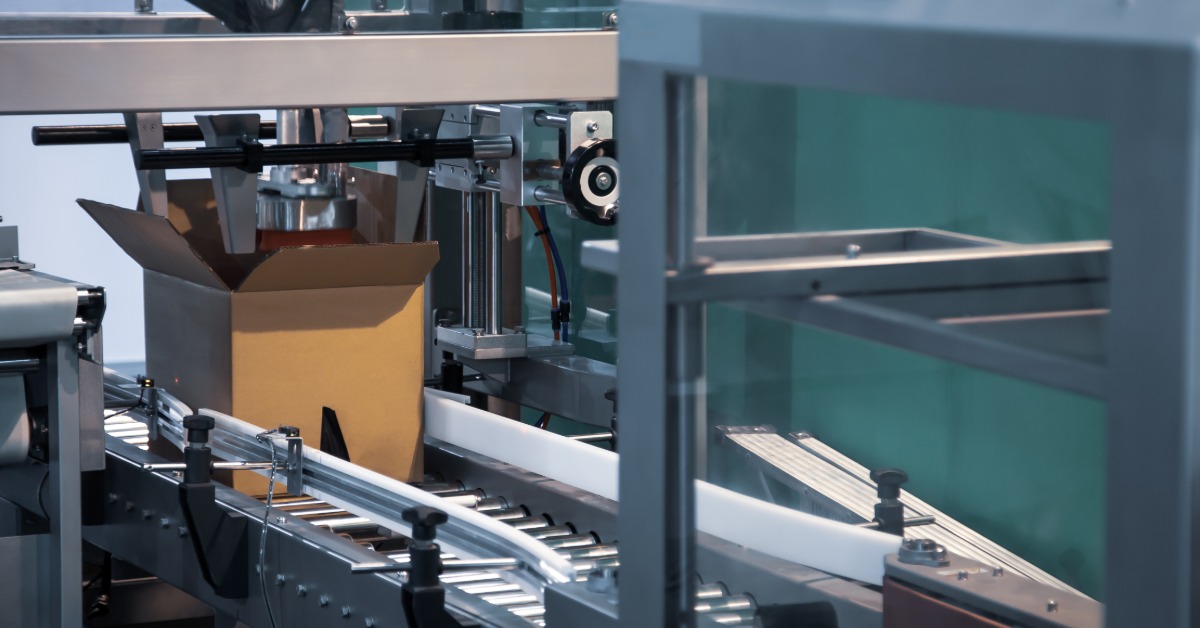
Warehouse managers evaluate packaging equipment by overall flow. Performance depends on how well case forming and sealing stages align within the line. Misalignment between these stages can disrupt order completion and reduce operational consistency. By integrating case erectors and sealers, these machines will produce incredible results for streamlined workflows.
How Case Erectors Prepare Cases
A case erector takes flat corrugated blanks from a magazine and forms them into open cases. Depending on the machine design, the equipment folds the bottom flaps and secures the base with tape or adhesive. Then, the finished case moves toward the packing area, giving employees a steady supply of cases ready to receive products.
Automation removes repetitive case setup from much of the packing process. However, the main value comes from the way controlled formation supports the next task. A properly formed case reaches the packing station with its shape set and its bottom secured. Employees focus on placing products instead of correcting box assembly problems. Consistent formation becomes especially useful during sustained runs because the packing team doesn’t have to stop and rebuild cases before loading.
Consistent Case Formation
Manual case setup depends on employee technique throughout a shift. A rushed fold or poorly aligned flap leaves a case out of square. Those variations affect product placement and the way the case travels into later equipment.
A case erector follows the same formation process during each cycle. The machine positions the blank and folds the flaps according to its setup. Consistent geometry supports stable movement through conveyors and packing stations. It reduces interruptions linked to cases sitting incorrectly on the line.

Labor Use During Case Setup
Case assembly consumes valuable time, even though each box appears simple to form. With a steady order volume, employees often repeat the same folding tasks, which ties them to a narrow part of the operation and limits their ability to support other areas of the line.
A case erector shifts those repetitive formation steps into the equipment, so employees are able to focus on packing products or monitoring line flow. Semiautomatic systems still require operator involvement, but they structure the work around a defined station that supports a more organized workflow. In high-volume environments, automatic systems take on additional steps in the formation process, decreasing manual handling.
Case Supply for Packing
Packing stations rely on a steady stream of open cases to keep work moving. When a case erector produces too few cases, employees pause their work and wait for packaging to arrive. When the machine produces too many, cases pile up around the station and create unnecessary handling that slows the area down.
Warehouse managers should align expected case demand with the operating rate of the case erector. They also need to evaluate the range of case sizes used in daily production, especially when the facility runs multiple products in a single shift. When managers match equipment capability to the production mix, they support smooth changeovers.
How Case Sealers Finish Cases
A case sealer completes the final step in the packing process by closing filled corrugated cases before they move out of the packaging area. Operators or upstream equipment first position the filled case, and some systems require an employee to fold the top flaps before feeding it into the machine. In more automated setups, the machine handles flap positioning as part of its cycle, then applies the sealant to secure the case.
The sealing step shapes how finished packages exit the line and move into downstream handling. Consistency prevents variations that could disrupt conveyor movement or palletizing. As a result, warehouse teams are able to monitor output easily and maintain steady movement throughout the packing area.
Consistent Case Closure
Hand sealing changes with tape placement and employee technique. These small differences don’t stop an order from shipping, but repeated variation increases the difficulty of quality checks.
A case sealer applies closure based on machine settings during each cycle. The repeatable process produces a uniform presentation across finished cases. When case dimensions stay within the equipment range, the sealer applies the same sealing method throughout the production run.
Throughput at the Line Exit
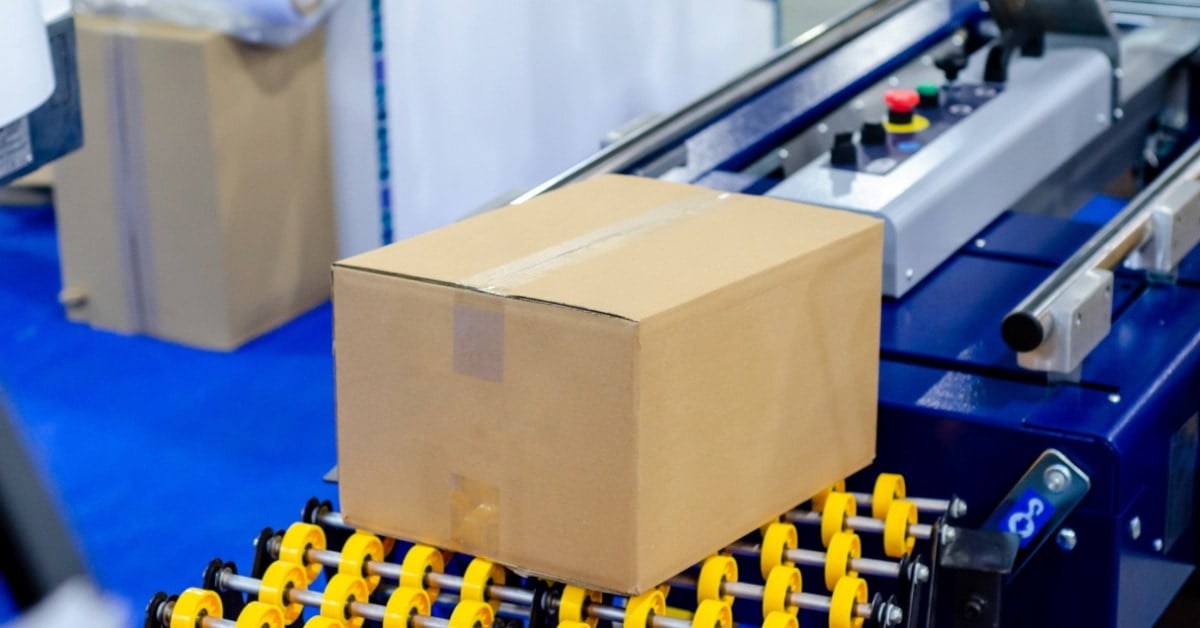
Packing work backs up when completed cases wait for manual sealing, and finished products sit at workstations while upstream tasks continue. A case sealer creates a dedicated closing stage and establishes a defined production capacity for that point in the line.
The sealing rate must align with the rest of the operation. If the packing station produces more cases than the sealer can handle, accumulation builds at the end of the line. If the sealer runs slower than packing output, cases begin to queue at the sealing station. Warehouse managers improve flow when they evaluate sealing speed as part of the entire line.
Labor Use During Sealing
Manual taping requires employees to repeat the same motions across many cases, and this repetition ties output directly to the pace of the individual at the station. A case sealer shifts the sealing task to equipment, and the machine handles the closure cycle with each pass.
Next, employees feed cases into the sealer and inspect finished packages. With this assistance, supervisors are able to plan staffing with ample consistency because they’re able to evaluate line performance and identify the origin of delays accurately.
Coordinating Both Machines
Case erectors and sealers work best when they follow the same production rhythm. Warehouse managers align case erector output with sealing station capacity to keep the line stable. The erector supplies cases for packing, while the sealing station closes completed cases at the same pace. Conveyor layout and accumulation space shape how cases move between stages.
Integration does not require full automation across every step. A semiautomatic station supports operations where employees handle packing tasks, while an automatic setup fits lines with steady volume patterns. Managers prevent one stage from disrupting another by balancing equipment capacity across the line. A case sealing machine performs well when upstream case formation and packing deliver a steady flow within its operating capacity.
Supporting a Reliable Packaging Flow
Case formation directly influences how smoothly packing proceeds, and sealing capacity determines how quickly finished orders leave the line. When managers connect these stages, they evaluate labor, delays, and production flow is straightforward.
PackSmart supplies case sealing machines for warehouse managers who want to streamline operations. By integrating case erectors and sealers, teams will maintain a dependable flow from case preparation through final closure. Contact PackSmart to discuss equipment options for your packaging operation.