
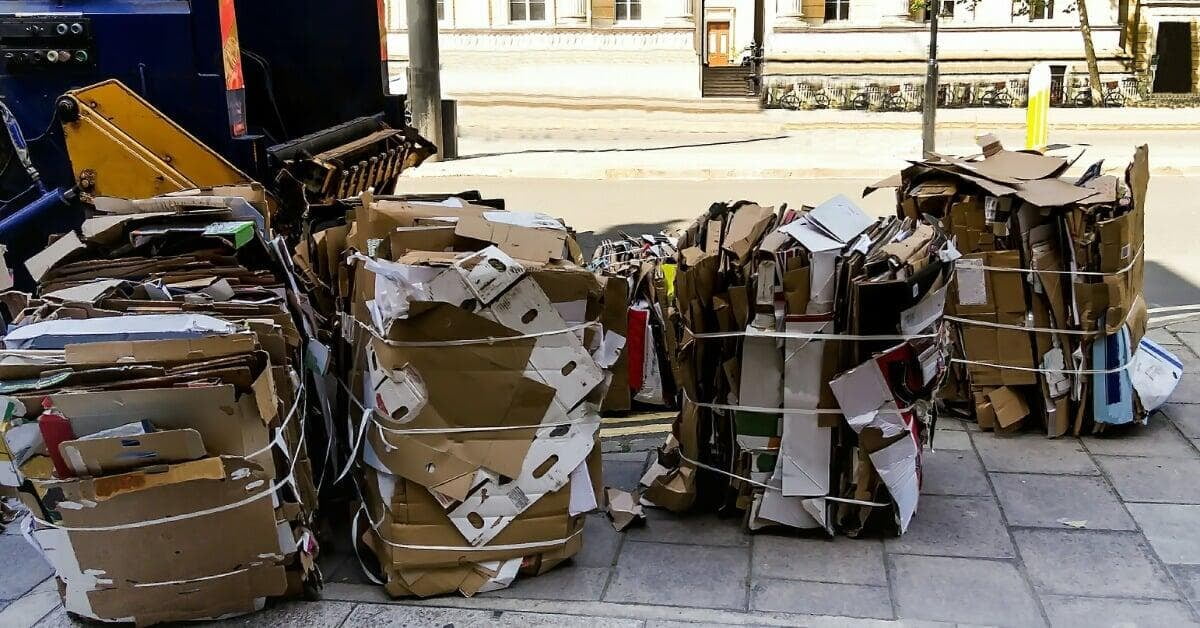
Cardboard waste can build up fast when a business handles steady product movement throughout the week. Loose boxes use valuable space and pull employees away from higher-value work.
A baler gives teams a better way to handle recurring waste in the warehouse. Instead of letting cardboard pile up across the dock or in the back room, employees can move it through a single controlled process. This guide outlines which industries benefit from cardboard balers.
Warehousing and Distribution
Warehouses and distribution centers can generate cardboard waste throughout the day as products move through receiving, storage, and shipping. When empty cartons pile up near dock doors or staging areas, they take space away from active freight and force employees to stop what they are doing to clear the area.
A cardboard baler helps control that buildup by providing teams with a consistent place to move broken-down boxes as part of the normal workflow. Instead of handling loose cardboard several times before pickup, employees can bale it and keep the dock open for the work that needs to be done there.
Retail Stores
Retail is another industry that benefits from cardboard balers. Empty cartons may sit near shelves or work tables as employees move products to the sales floor, making the area harder to navigate and slowing the restocking process.
A cardboard baler provides store teams with a consistent way to clear boxes before they crowd the back room. Employees can break down cartons as they stock and compact the material in one place, helping the space stay open and easier to work in during busy delivery periods.
Grocery Stores
Grocery stores can quickly build up cardboard because restocking occurs throughout most of the day. Cases are opened in the back room before products move to shelves, and more boxes can be collected as employees work through new deliveries. When that cardboard sits loose, it can crowd receiving areas and make it harder for teams to keep product moving.
A cardboard baler helps grocery teams clear packaging waste as part of the stocking routine. Employees can break down cases and compact them in one place instead of carrying loose stacks through the store or leaving them for a larger cleanup later. That steady process helps keep the backroom easier to use during deliveries and supports a more organized recycling flow.
Food and Beverage Operations
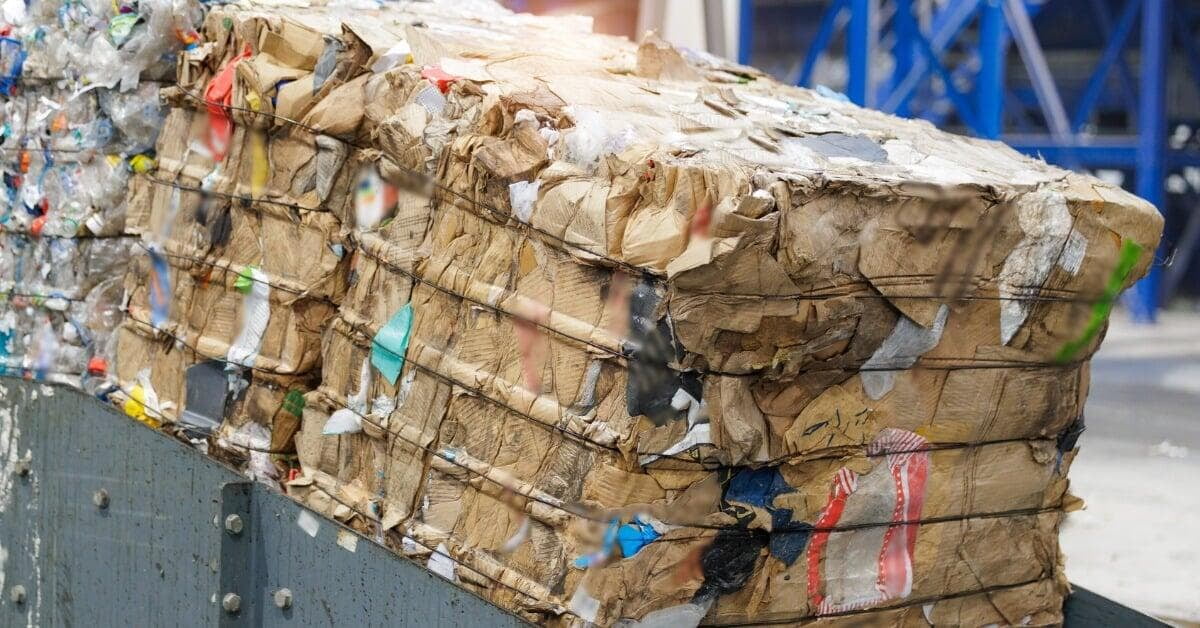
Food and beverage operations can quickly collect cardboard when teams unpack cases for daily production or order prep. Boxes may start in receiving, but they often move closer to storage areas as employees pull products into the workflow. When cardboard sits loose in those spaces, it can make the area feel crowded and create another task for workers to manage during an already busy shift.
A cardboard baler gives the team a cleaner way to remove packaging from the work area before it builds up. For instance, employees can break down cases as they unload or stock materials, then compact the cardboard in one place instead of letting it spread across the facility. That keeps the workflow easier to manage and helps the team maintain a more organized waste process.
Manufacturing Facilities
Manufacturing facilities often deal with cardboard in several parts of the building as materials move into production and finished products move toward shipping. Empty cartons can collect near work areas when employees unpack parts or supplies during the day. If each department handles that waste on its own, cardboard can start taking up space where teams need room to keep production moving.
A vertical cardboard baler gives manufacturers a more consistent way to manage that material before it becomes a distraction. Employees can break down cartons and move them into one shared process instead of letting loose cardboard sit near equipment or staging areas. That helps keep production spaces clearer and makes waste handling easier to manage across the facility.
E-Commerce Fulfillment
E-commerce fulfillment centers need a steady cardboard process because boxes move through the building all day. Products arrive in cartons before employees sort inventory and prepare orders for shipment. When those cartons pile up near packing stations, they can crowd the areas where speed matters most.
A cardboard baler helps fulfillment teams clear packaging waste before it slows order flow. Employees can break down inbound cartons during inventory processing and compact them in one place, rather than leaving stacks for a later cleanup. Returns can add even more cardboard, so a consistent baling process helps keep packing areas open during busy periods.
Industrial Supply Companies
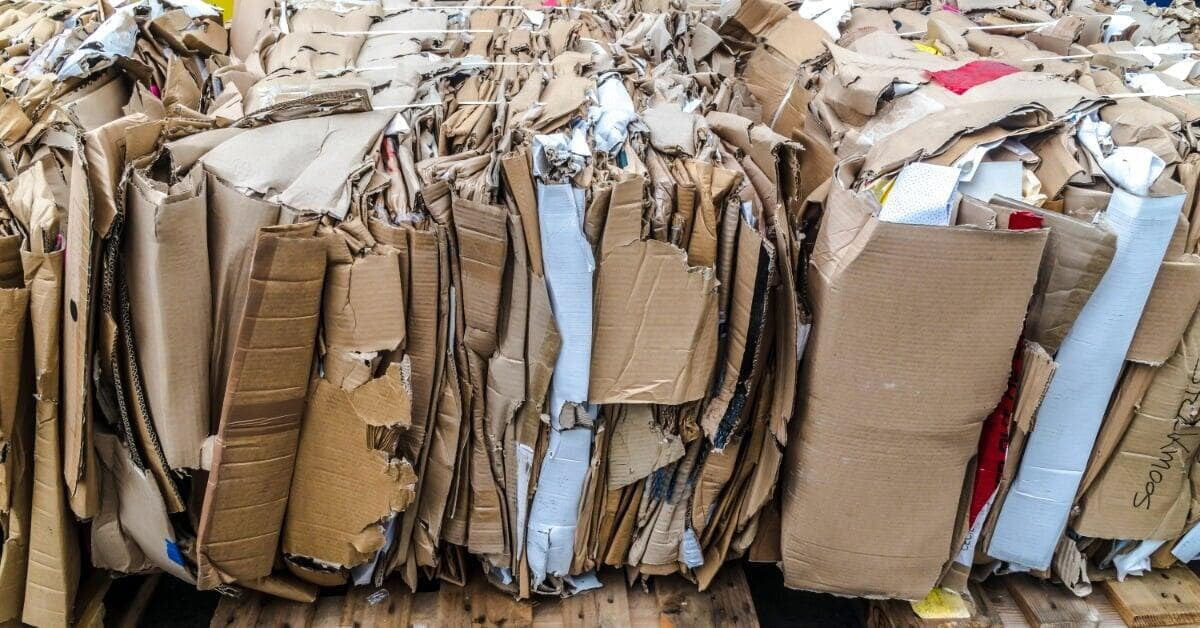
Industrial supply companies often handle cardboard from boxed parts and equipment. These cartons can create clutter near receiving areas when employees unpack inventory or prepare customer orders. If the business serves walk-in customers while also shipping to business accounts, loose cardboard can interfere with more than one workflow.
A cardboard baler helps these companies reduce bulky packaging before it interrupts daily movement. Employees can break down cartons and compact them rather than stack loose cardboard near order staging areas. That keeps the space easier to use for both incoming deliveries and outgoing orders.
Furniture and Home Goods Businesses
Furniture and home goods businesses often handle large cartons that quickly take up space. Even a smaller delivery can crowd the receiving area when the packaging is oversized. When loose cardboard sits on the floor, employees have less room to stage products or move items safely.
A cardboard baler helps reduce that bulk before it becomes a space problem. Teams can break down large cartons and compact the material rather than letting oversized packaging accumulate between deliveries. That gives employees more room to handle products and keeps the workspace easier to manage.
Signs Your Business May Need a Cardboard Baler
Some businesses know they have a cardboard problem, but they do not always know when to seek equipment support. A baler may be a good fit when cardboard creates recurring issues that employees need to solve every day. The strongest signs usually appear in the following instances:
- Cardboard fills disposal areas before pickup
- Employees spend too much time moving loose boxes
- Backrooms feel crowded during normal deliveries
- Recycling routines change from shift to shift
- Cardboard piles appear near active work zones
These signs do not point to one specific machine. They show that the current process may not match the amount of cardboard the facility handles, and an earlier equipment review can help prevent waste from becoming a daily frustration.
Cardboard Baler Support From PackSmart
Cardboard balers can help many businesses create a cleaner and more efficient waste process. PackSmart helps businesses think through packaging equipment based on their real operation. Our team works with warehouse teams and other product-based businesses that need practical equipment support. When cardboard starts taking up more space than it should, a baler can give your team a cleaner way to stay organized and keep daily work moving.