
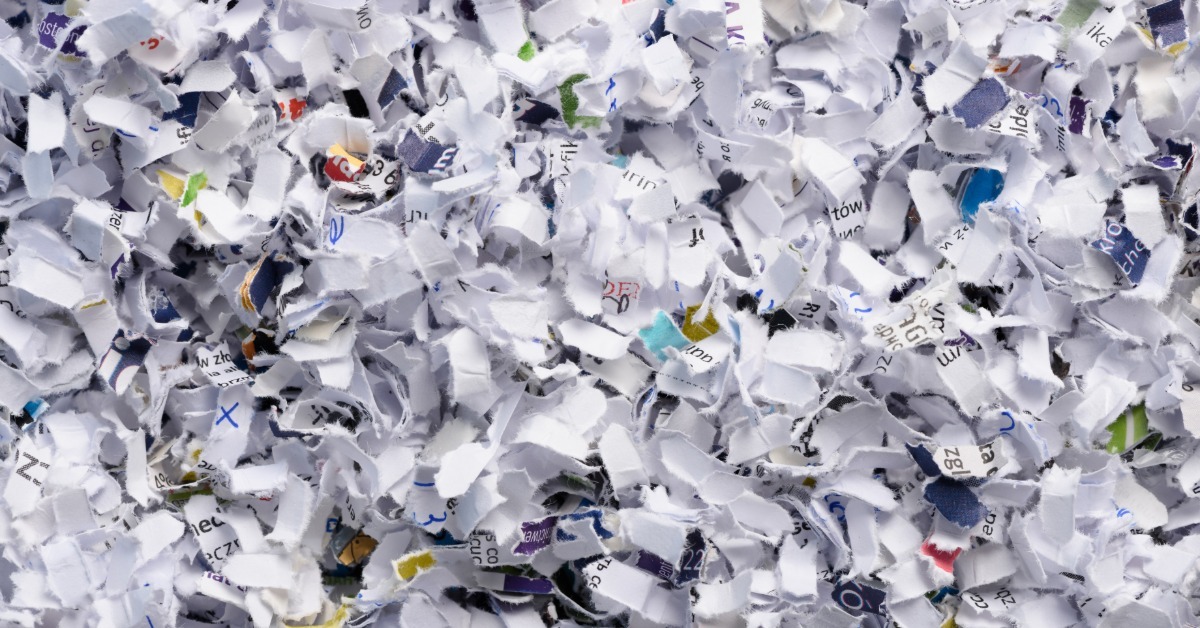
Operations teams often assume a shredder is just a shredder until they compare capabilities. Differences in material thickness, daily workload, and operating conditions quickly reveal why certain machines serve specific environments better than others.
Understanding how each type functions helps businesses choose equipment that supports productivity while preventing damage to equipment or workflow disruptions. This guide explores the differences between industrial shredders and office shredders.
Industrial Shredders
Industrial shredders support high-volume material reduction in warehouses, distribution centers, and manufacturing operations. Below, we’ve detailed some of the primary benefits of this type of shredder.
Built for High-Volume Material Processing
Warehouses and production facilities generate a steady stream of packaging waste throughout the workday. Corrugated boxes, packing materials, and damaged packaging components accumulate quickly when shipments move in and out of the facility at high volume.
Industrial shredders use powerful motors and reinforced cutting assemblies designed for continuous workloads. Operators feed materials consistently throughout the shift without worrying about overheating or frequent stoppages. This capability allows facilities to maintain clean work areas while keeping pace with production demands.
A Bonus
High-volume material processing also improves waste management. Shredded material occupies far less space than bulky boxes or packaging debris, helping facilities organize recycling and disposal processes more efficiently.
Handles Thick and Dense Materials
Industrial environments deal with materials that standard office shredders cannot safely process. Corrugated cardboard, rigid plastic packaging, and dense shipping materials require machines built for strength rather than occasional use. Attempting to process these materials in a light-duty shredder would quickly damage the cutting system.
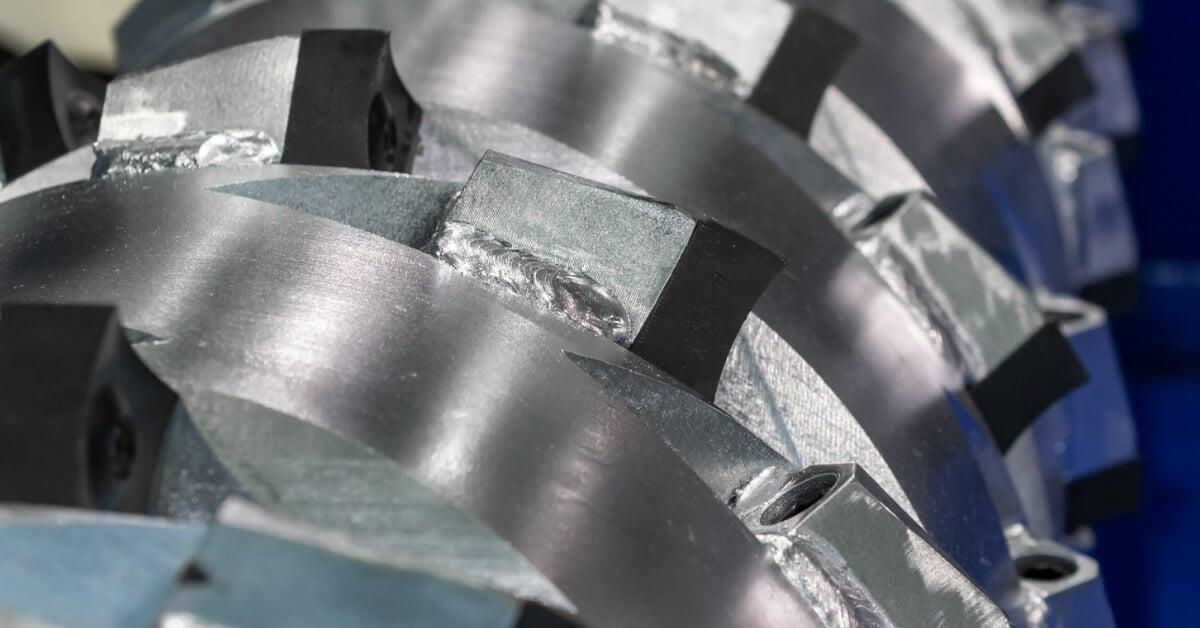
On the other hand, industrial shredders use hardened steel blades that tear through thick materials without losing cutting efficiency. The cutting assemblies generate significant torque and pressure during operation. This power allows the machine to break down bulky packaging into manageable pieces.
Shredding thick packaging materials plays an important role in warehouse waste reduction programs. Facilities that regularly handle packaging materials rely on shredders to reduce the material's size before recycling or disposal. Smaller material volumes improve handling efficiency and help maintain organized recycling zones.
Continuous Operation in Warehouse Environments
Packaging operations rarely stop producing waste during active shifts. Every order that moves through a packing station generates corrugated scraps, protective materials, and other packaging components. Without a reliable way to process that material, waste quickly spreads across work areas, slowing productivity.
Industrial shredders support continuous operation throughout the day. Their heavy-duty motors and cooling systems allow them to run for extended periods while maintaining stable performance. Operators can feed materials regularly without worrying about cooldown cycles or system overload.
Why It Matters
Employees can dispose of waste immediately rather than stacking materials nearby while waiting for shredding capacity to become available.
Integration with Packaging and Recycling Systems
Many warehouses incorporate shredders into broader waste reduction and recycling strategies. Instead of treating shredding as a separate task, facilities often position the equipment close to packing lines or waste collection zones where packaging materials accumulate throughout the day.
Teams may feed cardboard directly into shredders near packing stations, allowing material to move from shipment preparation to recycling with minimal handling. In other facilities, employees collect packaging materials and transport them to centralized shredding areas where operators process waste in larger batches.
Office Shredders
Office shredders support document security and light-duty shredding tasks within administrative environments. Below, we’ve detailed several reasons to buy an office shredder.
Designed for Paper Document Destruction
Offices primarily use shredders to destroy sensitive documents containing confidential information. Financial records, client files, internal reports, and printed communications often require secure disposal to protect business operations and customer data.
Employees typically shred documents throughout the day as part of routine administrative work. The equipment allows organizations to maintain document security without storing unnecessary paperwork or relying on external disposal services.
Unlike industrial shredders, office machines focus almost entirely on paper-based materials. Their cutting systems handle standard office documents effectively but cannot process dense packaging materials or heavy waste streams.
Compact Size for Office Spaces
Office shredders prioritize convenience and space efficiency. Most machines feature compact designs that fit easily beneath desks or beside workstations. This accessibility allows employees to dispose of documents immediately, rather than transporting them to a central disposal area.
Manufacturers also design these machines for quiet operation. Administrative environments require equipment that does not interrupt phone calls, meetings, or daily office communication.
The compact footprint makes office shredders practical for small teams and shared workspaces. Multiple departments can keep shredders nearby without sacrificing valuable office space.
Limited Run Time and Sheet Capacity
Office shredders process smaller quantities of material than industrial machines. Employees typically feed only a few sheets at a time, and the equipment operates in short shredding cycles rather than continuously.
Most machines limit the number of sheets operators can insert during a single pass. After several minutes of use, the motor may require a cooldown period before shredding can continue. This operating pattern works well in offices where employees shred documents periodically rather than process large volumes.
Security Levels for Sensitive Documents
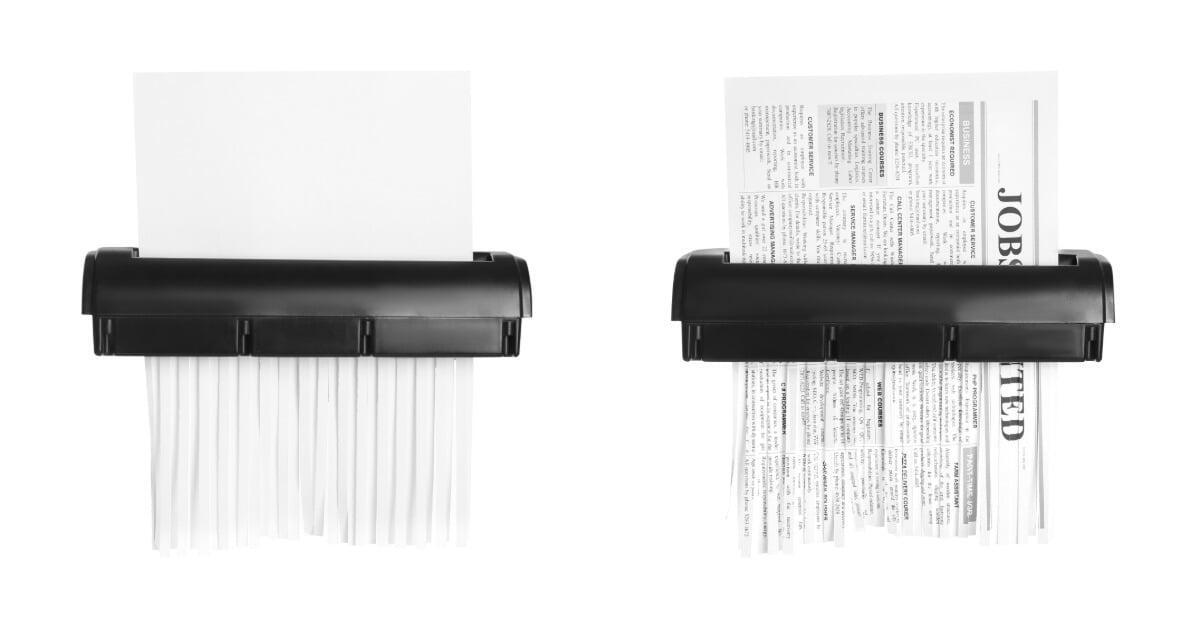
Document security plays a major role in office shredding equipment. Many machines offer different cut styles designed to prevent the reconstruction of sensitive information after disposal.
For example, strip-cut shredders slice paper into long vertical strips, which provides basic document destruction. Cross-cut shredders shred documents into smaller pieces, improving information security. Micro-cut shredders produce extremely small particles, making reconstruction nearly impossible.
Organizations that handle confidential information often select machines with more advanced cutting styles. These security features allow businesses to maintain privacy standards while protecting sensitive documents.
Which Is Best for Your Operation?
Knowing the difference between industrial shredders and office shredders is the first step to evaluating your options; you should also consider your company's needs. Selecting the wrong machine can lead to equipment damage, workflow interruptions, or inefficient waste handling. Several key factors to consider when deciding whether to buy an industrial or office shredder include the following:
- Type of material you'll shred
- Daily shredding volume
- Required operating time during work shifts
- Available floor space for equipment
- Integration with recycling or packaging workflows
- Maintenance requirements and service support
Facilities must assess their operational needs before selecting shredding equipment. For instance, a distribution center that handles packaging waste requires a much stronger machine than an administrative office that occasionally destroys paper files. Material type, daily workload, and operating conditions all influence what equipment works best.
Shop for Shredders
Shredding equipment should support the materials and workflow your operation handles every day. Offices benefit from compact machines designed for document security, while warehouses and distribution centers often require heavier-duty solutions that efficiently process packaging waste.
PackSmart sells industrial shredder machines that reduce waste buildup, improve recycling processes, and support a cleaner workspace. Equipment specialists can help evaluate your shredding needs and recommend solutions that align with your operational goals.