

Shipping and storing products safely is more than just stacking boxes on a pallet. Too often, improperly wrapped pallets lead to shifting loads, crushed boxes, and damaged products, which cost time, money, and customer trust. These problems happen frequently with tall, heavy, or irregular shipments, where a small mistake can affect the entire load. Knowing how to wrap a pallet efficiently for shipping and storage ensures every load stays stable, secure, and professional-looking.
Anchor the Load at the Base
The base of the pallet carries the entire weight of the load, making it the most critical area for stability. Wrapping the bottom tightly secures the load to the pallet and prevents sliding during transport. You should also cover each corner and edge to create a strong foundation that the rest of the wrapping process can build on.
As you anchor the load base, begin by wrapping two to three layers of film around the base, ensuring it clings firmly to both the pallet and the bottom boxes. For uneven loads, slightly stretch the film around corners to lock them in place. Anchoring the base prevents tipping, eases equipment strain, and protects fragile items above.
Choose the Right Stretch Film
Film thickness, elasticity, and cling strength determine load stability. The wrong choice risks tears, instability, and wasted material.
Here are the main options to consider:
- Hand stretch film is flexible and easy for small or irregular loads.
- Machine stretch film is ideal for heavy or uniform pallets, providing consistent tension.
- Pre-stretched film reduces effort and material use while maintaining a firm hold.
As you shop for a stretch wrap machine, consider the weight, height, and fragility of the load. You may need to use a film that’s thicker or has weather-resistant properties if you have pallets that face moisture or outdoor conditions, as this can weaken the film’s hold. Choosing the right film reduces the risk of shifting and ensures a professional, secure pallet.
Pro Tip
If you have a fragile load, use a film with higher cling rather than extra thickness. It secures the load without over-compressing boxes.
Apply the Correct Tension
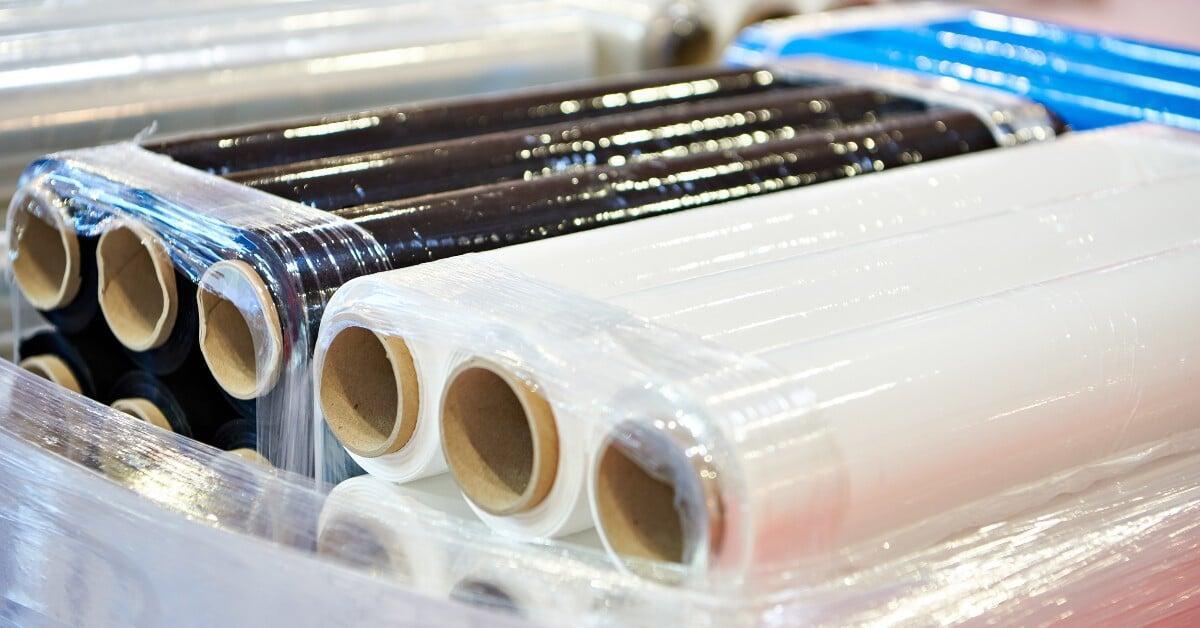
Achieving the proper tension ensures the pallet is secure without damaging the contents. Insufficient tension causes shifting, while excessive tension crushes fragile items.
When applying stretch film to a pallet, you should adjust the stretch carefully based on your load. Heavy or dense pallets need a firmer wrap to keep boxes from shifting, while delicate items require a gentler approach to prevent damaging items. Apply the film evenly from the base upward, checking as you go for any areas that might loosen.
Pro Tip
If you have fragile loads, like glassware, start with a lighter layer and reinforce the upper sections more firmly to maintain stability without causing damage.
Use the Cross-Pattern Technique
Tall or uneven pallets may tip during shipping and handling, potentially damaging the container or the items inside. Diagonal wrapping, also called the cross-pattern or “X-wrap,” distributes the weight more evenly and reinforces the structure. This method keeps tall pallets from leaning and adds resistance against shifting during transport.
To apply this technique, wrap diagonally from one corner to the opposite, forming an “X” across the sides of the pallet. Then, complete vertical layers over the cross pattern to secure the entire load. This combination works exceptionally well for pallets with mixed-size boxes or irregular shapes.
Wrap From Bottom to Top With Overlap
Wrap from the base to the top, overlapping each layer by about 50 percent to ensure complete coverage, strengthen the load, and prevent gaps where boxes could shift. Proper overlap also protects against dust, moisture, and minor impacts during handling.
Finish by wrapping two to three layers around the top, fully covering the uppermost boxes, and pressing the film firmly to create a tight, secure seal. For taller pallets, consider extra layers around mid-height for additional stability. This approach ensures the pallet remains intact from the warehouse to its final destination, providing peace of mind and reducing shipping damage.
Reinforce Corners and Edges
Another tip for properly wrapping a pallet for shipping and storage is to reinforce all the corners. Corners and edges are the most vulnerable areas, especially for heavy or fragile pallets. Without reinforcement, boxes can become crushed, and the load may shift during transport. Reinforcing these points strengthens the pallet and protects the products inside.
Common reinforcement methods include:
- Corner boards or edge protectors add structural support.
- Cardboard sheets provide cushioning between boxes.
- Tightly wrapped film around reinforcements helps lock the load together.
Effective reinforcement techniques ensure pallets withstand rough handling while safeguarding their contents. For delicate or high-value loads, pairing sturdy corner protection with soft cushioning between layers adds an essential layer of security and minimizes damage risks.
Pro Tip
Reusable corner boards are ideal for high-volume warehouses, saving time while ensuring consistent protection and reducing waste.
Use the Right Tools
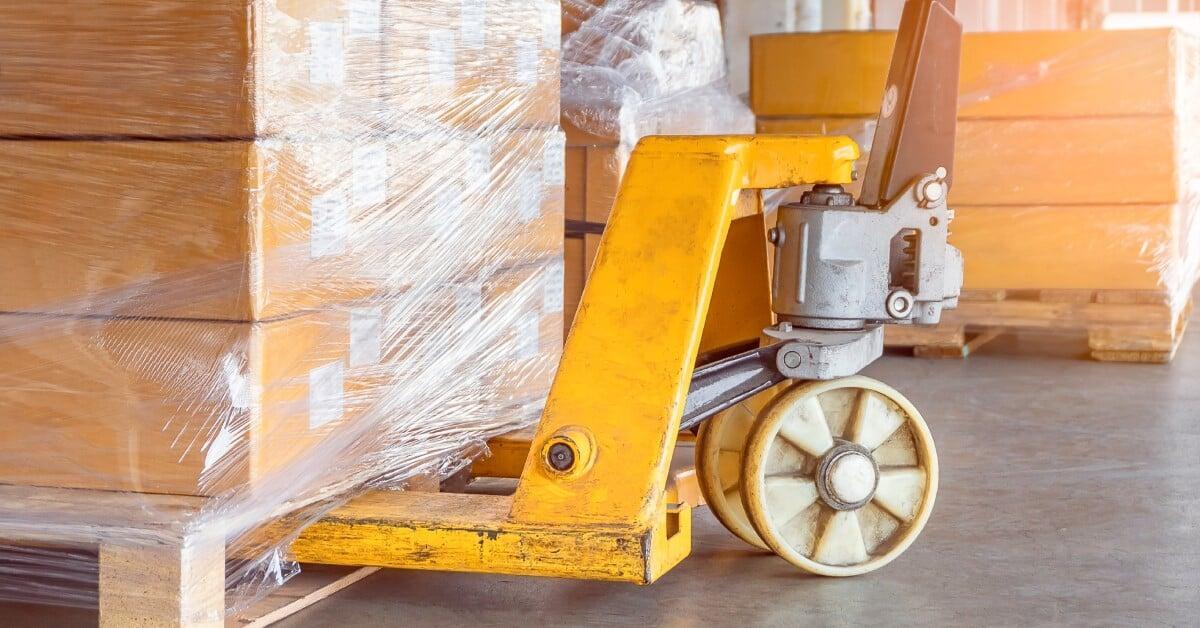
The tools you use can make pallet wrapping faster, easier, and more consistent. For example, stretch film dispensers reduce strain, maintain even tension, and allow smoother application. Using the right dispenser saves time and effort, especially when wrapping multiple pallets.
Some common tools to use include:
- Stretch film dispensers
- Pallet wrappers
- Corner protectors
- Edge protectors
- Load securing straps
- Pallet covers
Ensuring your team has the right tools allows for safer, more reliable wrapping while improving productivity across the operation.
Pro Tip
For smaller loads, handheld dispensers provide precise control and flexibility. Larger pallets or high-volume operations benefit from pole-mounted or automatic dispensers, which maintain tension consistently and minimize fatigue.
Add Extra Security When Needed
Some pallets need more than stretch film to remain secure. Shrink wrap or pallet banding provides additional protection by securing heavy, irregular, or fragile loads, shielding products from dust, moisture, and other environmental factors. Making packaging extra secure also adds stability, keeping boxes firmly in place during transport.
Shrink wrap tightly conforms to the pallet, creating a barrier against dust, moisture, and tampering. In some cases, you can also use banding—plastic or metal straps wrapped around the load—to hold boxes together and prevent shifting during transport.
Order Packing Essentials
Efficient pallet wrapping protects your products, ensures stability, and boosts operational efficiency by preventing damage and streamlining transport. Investing a few extra minutes in proper wrapping saves significant time, money, and stress.
At PackSmart, we understand the importance of protecting what matters most. Whether you're securing delicate items or high-value loads, our expertise ensures your shipments arrive safely and efficiently.