
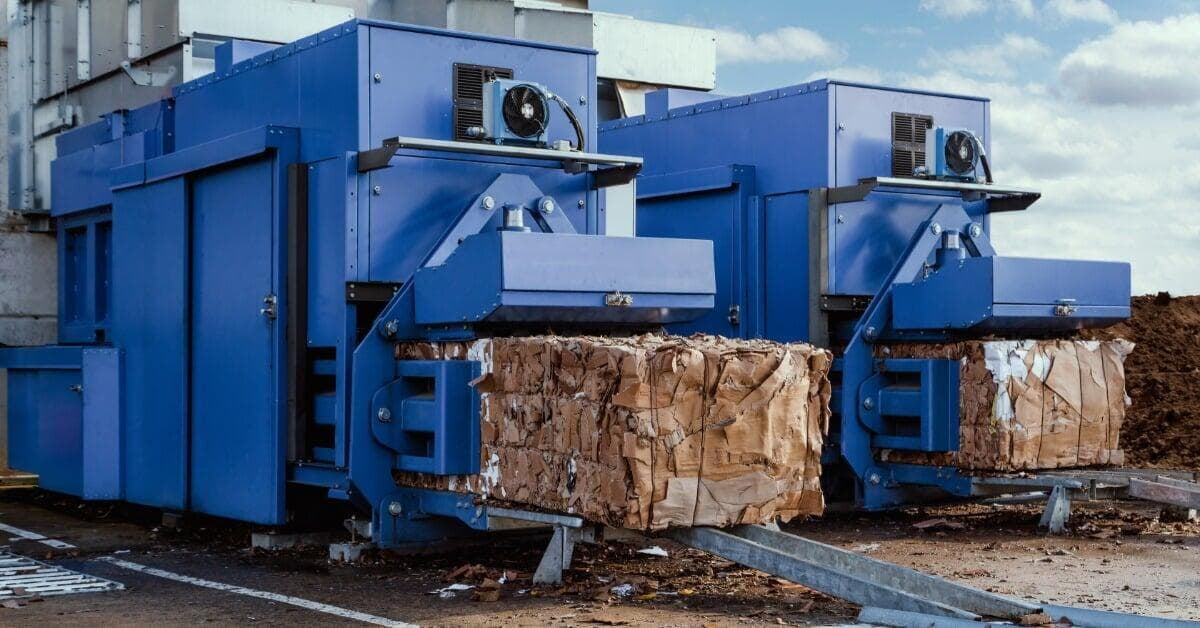
Warehouse waste varies in volume, material type, and the amount of floor space available for handling it. A machine that fits one facility could interrupt work in another if the feed opening or bale output doesn’t match the operation. To select the right baler size, warehouse managers have to evaluate how recyclable material moves from the work area to the baling station and eventually leaves the building.
Measure the Waste Volume
Start by estimating how much recyclable material the warehouse produces during a typical shift, then account for busy periods that push output above the average. A receiving operation that breaks down cartons throughout the day places a steady demand on a baler. By contrast, a facility that produces most of its cardboard after scheduled deliveries experiences concentrated periods of use. Recording waste volume across several representative days gives managers a realistic view of the workload.
Capacity has to reflect that workload. A unit with limited chamber capacity forces employees to load and cycle it repeatedly when cardboard arrives in large batches. Excess capacity introduces equipment that the operation may not use efficiently. The goal is to match the baler to the pace at which loose material reaches the waste area.
Match the Chamber to the Materials
Material characteristics affect the amount of chamber space an operation uses. Large corrugated cartons occupy substantial room, especially when employees handle boxes from industrial parts or bulk shipments. Thin paper and flexible film behave differently, allowing workers to place a substantial amount of material into the chamber.
Review the primary waste stream and note the typical dimensions of loose material before comparing chamber specifications. If staff members constantly fold, cut, or tear cartons to fit the opening, the baler may slow the disposal process even when its overall capacity looks adequate. A chamber suited to the material lets employees load waste with minimal additional handling steps and maintains a steady flow.
Compare Bale Weight With Pickups
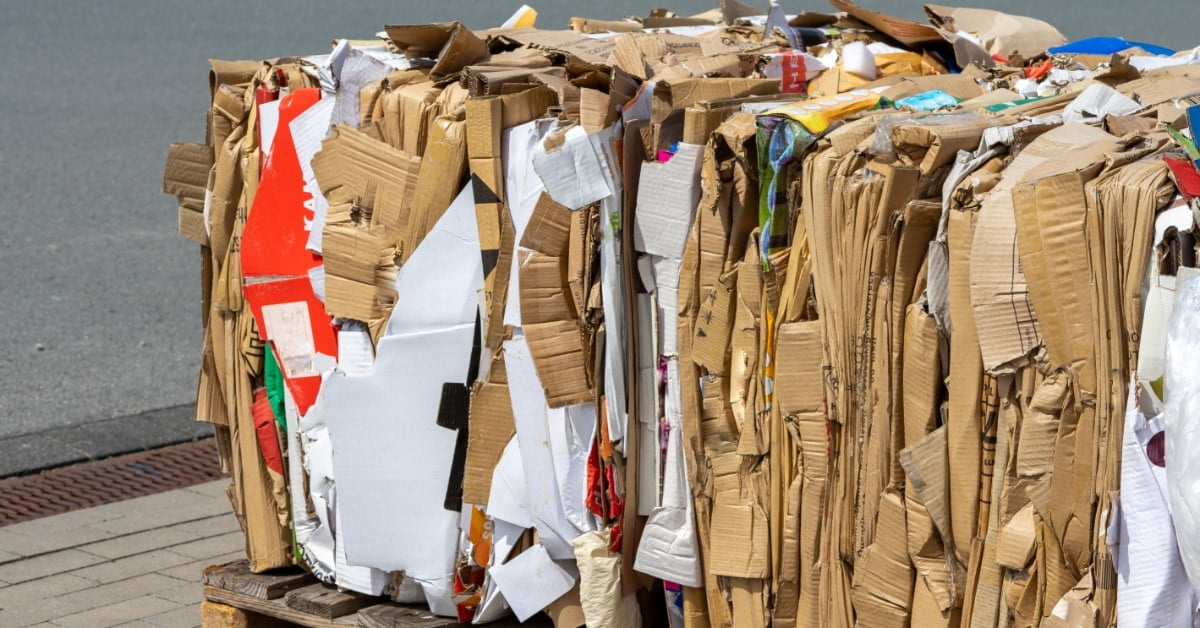
Baler size affects the dimensions and weight of the finished bale, and those characteristics influence how the warehouse stores and removes compacted material. Recycling companies or waste partners may have requirements for the bales they collect, so warehouse managers need to discuss the acceptable bale specifications before selecting equipment. That conversation connects the baler decision to the disposal process that follows compression.
Consider how frequently the facility schedules pickups and how much material it wants to hold between collections. Small bales occupy individual storage positions quickly when waste volume runs high, whereas large bales concentrate an ample amount of material into each finished unit. The right output fits the warehouse’s collection arrangement without leaving finished bales in active staging or travel areas.
Check the Feed Opening
The loading opening determines what employees can place into the machine during each cycle. Warehouses that process large corrugated boxes benefit from an opening that accepts their common carton sizes with minimal preparation. If the opening is too narrow or shallow, employees spend extra time breaking boxes into small pieces. This adds another task to the waste-handling process.
Observe the cartons and other recyclable materials that reach the baling area throughout a shift. Measure representative pieces in their flattened condition, particularly those that appear regularly in receiving or unpacking operations. Comparing those dimensions with the feed opening helps managers judge whether a baler fits the actual material stream.
Measure the Installation Area
Available floor space sets a firm boundary for equipment selection. Measure the intended baler location. Then, account for the room employees use to load material, remove finished bales, perform routine inspections, and access nearby work areas. A machine may fit within the measured footprint and still interfere with pallet travel or employee movement if the surrounding area lacks working clearance.
Vertical equipment uses height as part of the compaction process, so overhead clearance deserves the same attention as floor dimensions. Check ceilings, lights, pipes, ductwork, sprinklers, and doors around the proposed location. Reviewing the entire operating area prevents a sizing decision that works on paper but conflicts with the warehouse layout after installation.
Account for Loading Frequency
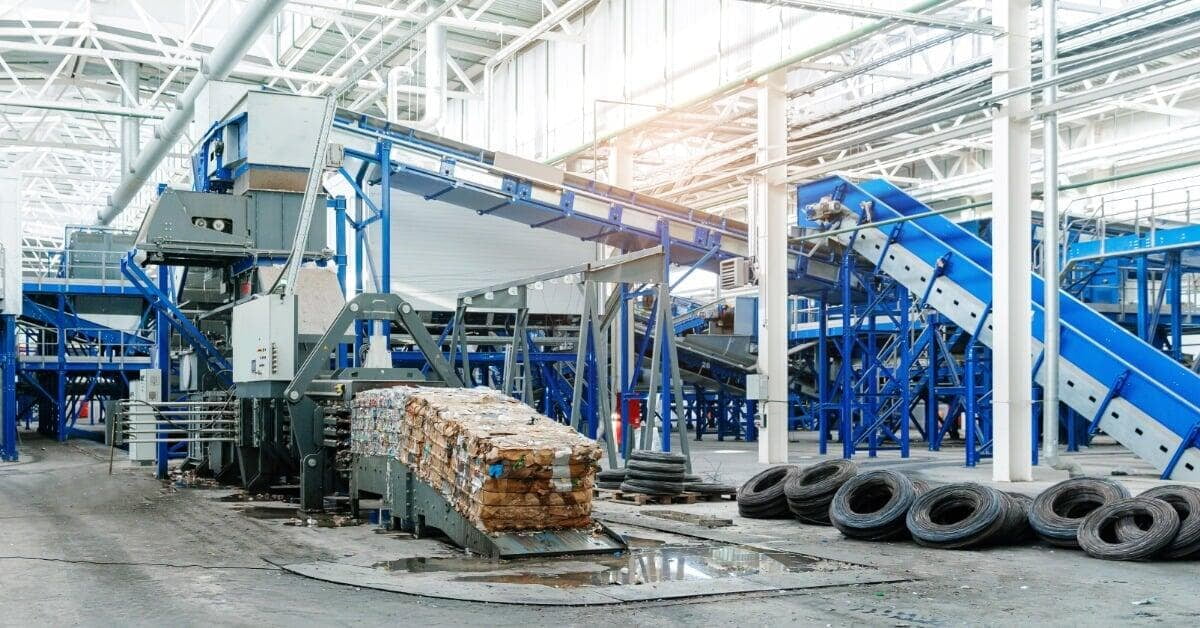
The number of times employees visit the baler during a shift gives another indication of the capacity the operation requires. A waste station near a high-volume unpacking line may receive cardboard continuously, whereas a remote storage area may accumulate material for scheduled disposal runs. These patterns influence how quickly the chamber fills and how frequently staff members initiate a compression cycle.
Track who loads the machine, when material arrives, and whether cardboard tends to accumulate before employees have time to process it. Frequent backups suggest the operation may benefit from a capacity that handles large batches within the existing workflow. Low loading frequency may point toward a compact unit that manages the waste stream without occupying unnecessary warehouse space.
Plan for Finished Bale Handling
A finished bale still has to leave the machine, move through the facility, and reach its storage or pickup location. Before selecting size, review the equipment employees use for that process. Bale weight and dimensions have to work with available pallet jacks, forklifts, carts, dock areas, and any other material-handling resources involved in removal.
Map the route from the baler to the holding area and look for tight turns, narrow doorways, ramps, or congested aisles. The machine’s output has to travel through those spaces without disrupting nearby tasks. Considering bale movement during equipment selection connects compaction capacity with the warehouse’s existing handling process and prevents the baling station from shifting a waste problem to another part of the facility.
Choose Capacity Around the Workflow
Baling equipment that suits the facility’s operations will streamline the workflow. By identifying waste volume, loading patterns, finished bale handling, and available space in the warehouse, managers will be able to select the right baler size with ease.
PackSmart offers industrial vertical baler options for facilities that process cardboard and other compatible recyclable materials. Contact PackSmart to discuss waste volume, available space, and operating requirements with a team that can identify equipment suited to the warehouse’s operations.