
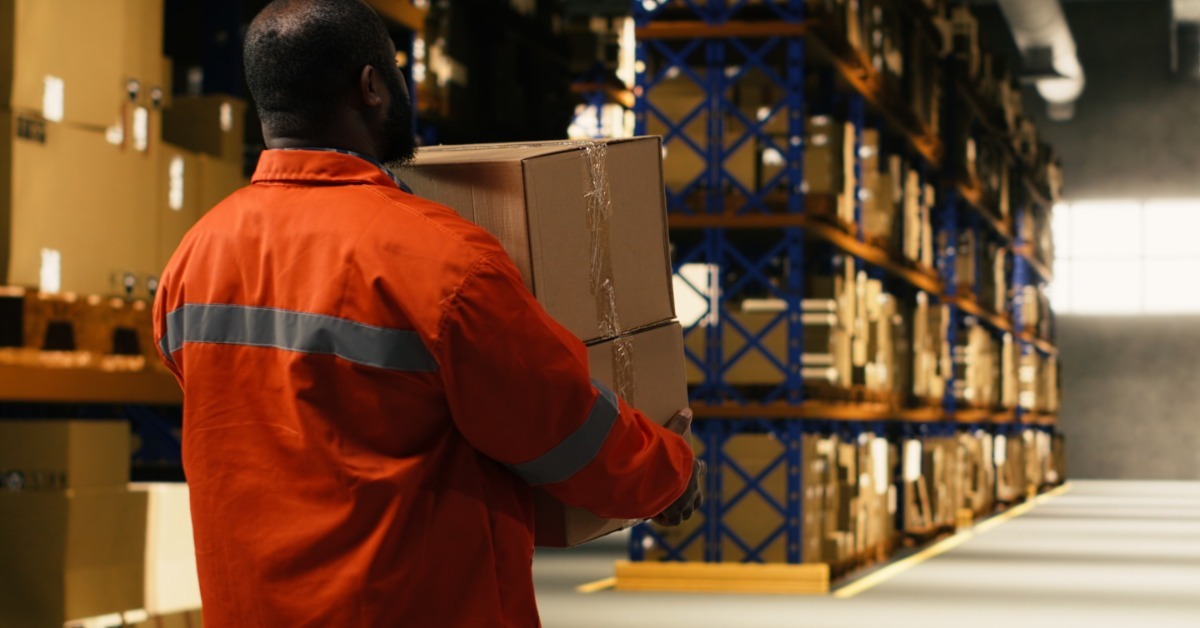
Packaging waste can accumulate across a supply chain in ways teams may not notice right away. A slightly oversized box or too much void fill may seem minor on a single shipment, but those habits add up over hundreds or thousands of orders.
Reducing waste means choosing the right packaging, using it consistently, and ensuring every step supports the next. Warehouse teams can make meaningful improvements by examining where waste starts, how teams use materials, and where better processes can reduce unnecessary excess. Here is how to reduce packaging waste across your supply chain.
Audit Where Waste Starts
A packaging waste audit gives your team a clearer view of what happens across the operation. Instead of guessing, walk through the process of receiving, storage, packing, palletizing, shipping, and returns. Look for areas where employees throw away damaged materials, repack orders, overuse supplies, or adjust packaging because the first setup did not work.
This review should focus on patterns, not one-time mistakes. If packers regularly use large boxes for small items, the issue may come from poor carton selection or limited box options at the station. If employees add extra tape or film, they may not trust the current seal, wrap pattern, or load stability. Once you understand the source, your team can fix the process rather than just asking people to use less.
Right-Size Packaging for Each Product
Choosing the right-sized container is one of the best ways to reduce packaging waste across your supply chain. Box size affects material usage, pack time, load planning, and damage prevention.
Oversized packaging creates waste before the order even leaves the facility. A large box usually requires more void fill, takes up more storage space, and may reduce the efficiency with which products fit on pallets or in trailers. It can also allow items to shift during handling, increasing the risk of product damage.
Right-sizing helps teams match the package to the product without removing needed protection. The smallest box is not always the best choice, especially when the product needs cushioning or support during transit. When teams choose packaging that fits the item and its protection needs, they reduce empty space without compromising the shipment's security.
Match Materials to the Application
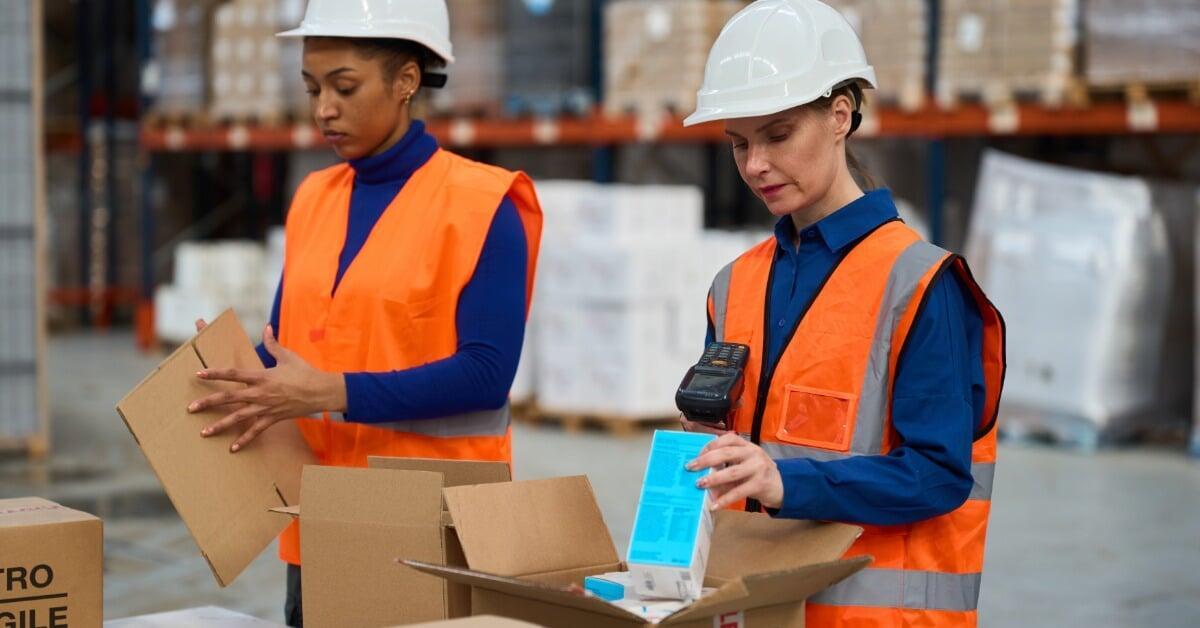
Waste often increases when teams use packaging materials that do not match the product. For instance, a fragile item may need cushioning that absorbs impact, while a heavy item may need stronger containment or reinforced support.
Material selection should start with the product’s weight, shape, fragility, and shipping conditions. A lightweight product may only need a simple void fill to control movement. A heavier or irregular product may need more structured support to prevent shifting or damage.
Why It Matters
When the material does not fit the job, employees often compensate by adding more of it, wasting company resources and money.
Reduce Excess Void Fill Without Risking Damage
Void fill should control movement inside the package. It should not make up for poor carton sizing or unclear packing instructions. When teams rely on filler to solve every packaging issue, they often use more material than the product needs.
Review common product types to understand how much protection each one actually needs. Some items need cushioning for impact, while others only need enough fill to stay in place during handling. Clear packing guidance helps teams use the right amount of material without guessing or cutting protection too far.
Standardize Packing Methods
Different packers may package the same item in different ways, especially when teams handle high order volume or rotating shifts. One employee may use extra tape, another may add more paper, and a third may choose a larger carton to move faster. These small differences make material usage harder to control.
Clear packing standards reduce that variation by giving employees a process they can repeat. Your team can create simple instructions for common product types, including the right carton size and fill level for each one. Visual examples at the packing station can also show employees what a properly packed order should look like. Consistency helps reduce waste and makes training easier for new or seasonal employees.
Teams can start with a short list of packaging habits that often lead to waste:
- Using cartons that leave too much space
- Adding void fill without checking product movement
- Applying more tape than the carton requires
- Repacking orders because materials sit too far from the station
- Wrapping pallets more than needed because loads lack stability
Use Equipment to Control Material Use
Manual packaging tasks can create variation, especially when employees need to move quickly. Equipment can help teams apply materials more consistently across repetitive tasks. Case sealers, stretch wrappers, strapping machines, bagging systems, and case erectors can all support waste reduction when they fit the workflow.
For example, a case sealer can apply tape in a consistent pattern, which helps reduce over-taping. A stretch wrapper can control film tension and wrap cycles more accurately than hand wrapping. Bagging equipment can improve sizing and sealing for certain products. The equipment should match the product, volume, and process, but the right setup can help teams reduce material overuse while maintaining steady output.
Improve Palletizing and Load Containment
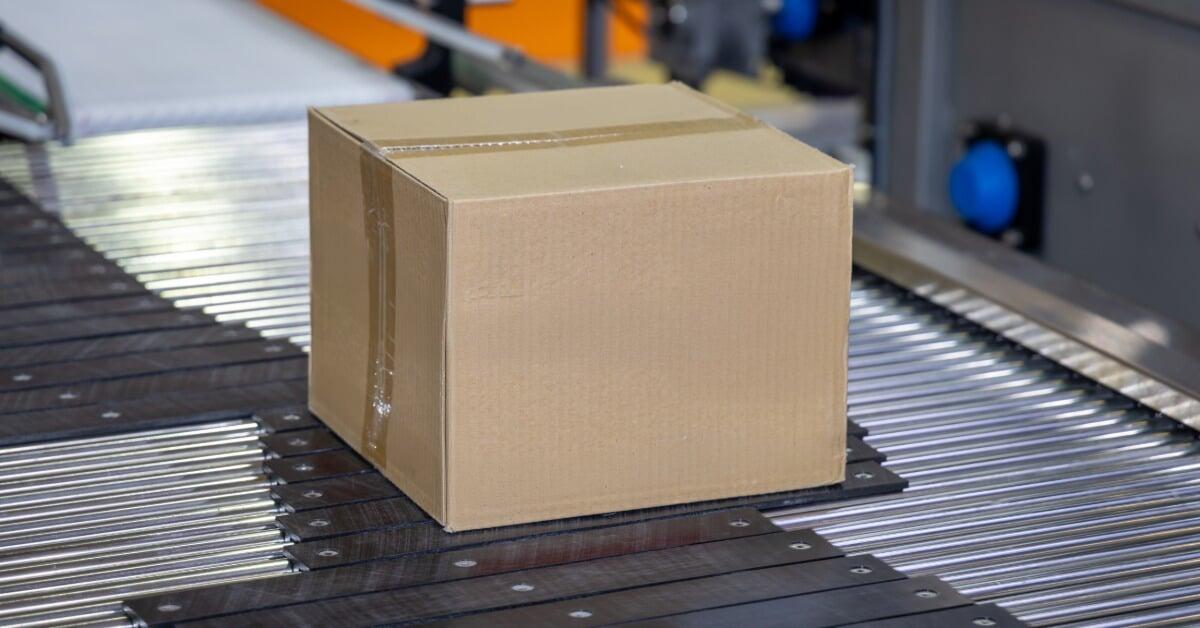
Packaging waste can continue after individual orders are packed, especially when pallets lack stability. Poor stacking often causes teams to rely on extra stretch film or added support materials to keep loads secure. Those quick fixes may help in the moment, but they usually point to a palletizing issue that needs attention.
Review how teams build each load, including the stack pattern, weight balance, and film settings. A stronger pallet structure helps products move through storage and transportation with fewer problems. When the load stays secure from the start, teams can reduce damage, rewrapping, and material waste before shipments leave the facility.
Track Progress Over Time
Packaging waste can continue after individual orders are packed, especially when pallets lack stability. Poor stacking often causes teams to rely on extra stretch film or added support materials to keep loads secure. Those quick fixes may help in the moment, but they usually point to a palletizing issue that needs attention.
Review how teams build each load, including the stack pattern, weight balance, and film settings. A stronger pallet structure helps products move through storage and transportation with fewer problems. When the load stays secure from the start, teams can reduce damage, rewrapping, and material waste before shipments leave the facility.
Build a Smarter Packaging Process
Reducing packaging waste requires better decisions at each step, from package sizing and material selection to storage, equipment, and load containment. PackSmart offers industrial packing solutions that help warehouse teams evaluate packaging materials, equipment, and workflows that fit their operation. When each part of the process works together, teams can reduce excess while still protecting products.