
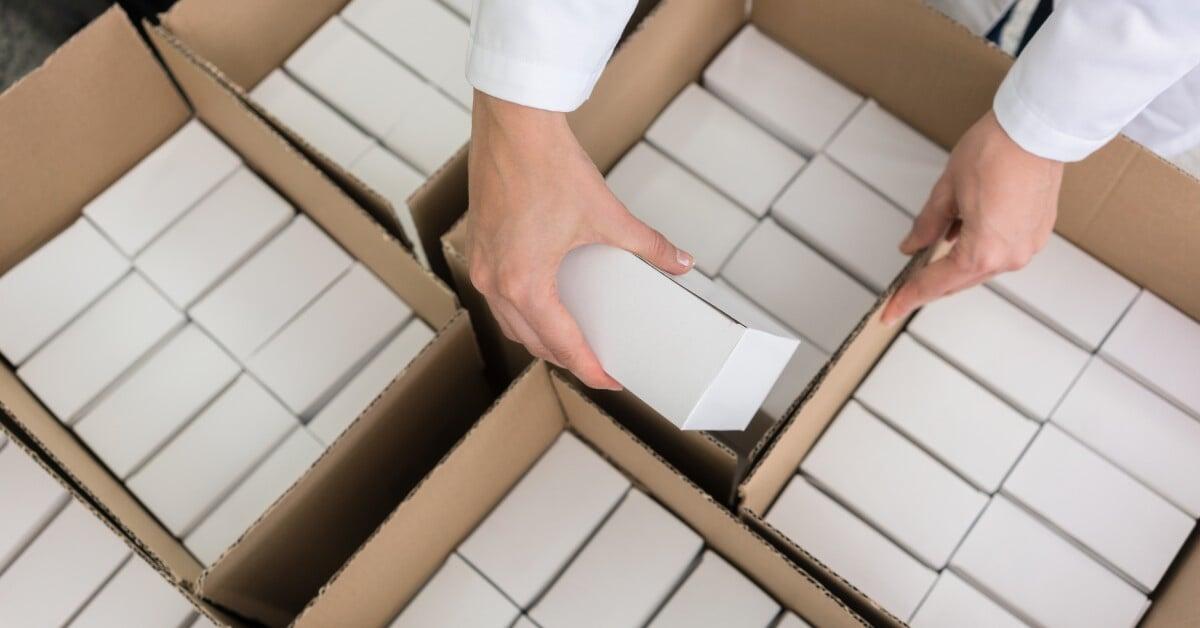
Damaged shipments cost businesses a fortune each year, and many of these losses stem from a simple oversight: improper packaging. Businesses often underestimate the role that void fillers play in protecting their products during transit. This article will walk you through how to pick the best void fillers for your business, focusing on product safety, cost efficiency, and customer satisfaction.
Understand Void Fillers and Their Importance
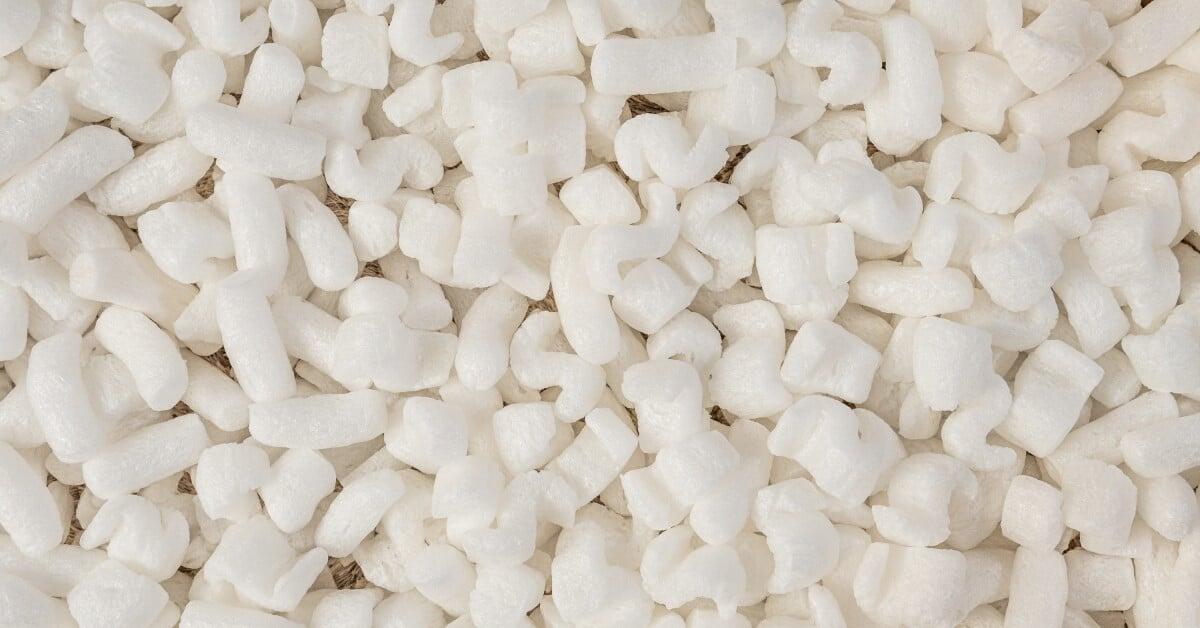
Void fillers are materials used to fill empty spaces within a shipping box. Common examples include air pillows, packing peanuts, foam inserts, and various types of paper. Their primary function is to prevent products from shifting, protecting items from impacts, vibrations, and other hazards encountered during their journey.
The right filler material influences your shipping costs, supports your sustainability goals, and shapes your customers’ unboxing experience. Choosing the appropriate filler also reduces product returns and damage-related expenses, while signaling to customers that your brand values quality and attention to detail.
Pro Tip
Thoughtful packaging choices can turn even routine shipments into a positive, memorable interaction with your brand.
Assess Your Product’s Needs
Consider the fragility, weight, shape, and size of the products you ship; if you work with various items, note this information for each one. By detailing specifics about your goods, you can select the right void material to pack with it to prevent damage. Examples include:
- Fragile items (e.g., glassware, electronics, ceramics): Use rigid or form-fitting materials such as custom foam inserts or molded pulp to provide excellent shock absorption.
- Moderately delicate items (e.g., small appliances, home decor, figurines): Use lightweight foam, bubble wrap, or crinkle paper for balanced protection.
- Durable or soft items (e.g., clothing, textiles, plush toys): Flexible options like kraft paper, small air pillows, or packing peanuts are ideal.
- Heavy or irregularly shaped items (e.g., machine parts, tools): Combine sturdy fillers like foam inserts with cushioning paper to prevent shifting and absorb impacts.
Balance Cost With Protection
Finding the right balance between cost and protection is a constant challenge for warehouse managers. Overpacking with expensive fillers drives up material and shipping costs, while underpacking leads to damaged products, returns, and unhappy customers. The goal is to find the most cost-effective solution that provides adequate protection.
Proper void fill material reduces the costs associated with product damage and returns. Lightweight fillers such as air pillows can also reduce dimensional weight charges from carriers, saving you money on shipping. Carefully analyze the total cost of each option, which includes the material itself, the labor to use it, and its effect on shipping fees.
Consider Shipping Conditions and Environmental Factors
As you evaluate void materials, consider the journey your packages will take. The shipping distance, mode of transport, and potential exposure to different climates all affect which void filler is best. A package traveling across the country via ground freight will experience more vibration and temperature changes than one sent via a local courier.
For long-distance shipments or those passing through humid climates, moisture-resistant fillers like plastic air pillows or specially treated paper are a wise choice. Likewise, if you ship items that are sensitive to temperature fluctuations, use insulated packaging materials. This ensures your products remain protected and arrive in the same condition they left your facility, regardless of the challenges they face in transit.
Prioritize Sustainability and Eco-Friendly Options
Customer demand for sustainable packaging is on the rise, and your choice of void filler reflects your company's commitment to the environment. Luckily, many eco-friendly alternatives—such as biodegradable, recyclable, and reusable fillers—perform just as well as traditional, less sustainable options. Some options include:
- Shredded paper: Often made from recycled content and is easily recyclable
- Cornstarch peanuts: A biodegradable alternative to traditional polystyrene peanuts that dissolves in water
- Air pillows: While made of plastic, they are mostly air, reducing plastic use and shipping weight. Many are also recyclable at designated drop-off locations.
Switching to sustainable options might involve an initial slight increase in material cost, but the brand benefits and appeal to eco-conscious consumers often outweigh the expense. Over time, this change can increase your brand reputation and make customers more likely to buy from you, increasing your profit margins.
Optimize Storage, Handling, and Automation
The physical characteristics of void fillers affect your warehouse operations. Some materials, such as packing peanuts or loose-fill paper, require large storage bins and can be messy. Others, such as on-demand air pillow systems, occupy very little room until inflated, freeing up valuable warehouse floor space.
Your packing process influences which void fillers work best. For example, if your facility uses automated packing lines, choose void fillers that integrate seamlessly with your machinery. Air pillow and paper-dispensing systems fit directly into your workflow, boosting packing speed and efficiency in high-volume operations.
Enhance Product Presentation
Another tip for picking the best void fillers for your business is to consider the unboxing experience; this could be the first physical interaction a customer has with your product and brand. A messy, disorganized package can create a poor impression, even if the product arrives safely. The void filler you choose contributes directly to this presentation.
Neat and visually appealing options, such as crinkle-cut shredded paper, custom-cut foam inserts, or even branded tissue paper, can elevate the unboxing experience. This attention to detail shows you care about the entire customer journey, from purchase to delivery. Additionally, a positive unboxing experience reinforces brand value and can boost customer loyalty.
Minimize Weight and Shipping Costs
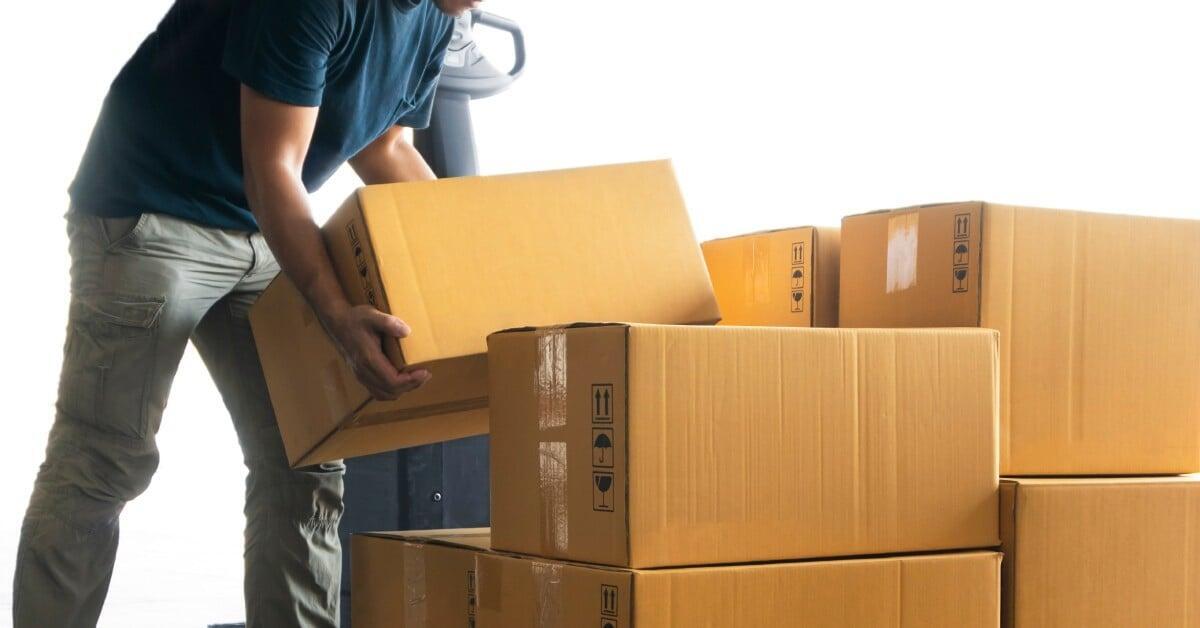
The weight of your packaging materials directly drives your shipping expenses. Heavy fillers, like dense foam or large amounts of paper, can push a package into a higher weight bracket, dramatically increasing costs; this gets expensive when you ship in high volumes. Every pound you add multiplies across your shipments, making even small reductions significant.
Choosing lightweight fillers helps control shipping costs. For instance, air pillows are over 99 percent air, providing reliable protection without adding bulk or weight. Carefully evaluate your options to select the lightest material that still safeguards your products from damage.
Test Fillers and Ensure Flexibility
You should never assume a void filler will work without testing it. Conduct drop tests and trial shipments with your actual products to see how different fillers perform under real-world conditions.
It’s also helpful to choose fillers that offer flexibility. If you ship products in a variety of shapes and sizes, choose a versatile material that can adapt to different packing needs. Examples include kraft paper and on-demand air pillow systems. Sometimes, the best solution is to combine different filler types to achieve optimal protection for complex or unusually shaped items.
Order Packing Materials
Selecting the right void filler is a strategic decision that impacts multiple aspects of your business. Packsmart makes it easy to protect your products with reliable, eco-friendly void fill machines. Browse our selection today and find the perfect materials to streamline your packing process. By carefully considering your product's needs, shipping conditions, costs, and sustainability goals, you can find a solution that works for you.