
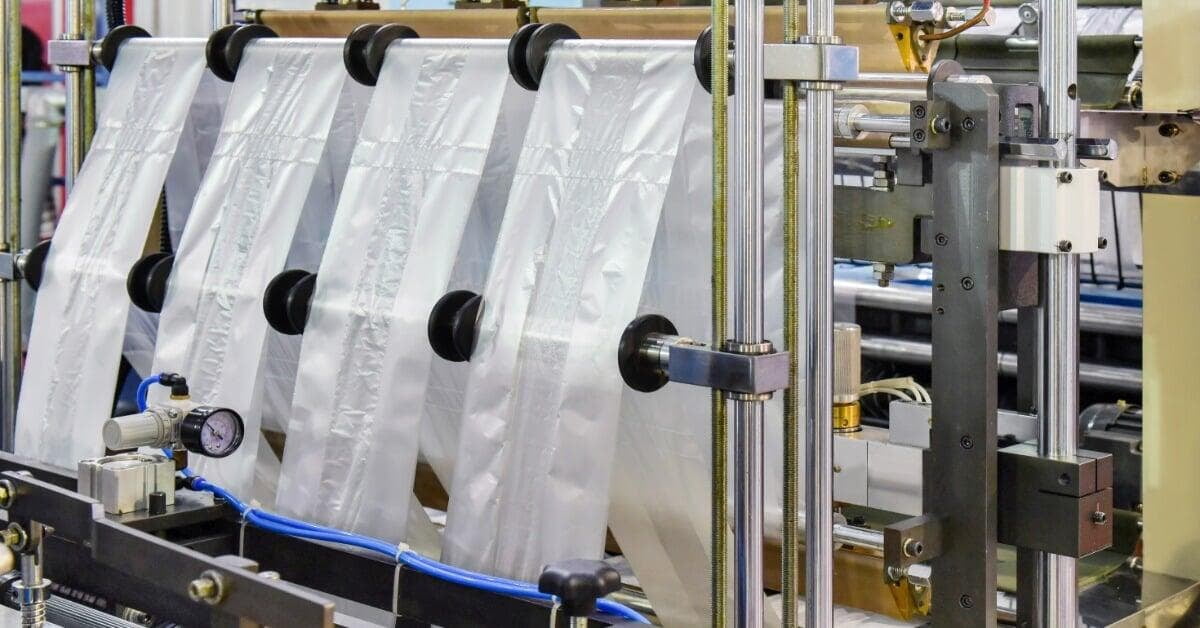
Filling, sealing, and labeling are the primary tasks conducted by bagging equipment. Frequent interruptions delay operations and could damage products. A structured maintenance routine keeps bagging machines running smoothly. By addressing developing issues before they interrupt production, the machine will be able to complete tasks properly.
Clean Contact Areas
Film dust, product residue, adhesive, and small scraps collect around the parts that guide bags through the machine. As buildup increases, bags may drag, track unevenly, or reach the sealing area in the wrong position. Operators can reduce those problems by cleaning accessible contact areas according to the manufacturer’s instructions and the facility’s maintenance schedule.
The sealing area deserves particular attention because residue can interfere with contact between the sealing surfaces and bag material. Power down the equipment before cleaning or inspecting components near heat, moving assemblies, or electrical systems. Using the cleaning method recommended for the specific machine protects sensitive parts from unnecessary damage. A clean operating area gives bags an unobstructed path through each cycle.
Check Film Roll Alignment and Tension
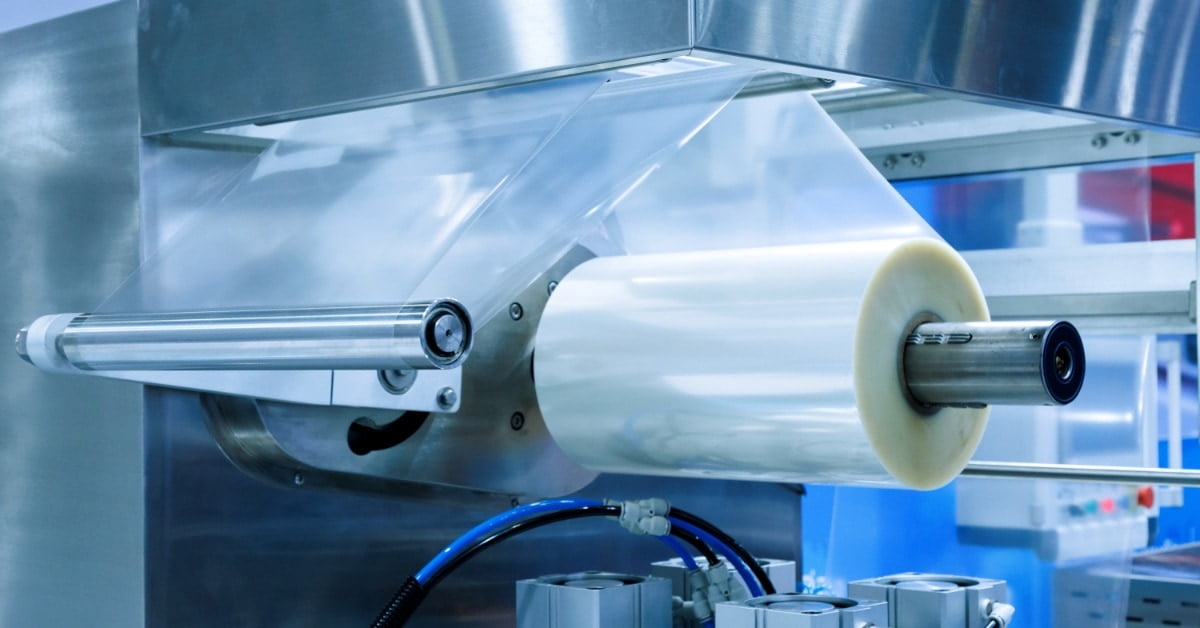
The film roll feeds material into the machine, so poor alignment at the source affects every point that follows. Check whether the roll sits squarely on its holder and whether the film unwinds without pulling toward either edge. Uneven winding, telescoping layers, or visible damage near the roll edge can cause inconsistent feeding before the material reaches the guides.
Watch the film as the machine advances several bags. The material should move with steady tension instead of sagging between components or snapping tight as the roll turns. If tension changes during the cycle, inspect the roll mounting and tension controls for movement or slipping. Correcting the feed at its starting point helps prevent wrinkles and tracking problems downstream.
Evaluate Seal Quality During Production
Finished bags show how consistently the sealing system applies heat and pressure. Examine the seal for gaps, wrinkles, scorched areas, or changes in width across the package. Pull gently at several points along the seal to determine whether one area separates more readily than another.
When a defect appears, compare the failed bag with one that sealed correctly and identify the physical difference. Repeated scorching points toward excessive heat or dwell time. An incomplete bond may indicate contamination, poor contact, or insufficient heat. Checking finished seals throughout the run provides an early warning when performance begins to drift.
Inspect Rollers and Drive Belts for Wear
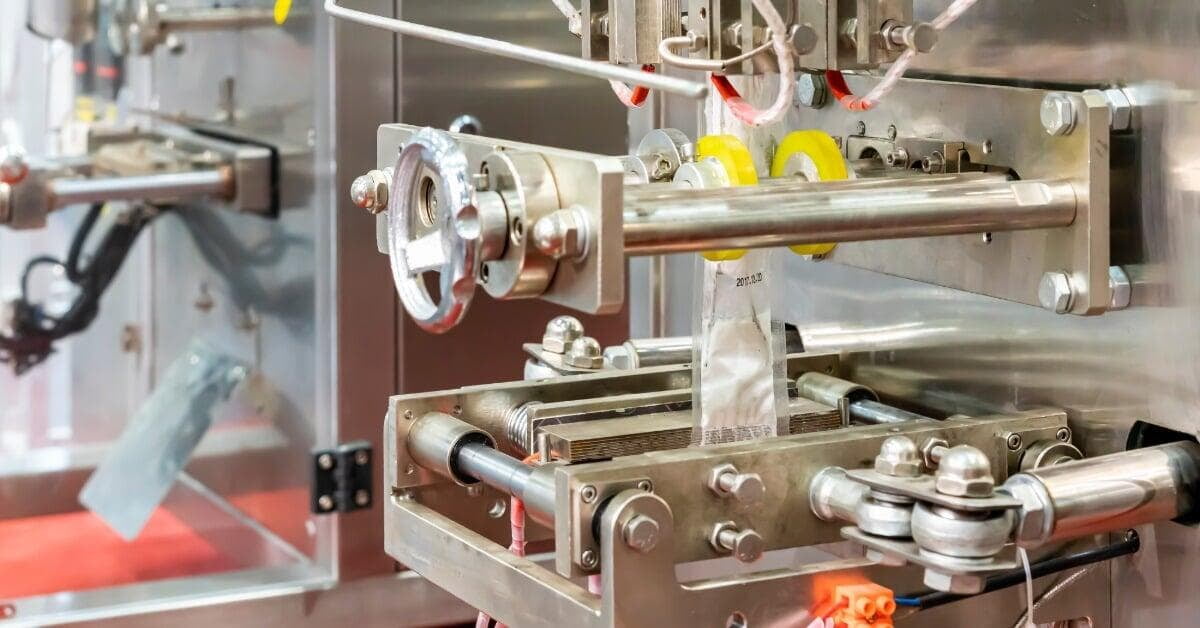
Rollers guide bags and packaging material through the machine, so their surfaces need consistent contact to maintain steady movement. Check each roller for flat spots, surface cracks, residue buildup, or uneven wear that could cause material to slip or drift to one side. Rotate accessible rollers by hand when the machine is safely shut down. Then, look for resistance, wobbling, or rough movement that suggests the part no longer turns evenly.
Drive belts transfer motion between machine components and rely on proper tension to maintain consistent cycling. Inspect the belt surface for frayed edges, cracking, glazing, missing material, or sections that appear stretched. Check how the belt sits on its pulleys, since looseness or uneven tracking may cause slipping and irregular movement during operation.
Maintain Stable Air Pressure
Pneumatic cylinders and valves rely on compressed air to move machine parts through each cycle at the correct force. Watch the pressure gauge as the machine repeats several cycles and note any drop when pneumatic components activate. A pressure loss can leave a clamp or sealer short of its full travel and produce inconsistent motion.
Listen around fittings and tubing connections for hissing that indicates escaping air. Check the moisture trap and filter for buildup that restricts airflow or carries contamination into the system. Drain collected moisture when appropriate and replace a clogged filter before airflow becomes inconsistent. Stable pressure helps pneumatic parts repeat the same motion cycle after cycle.
Clean and Align Photoelectric Sensors
Photoelectric sensors detect bag position and signal to the machine when to advance through its sequence. Dust and product particles collect on the surface. Even a light coating will weaken detection, resulting in missed signals. Wipe the sensor lens carefully when there’s substantial buildup.
When a clean sensor continues to produce inconsistent behavior, check the sensor’s alignment. Confirm that the sensor faces its intended target and inspect the mounting bracket for movement. Run several cycles and watch whether the sensor activates at the same point each time. A signal that appears early, late, or intermittently can indicate that vibration or contact shifted the sensor out of position.
Verify Settings After Product Changes
Changes in product size, bag length, film type, or fill quantity affect how the machine feeds and seals material. Review the saved setup values before starting a new run and confirm that bag length, seal temperature, timing, and feed settings match the current package. Values left from a previous job can cause jams or place the seal in the wrong location.
Run a small group of test packages before releasing full production. Watch the film advance and confirm that the product lands in the intended area before sealing. Change one setting at a time, then run another test so the result remains clear. A controlled setup process simplifies troubleshooting when a new package format behaves differently.
Track Recurring Faults
A maintenance log connects machine behavior with the conditions present when a fault occurred. Record recurring jams, seal failures, sensor faults, and feed problems along with the product and bag material in use. Note the adjustment or repair that restored normal operation so that the next inspection begins with useful history.
Review the log for faults that appear under the same conditions. A feed problem that returns after one particular product change points toward setup or material handling. A fault that appears after extended operation may point toward heat or component wear. Patterns help focus the inspection on the part of the process most closely connected to the symptom.
Schedule Planned Maintenance Service
Routine checks cover visible wear and day-to-day cleanliness, but planned service gives technicians access to internal components and service points. During a maintenance visit, technicians can inspect motors, gearboxes, bearings, electrical connections, and lubrication points for abnormal wear or operation. Testing the machine through complete cycles can reveal performance changes that a stationary inspection could miss.
Protect Bagging Performance
Keeping bagging machines running smoothly requires routine inspection and maintenance. By checking for wear and protecting the sensors, maintenance crews will be able to maintain reliable automated bagging and sealing machines.
If recurring issues show that current equipment cannot uphold operational demands, contact PackSmart. We provide new machines as well as service and repair for packaging equipment. Contact our team to discuss maintenance needs or bagging solutions that match current operations.