
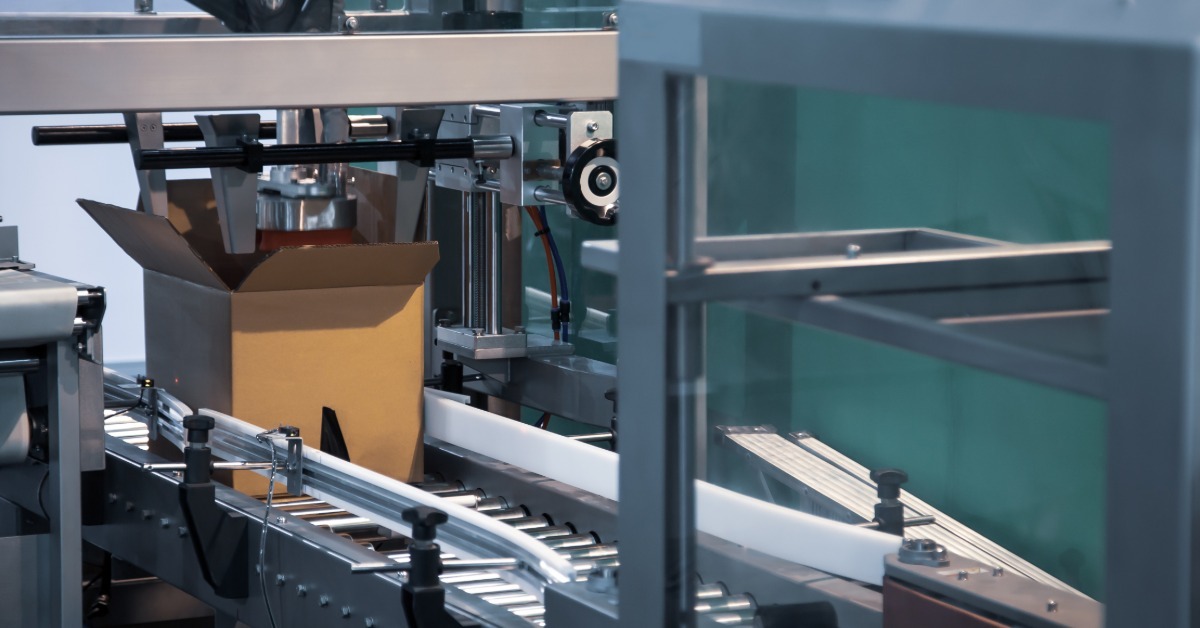
High-volume operations depend on speed, consistency, and control across every step of the packaging process. When teams rely on manual methods to form boxes, even small inefficiencies can slow output and create variability that affects the entire line. As order volumes increase, these issues become harder to manage and more costly to correct.
Automated solutions help teams keep pace with demand while maintaining accuracy and structure. They bring repeatable performance into a process that often struggles with inconsistency under pressure. Understanding how case erectors support high-volume production helps operations identify where automation can strengthen performance.
Reduce Manual Labor on Packing Lines
Manual box forming requires time, attention, and physical effort from operators. Teams must fold, shape, and position each case before packing can begin, which limits how quickly orders move through the line. As volume increases, this process places more strain on workers and slows overall throughput.
Automation removes this repetitive task from daily operations. Instead of focusing on box setup, operators can shift their attention to higher-value responsibilities that keep production moving. This change not only improves efficiency but also creates a more sustainable workflow for teams handling large order volumes.
Increase Packaging Speed and Throughput
Speed plays a direct role in meeting production goals. When teams form cases by hand, output often depends on individual pace and consistency. Even small delays at this stage can create backups that affect the entire packaging process.
Automated systems form boxes at a steady, controlled rate that aligns with production demands. This consistency allows packing and sealing stages to operate without interruption. As a result, teams can maintain higher throughput without sacrificing accuracy or control.
Improve Consistency in Box Formation
Consistent case formation shapes how efficiently products move through the entire packaging line. When boxes come out uneven, with misaligned flaps or weak corners, they don’t stay square during packing or feed properly into sealing equipment. That lack of stability slows operators down, increases the chance of jams, and often results in poorly sealed cartons that fail during transit.
Automated forming eliminates that variability by producing uniform cases with precise folds and consistent pressure. Each box maintains its structure as it moves through filling and sealing, allowing equipment to run without constant adjustments. With stronger, more consistent cases, teams reduce handling issues, improve seal quality, and protect products without relying on excess material to make up for structural weaknesses.
Minimize Downtime During High-Volume Runs
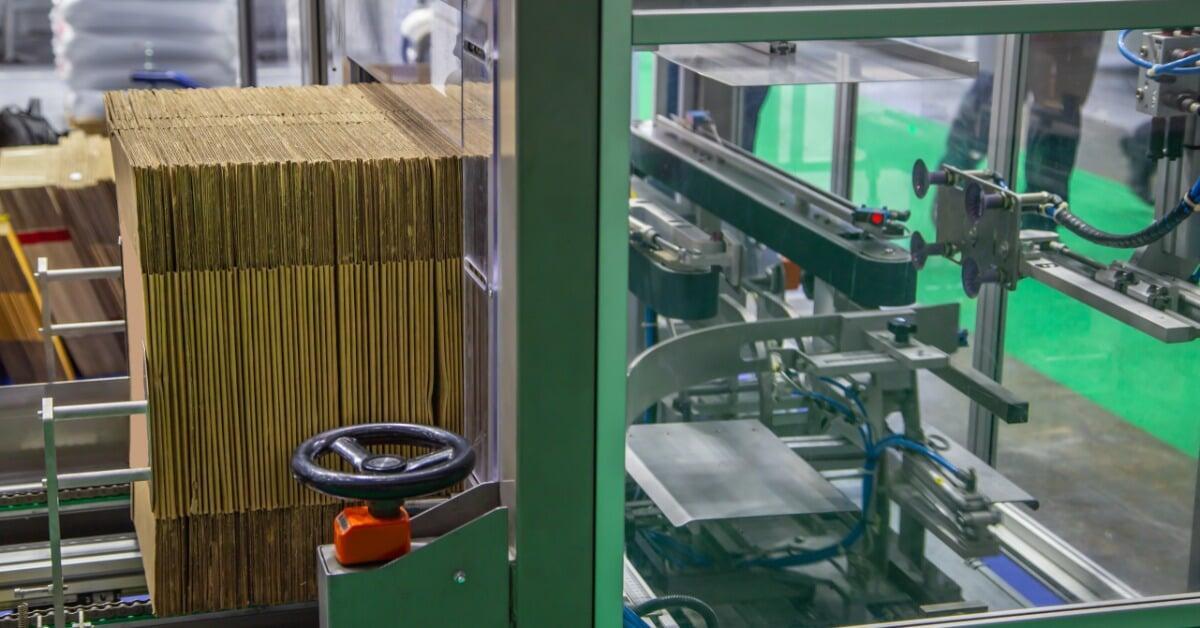
Downtime quickly disrupts production when volume stays high and timelines stay tight. Manual case forming often creates small inconsistencies that force operators to stop and fix issues, such as misfolded flaps or unstable boxes that won’t move cleanly through the line. These interruptions may seem minor at first, but they add up and reduce overall output during long production runs.
Automated forming removes much of that variability by producing cases at a consistent rate and quality. Equipment feeds properly formed boxes into the line, which reduces jams and keeps sealing systems running without constant adjustment. With fewer stoppages and less need for manual correction, teams can maintain a steady pace and keep production aligned with demand.
Support Scalable Packaging Operations
As order volume grows, packaging processes must keep up without creating new bottlenecks. Manual case forming limits scalability because each increase in output requires more labor and coordination. This approach becomes harder to manage as demand fluctuates, especially during peak periods or seasonal spikes.
Automated systems give operations the ability to increase output without rebuilding their workflow. They handle higher volumes at a consistent rate, which allows teams to expand production while keeping staffing levels stable.
Reduce Packaging Errors and Rework
Errors in case formation can ripple through the packaging process. Misaligned flaps, weak folds, or poorly formed boxes often lead to rework or damaged shipments. These issues waste time and resources that we could devote to production.
Automation reduces these risks by standardizing each step of the forming process. Teams benefit from fewer mistakes and more reliable outcomes. In many cases, operations see improvements that we’ve listed below:
- Fewer misformed boxes entering the line
- Reduced need for manual corrections
- Lower material waste from damaged cases
- Improved overall packing accuracy
Streamline Workflow Between Packing Stages
A packaging line works best when each stage feeds the next without delay. When case formation falls behind or produces inconsistent boxes, it forces operators to pause, adjust, or realign materials before packing can continue. These disruptions break the rhythm of the line and create bottlenecks that slow overall output.
Automated case erectors deliver a continuous supply of properly shaped cases at a consistent rate. Each box arrives ready for filling, which allows packing and sealing equipment to operate without interruption. This steady flow keeps every stage connected, reduces handling delays, and helps teams move products through the system with greater speed and control.
Enhance Operator Efficiency and Safety
Case erectors also support high-volume production by making the workplace safer.Folding, bending, and positioning boxes throughout a shift can lead to fatigue, which affects both performance and attention to detail. As fatigue increases, the risk of errors and workplace injuries also rises.
Automation removes much of this physical workload and allows operators to take on more controlled, less repetitive tasks. Instead of forming boxes, they monitor equipment performance and address issues as they arise. This shift improves efficiency by keeping operators focused while also creating a safer environment with fewer strain-related risks.
Maintain Reliable Performance Under Demand
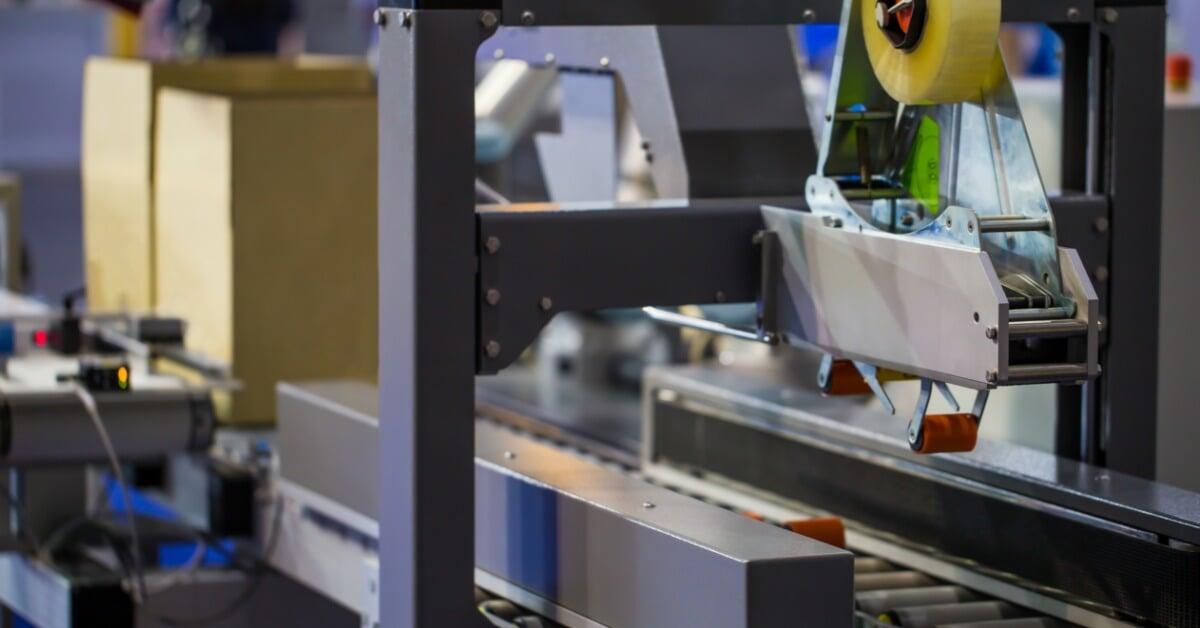
Sustained production volume tests both equipment and processes. Inconsistent case formation introduces variables that can slow equipment down, require frequent adjustments, or cause unexpected stops. These issues make it harder to maintain output when demand remains high.
Automated case forming provides stable, repeatable performance throughout extended production runs. Equipment produces uniform cases at a controlled pace, which keeps the line running without frequent intervention. This consistency allows teams to meet production targets with confidence, even during peak demand periods.
Integrate Easily with Existing Packaging Systems
Introducing new equipment often raises concerns about downtime, retraining, and workflow disruption. If a system does not align with existing conveyors, packing stations, or sealing equipment, it can create more problems than it solves. Operations need solutions that fit into their current setup without forcing major layout changes or slowing production during implementation.
Automated case forming systems are designed to integrate directly with upstream and downstream equipment, including conveyors, pack stations, and case sealers. They deliver cases at a consistent height, orientation, and rate, which allows other machines to operate without adjustment or interruption. This compatibility reduces installation time, limits disruption to daily operations, and helps teams improve efficiency without rebuilding their entire packaging line.
Build a More Efficient Packaging Process
High-volume operations require solutions that support speed, consistency, and reliability across every stage of production. Automation helps teams reduce manual effort, improve accuracy, and maintain steady output under pressure.
PackSmart works with warehouse teams to identify the right solutions for their workflow and production goals. Connect with our team to see how we can support your operation and help you maintain consistent performance as demand continues to grow.