
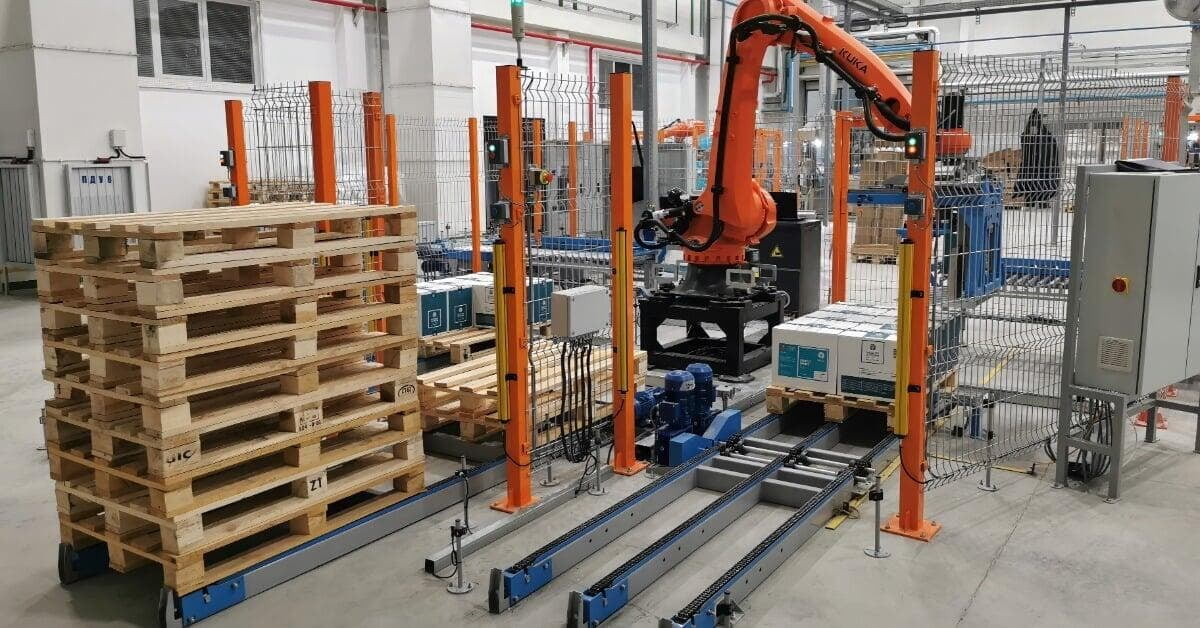
Manual palletizing often works well until higher-order volume puts steady pressure at the end of the line. As cases move faster, the process may require more labor and create delays that affect the rest of the operation. Those added costs may build gradually, making it harder for warehouse managers to see how much the current setup limits productivity.
Automation changes that equation by giving the end of the line a steadier process. A well-matched system can reduce the labor tied to stacking while helping finished loads move toward shipping without delay. Below, we’ve explained how automated palletizing delivers strong ROI.
Labor Savings Begin With Better Use of the Team
Manual palletizing demands constant attention because every arriving case needs a place on the load. As volume rises, managers may add another employee or approve overtime to prevent a backup. Both responses increase labor costs without altering the process limits.
Automation gives managers another way to handle that pressure. The system performs the repeated placement work while an operator watches product flow and responds when the line needs support.
Predictable Output Protects Production Time
Manual output often changes as the shift continues because fatigue affects pace. Experience also matters, since one employee may build a stable pallet faster than another. That variation makes hourly production harder to predict.
An automated system follows the same programmed motion throughout the run. That consistency gives upstream equipment a dependable destination and prevents cases from piling up near the end of the line. Managers can plan around a predictable rate rather than reacting to sudden slowdowns.
A predictable pace also protects shipping schedules. When palletizing keeps up with production, finished loads reach wrapping without a late rush. The warehouse gains useful capacity because the shift can move more product with fewer interruptions.
Consistent Loads Reduce Rework and Damage
A pallet can appear complete even when the load contains structural problems. Gaps between cases may weaken the next layer, while poor alignment can force cartons past the pallet edge. When that happens, employees must stop the line and rebuild part of the load before it moves forward.
Automated palletizing controls placement through a programmed pattern. The machine repeats that pattern without relying on visual estimates, so each layer follows the same arrangement. That repeatability helps the load hold its shape as it moves through the facility.
Better placement can also protect the product inside each carton. A crushed lower case can weaken the load, while uneven pressure can damage packaging before shipping begins. Controlled case movement reduces those mistakes and helps more products move forward on the first attempt.
Reduced Physical Strain Supports Staffing Stability
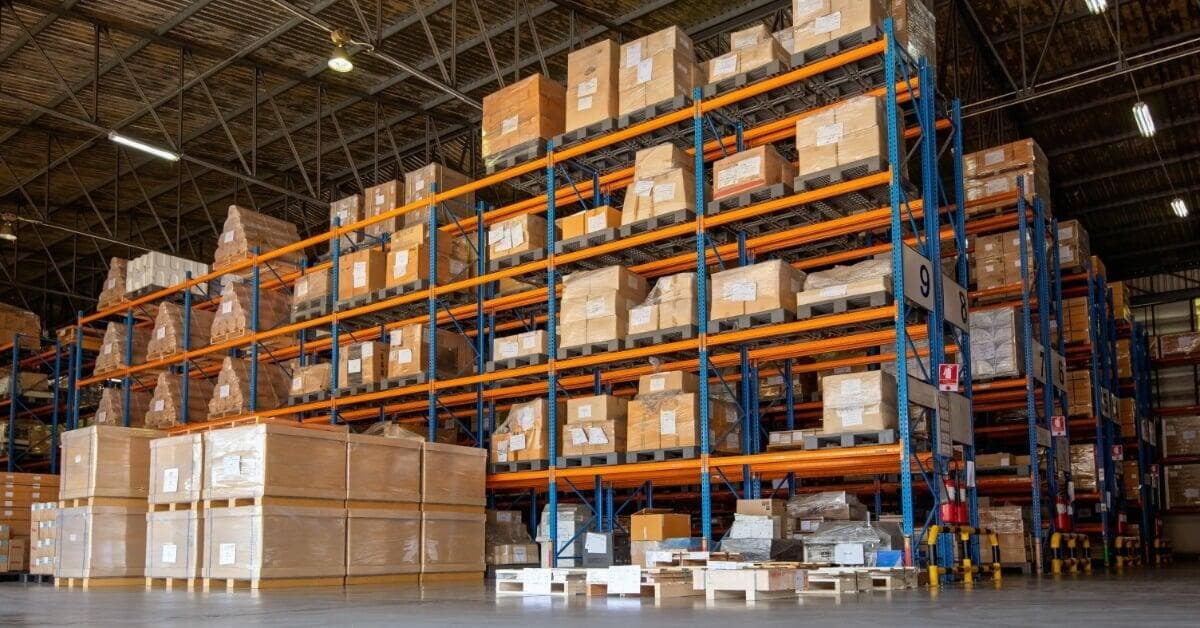
Manual palletizing requires employees to lift throughout the shift while working with varying pallet heights. The motion becomes harder when cases feel awkward or when the line leaves little time for recovery. Over time, that demand can make it difficult for the station to staff consistently.
Automation removes much of the repeated lifting from the job. Operators still oversee the process, but they no longer need to place every case by hand. The change can reduce fatigue and make the role easier to sustain across a full shift.
A more manageable station can also limit frequent reassignment. When employees struggle to keep pace, supervisors often move someone from another area to help. Reducing that need protects productivity beyond the palletizing cell.
Stable Pallets Can Lower Material Use
Another way automated palletizing delivers strong ROI is by reducing the amount of money you spend on materials. For example, when a pallet feels unstable, adding more stretch film can seem like the fastest fix. The extra film may hold the load together for the moment, but it cannot correct gaps or poor case placement underneath. As a result, the operation continues to use more material while the real source of the problem remains.
A well-built pallet gives the wrapper a load that already holds its shape. That stability allows the team to set film usage around the product’s actual needs instead of compensating for inconsistent layers. The savings will vary by application, but stronger pallet construction can reduce overwrapping and make material use more predictable over time.
Reliable Palletizing Creates Room for Growth
Growth often exposes the limits of manual work before managers expect it. A process that handles current volume may fall behind as orders increase, because each additional case creates another lift. Hiring can provide temporary relief, but it also adds training demands.
Automation gives the operation a clearer path to higher output. The palletizer can support more cases without requiring labor at that step to rise at the same rate. That difference matters when the business expects steady growth rather than a brief surge.
The right system also gives managers greater confidence when they take on new work. They can estimate capacity based on a consistent process rather than hoping the team can maintain a faster manual pace. Palletizing then becomes part of the growth plan rather than a limit on it.
A Strong ROI Estimate Starts With the Current Process
A palletizer cannot create a strong return if the rest of the line cannot support it. Cases need a suitable path into the cell, and finished pallets need room to move toward the wrapping area. Managers should study the entire workflow before judging the machine's value.
A useful review starts with operating numbers rather than broad promises. The baseline should show where the current process consumes time or creates avoidable costs. The following measures create a practical starting point:
- Track the labor hours required for manual palletizing during a normal week
- Record how often the station slows upstream production
- Measure the time employees spend rebuilding unstable loads
- Review product damage that begins during pallet construction
- Estimate the volume that the current process must support next year
System Fit Determines Whether the Return Lasts
A fast palletizer will not help if it cannot handle the cases that reach the line. The system must match the product and the required load pattern, while the layout must allow for safe movement. A poor fit can replace one bottleneck with another.
Managers also need to consider how the palletizer will work with nearby equipment. The conveyor must predictably deliver cases, and the wrapper must accept completed loads without delay. When those steps work together, the line gains continuous flow rather than operating like an isolated machine.
Long-term return also depends on reliable service. Regular maintenance protects consistent performance and helps the team address wear before it causes a shutdown. Operator training adds value because employees can respond correctly when the process needs attention.
Build the Business Case Around Real Operating Pressure
Automated palletizing earns its value when it solves a problem the operation already feels. The strongest case may start with labor pressure or a production limit, but the return can grow through better load quality. Managers should connect the investment to those conditions rather than rely on a general promise of faster output.
PackSmart can help your team review the current process and identify the equipment requirements that shape a practical system. That conversation can clarify whether an automatic palletizing machine fits your volume and the way your line operates. Contact our team to discuss an approach that supports today’s workload while leaving room for future demand.