

Order consistency plays a direct role in warehouse performance, customer satisfaction, and overall operational control. When orders vary in quantity, packaging quality, or labeling, teams spend more time correcting mistakes and less time moving product. These inconsistencies often come from manual processes that depend on individual pace and technique rather than a defined system.
Automation removes that variability and creates a repeatable process that teams can rely on every shift. Understanding how automated bagging supports order consistency starts with looking at how these systems standardize each step of the packing process.
Standardized Packaging from Start to Finish
Automated systems apply the same bag size, seal, and configuration every time. This consistency ensures that each order leaves the line with uniform packaging, regardless of who operates the equipment. Teams no longer need to adjust materials or guess at proper sizing during packing.
Standardization reduces rework while improving the overall appearance of shipments. Consistent packaging also makes it easier for teams to spot issues early, before orders leave the facility.
Controlled Fill Quantities Improve Accuracy
Manual packing often leads to variation in the amount of product per order. Even experienced workers may overfill or underfill when trying to keep up with demand, especially during high-volume runs or repetitive tasks. Those small inconsistencies can add up to inventory discrepancies, order errors, and customer complaints.
Automated systems eliminate that issue by using programmed settings to control exactly how much product goes into each bag. Whether the system counts items or measures by weight, each cycle delivers the same precise amount. This level of control keeps orders accurate, reduces product waste, and ensures customers receive exactly what they expect every time.
Reduced Dependence on Operator Technique
Automated bagging also supports order consistency by reducing the dependence on operator technique. Every operator works at a different speed and follows slightly different habits. Those differences show up in packaging quality, especially during long shifts or peak periods.
Automation removes packing variables by guiding the process instead of relying on individual performance. Instead of adjusting to each operator, the system sets the pace and method. A standardized process keeps output consistent across teams and maintains the same results from one shift to the next.
Repeatable Cycles Create Predictable Output
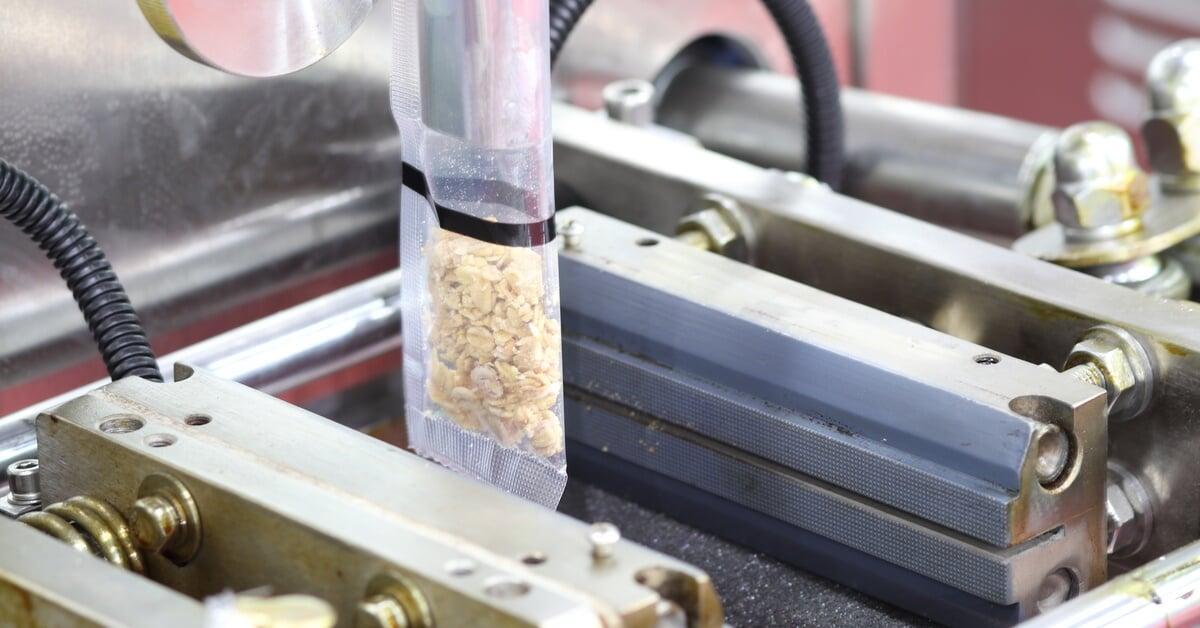
Consistency depends on repeatability, and automated bagging systems deliver the same sequence of actions every time. From loading to sealing, each step follows a defined cycle that does not change unless the program does.
A defined cycle keeps output steady throughout the shift, so teams can rely on consistent production rates. Managers can plan labor more accurately, schedule shipments with fewer delays, and maintain a predictable flow of orders through the operation.
Integrated Verification Reduces Errors
Many automated systems include counting or weighing functions that verify each order before it moves forward. These checks catch mistakes immediately rather than after shipment. That real-time validation improves confidence in order accuracy.
Instead of relying on manual double-checking, the system confirms that each bag meets the required specifications. This reduces returns and helps maintain steady order quality.
Consistent Labeling Improves Tracking
Label placement often varies across manual processes, which can lead to scanning issues or shipping delays. Labels may end up crooked, covered, or placed in different locations, forcing workers to adjust packages or rescan items during processing. Automated systems eliminate that variation by applying labels in the same position with consistent alignment every time.
Moreover, consistent placement allows scanners to read barcodes immediately without repositioning the package, which speeds up sorting and reduces bottlenecks on the line. It also helps prevent missed scans that can lead to routing errors or delayed shipments.
Improved Batch Processing for Multi-Item Orders
Operations that handle kits or grouped items require consistency across all orders in a batch. Manual packing can lead to missing components, extra items, or inconsistent configurations, especially when workers move quickly or switch between SKUs. Automated bagging systems maintain exact counts and item combinations by following programmed sequences for each order type.
Each bag receives the correct components in the correct quantities, preventing mismatched kits and reducing the need for rework. Spot-checking becomes faster, since teams can check a few samples and trust the rest of the batch matches.
Less Variation Across Shifts
Different shifts often produce varying results when processes rely on manual work. Fatigue, pace, and experience all influence how orders get packed. Automation removes those inconsistencies by maintaining the same process regardless of timing.
With a standardized system in place, teams can expect the same output whether the work happens in the morning or overnight. That stability supports better planning and fewer surprises.
Controlled Handling Protects Product Integrity
Handling methods affect both consistency and product condition. Manual packing can introduce variation in how items are placed into bags, potentially leading to damage or uneven presentation.
On the other hand, automated bagging machines handle products consistently, reducing that risk. The controlled placement keeps items in the same position in every bag, preventing shifting during transit and reducing pressure points that can cause damage. That consistency also creates a uniform look across orders, which helps teams quickly spot packaging issues before shipment.
Clear Operational Benefits Across the Floor
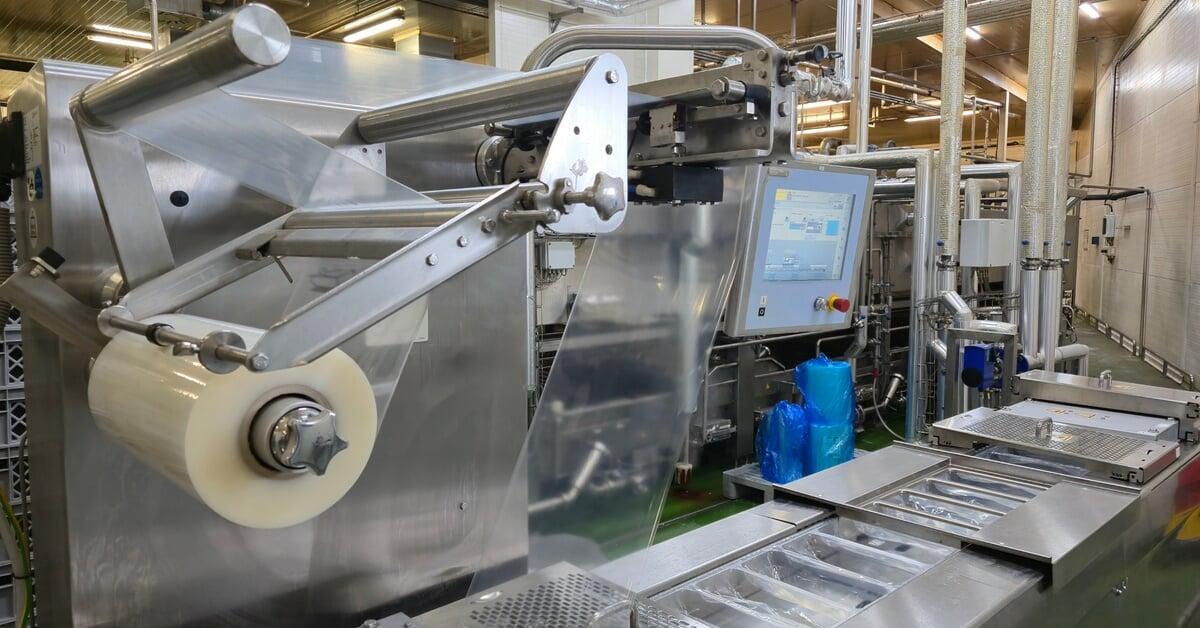
When teams implement automated bagging, the impact shows up across multiple areas of the operation. The process becomes easier to manage, and results become more predictable. Several operational improvements contribute to more consistent output and smoother day-to-day performance:
- More uniform packaging across all orders
- Fewer errors during packing and shipping
- Improved efficiency during high-volume periods
- Easier training for new operators
- Better visibility into production performance
These improvements work together to create a more reliable system. As a result, teams spend less time correcting issues and more time moving product efficiently.
Connecting Automation to Long-Term Consistency
Consistency does not come from working harder; it comes from building processes that remove variation. Automated systems create that foundation by controlling how each order gets packed, labeled, and verified. Over time, this leads to fewer disruptions and more dependable output.
Operations that rely on automation can scale more easily because the process stays the same as volume increases. That makes it easier to maintain quality while meeting demand.
Build a More Consistent Packaging Process
If your operation struggles with inconsistent orders or frequent packing errors, the right automation can make a measurable difference. PackSmart works with warehouse teams to design bagging solutions that fit your workflow and improve consistency at every stage.
Connect with PackSmart to find a system that aligns with your operation and keeps your orders accurate, uniform, and ready to ship. A more consistent process gives your team greater control over daily output while reducing the small errors that slow operations down.