
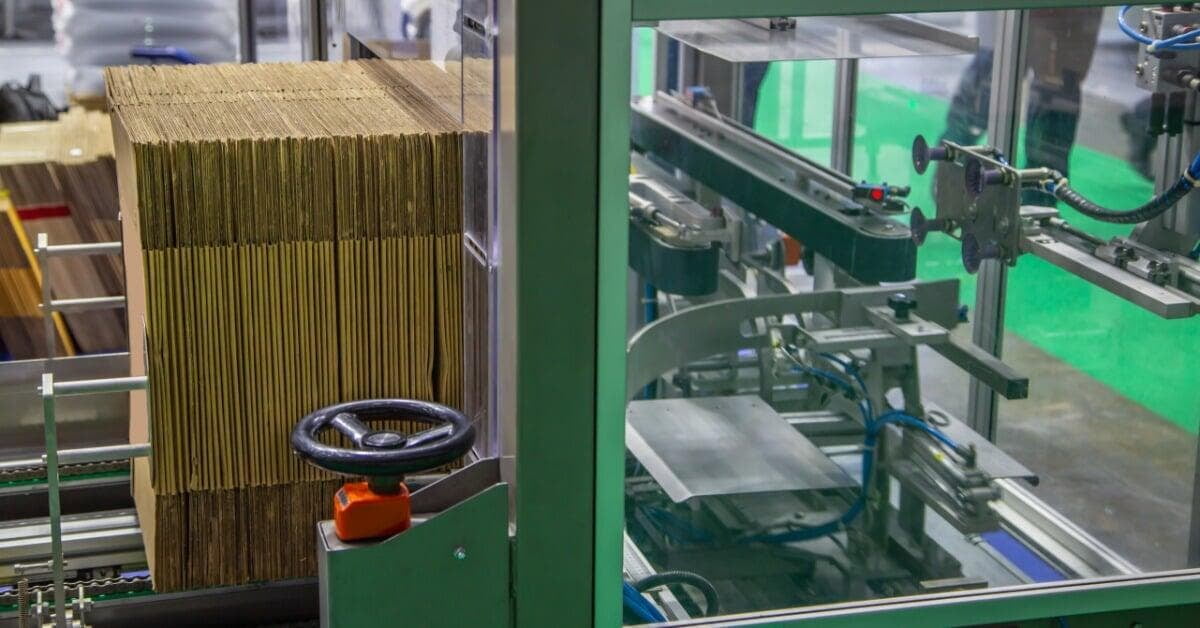
Warehouse teams rely on steady carton flow to keep packing lines moving. When workers handle every case by hand, small delays can ripple through the rest of the process. A case erector helps create a more consistent starting point by opening flat blanks and shaping them into boxes that move into the packing process.
The right machine depends on how your team works each day. Some operations need simple support for lower-volume work. Others need equipment that keeps up with a faster line without adding strain for employees. Before choosing equipment, it helps to understand the different types of case erectors.
Manual Case Erectors
Manual case erectors give workers a simple way to gain more control over the box-forming process without moving to full automation. The operator still handles each flat case blank, but the equipment can help keep the box steady and properly shaped as it moves into packing. For teams with lower daily volume, a manual setup can make case forming feel more organized without adding unnecessary machine complexity.
Lower-volume packing areas often benefit from equipment that improves consistency while keeping the process hands-on. A manual setup can also help reduce minor issues that arise from rushing, such as an uneven case shape or awkward handling at the station. As volume increases, workers may spend too much of the shift preparing boxes rather than packing products, which can signal the need for a more automated option.
Vertical Case Erectors
Vertical case erectors form boxes upright, making them a natural fit for many top-loading packing areas. Instead of asking workers to open each box before product placement, the machine presents a formed case in the position the team already uses. That setup can make the transition from forming to packing feel more direct.
In busy packing areas, having upright cases ready at the station can eliminate a small but recurring delay in the process. Workers can keep their attention on product placement instead of stopping to shape each box.
Vertical equipment can also support a straightforward path from packing to sealing. Once the product is in the case, the box can proceed to the next step without additional turning or handling. When the equipment aligns with how the line already moves, the packing process often feels easier to manage.
Semi-Automatic Case Erectors
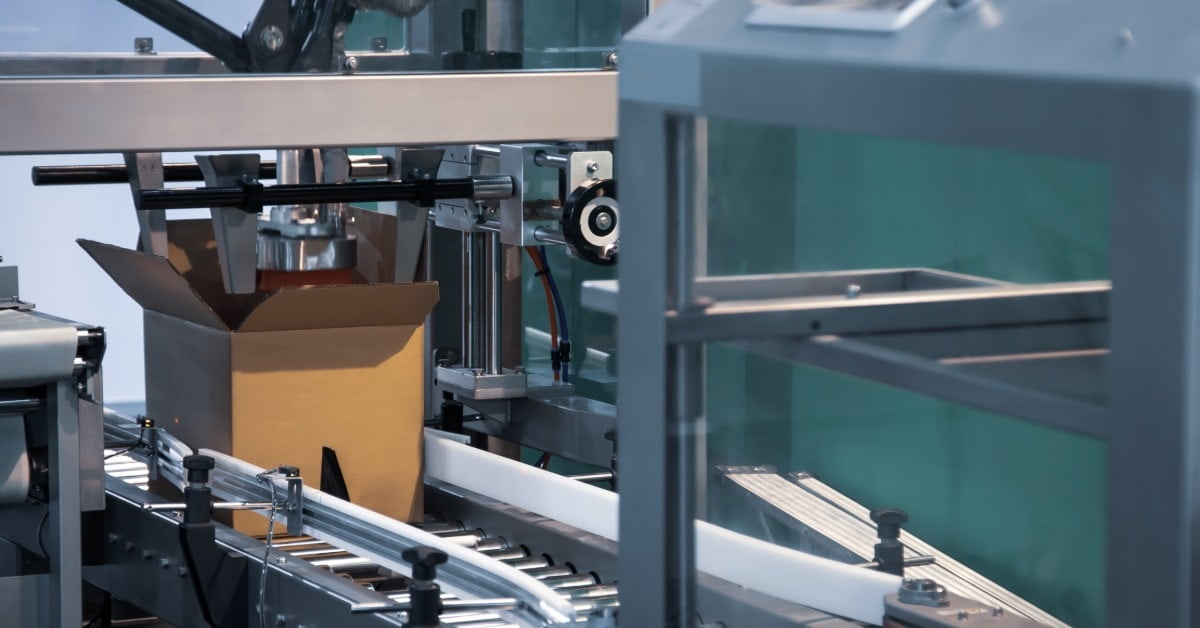
Semi-automatic case erectors help reduce the strain of hand-forming boxes while still giving operators control over the process. In many setups, a worker loads the case blanks and keeps the machine supplied as each box moves through the forming process. The equipment handles the more repetitive part of the work, which can make the packing area feel steadier without requiring a fully automated line.
When comparing the different types of case erectors, semi-automatic models often serve as a practical middle point. They can improve flow without forcing a major change to the packing area, making the first move into automation easier for many teams to manage.
Fully Automatic Case Erectors
Fully automatic case erectors handle the repetitive work of opening and forming boxes, helping packing lines maintain a steadier pace. The machine pulls flat blanks from a magazine, forms each case, and presents it for packing while the operator focuses on monitoring the process. Instead of building boxes by hand throughout the shift, workers can spend more time keeping products moving.
Higher-volume operations often need this level of support when hand-forming starts to slow the line. A fully automatic machine can keep cases ready before products arrive at the packing station, reducing the waiting time between steps. When carton supply becomes more predictable, the packing area can move with fewer interruptions.
Horizontal Case Erectors
Horizontal case erectors form boxes on their side, which can work well when the rest of the line already moves in that direction. In some packing areas, side-facing case movement provides workers with a cleaner path to load products and move boxes forward. The equipment should match that flow rather than force extra turning at the station.
Side-loading operations may benefit from a horizontal setup because the case position aligns with how employees already handle products. When workers do not need to reposition each box before the next step, the process can feel more natural and less interrupted. Managers should look at how cases enter the line and where they need to go after forming before choosing this style.
A horizontal case erector works best when it removes handling steps instead of adding them. If the case can move from forming to loading with fewer adjustments, the layout becomes easier to manage. For the right line, horizontal equipment can support a cleaner path through the packing area.
Compact Case Erectors
Compact case erectors help facilities add automation in packing areas with limited space for equipment. Their smaller footprint can make them easier to place near an existing workstation, so teams do not have to rebuild the entire area around one machine. Even with a smaller design, the setup still needs to leave enough room for safe loading and routine checks.
Before choosing a compact machine, managers should consider how the station operates during a typical shift. Operators need space to feed case blanks into the machine and guide formed boxes into the next step without awkward movement. When the layout supports those tasks, compact equipment can improve case flow without making the area feel crowded.
A compact case erector should make a tight packing space easier to manage, not harder to work around. The best fit gives workers a clear path through the station while keeping formed cases close to where they are packed. With the right placement, a smaller machine can provide greater control in a limited workspace.
How To Compare Case Erector Types
Choosing between these machines starts with the problem your team needs to solve. A case erector should align with how your packing area operates today while also supporting the volume you expect soon. The right choice should make the process easier to manage, not harder to maintain.
Before narrowing the options, review the daily packing routine with your team. These points can help guide the discussion:
- Case volume during normal shifts
- Frequency of box size changes
- Available floor space near the line
- Operator involvement needed
- Speed of downstream packing steps
- Service access around the equipment
This review can help managers avoid choosing equipment based only on machine features. A case erector has to keep pace with the real pace of the operation. When the machine aligns with the workflow, the entire packing area can run with fewer interruptions.
Find the Right Fit for Your Packaging Line
Having case formers can solve different problems depending on how a facility packs and how fast orders move. The best option should support the work your team handles every day without adding unnecessary complexity.
Every operation handles case forming a little differently, which is why equipment needs can vary from one facility to the next. PackSmart helps businesses assess their packaging process so they can make informed decisions about the equipment that best fits their goals. Taking the time to compare case erector options can make it easier to find a solution that supports both current production needs and future growth.