
Fragile shipping challenges warehouse teams. Products need sufficient protection to withstand handling, but excessive packaging can increase waste and slow the line. Many operations want cushioning options that protect orders without leaning on plastic-heavy materials. Below, we’ve outlined several eco-friendly ways to cushion fragile items.
Start With the Right Box Size
A sustainable cushioning plan starts with the box itself. When the carton has too much open space, packers need more material to keep the product from moving, which can increase waste before the shipment even leaves the facility. Having extra room also gives fragile items more space to shift during handling, making damage more likely.
The box should leave enough room for a protective layer without allowing the product to float inside the carton. When teams review box size first, they can often reduce material use before changing the cushioning itself. A better fit helps the packaging work harder while keeping the process more efficient.
Use Recycled Paper Cushioning
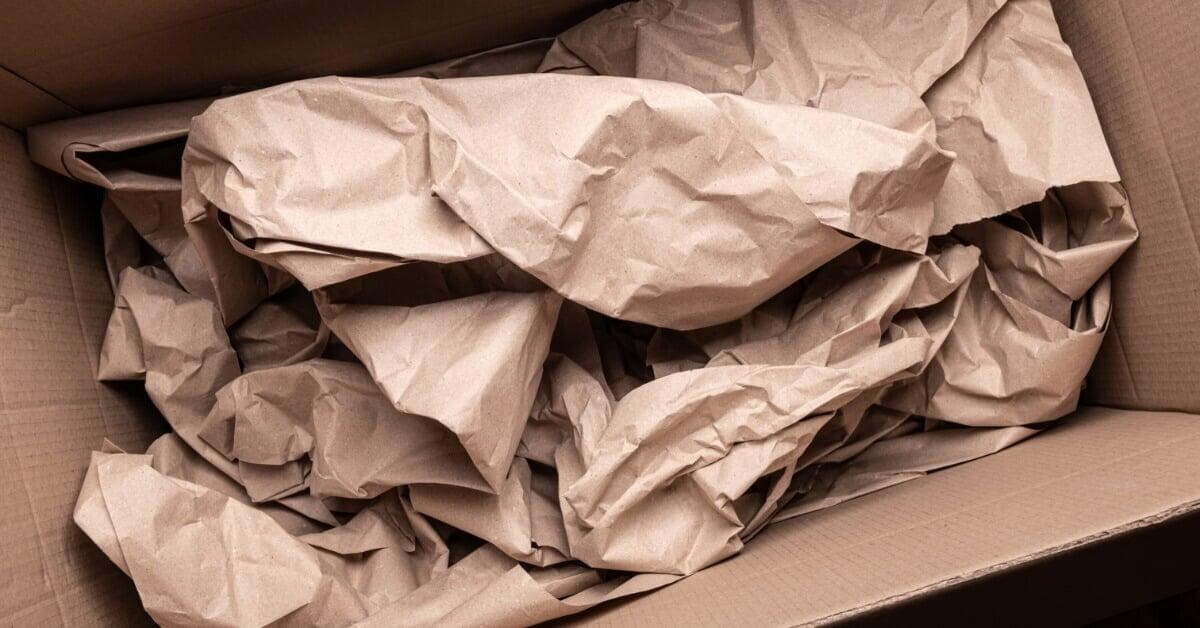
Recycled paper offers another eco-friendly way to cushion fragile items while keeping packaging easy to handle. When packers use it with the right amount of pressure, paper can form a protective layer that keeps the product steady inside the box. It also gives shipments a clean, practical presentation without making the packing process harder.
Recycled paper works best when it has enough density to hold its shape during transit. Thin sheets may look useful at the station, but they can flatten during handling. Packers should use paper to brace the item rather than simply fill empty space, so the material supports the product where it needs protection most.
Add Corrugated Inserts for Structure
Corrugated inserts give fragile products a more secure position inside the carton, especially when soft cushioning alone does not provide enough control. By creating space between the item and the box wall, the insert helps limit direct impact during handling. The product stays better aligned during transit, rather than sliding into corners or pressing against the outer carton.
A fitted insert can make repeat shipments easier by providing packers with a built-in structure, rather than leaving them to estimate the right amount of cushioning. Corrugated pads can protect vulnerable edges while keeping the package mostly paper-based.
Choose Molded Pulp for Product Fit
Molded pulp works well when a fragile item needs more than loose cushioning can provide. Since the material forms around the product, it supports the item in a specific position and helps limit shifting inside the carton. For teams that ship the same product often, that built-in fit can make packing more consistent without adding extra filler.
The value comes from how closely the tray or insert matches the product. A good fit leaves less room for the item to move during handling, which can reduce the risk of impact damage. It also keeps protection where the product needs it most, rather than relying on layers of loose material to fill the space.
Wrap With Honeycomb Paper
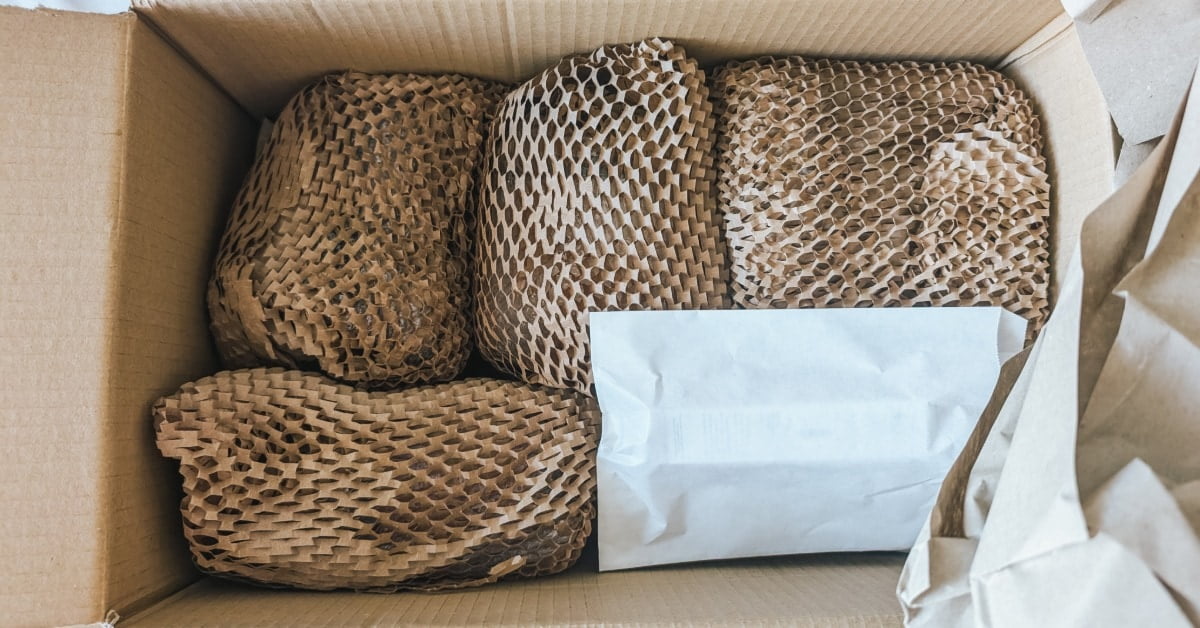
Honeycomb paper wrap can give fragile products a cushioned layer without the plastic feel of traditional bubble wrap. As the packer pulls the material, the paper expands into a textured pattern that creates space around the item. That added space helps soften contact during handling while still keeping the package presentation clean and paper-based.
Good application matters with this material. Packers need to pull the wrap firmly enough to open the honeycomb pattern, then secure it so the cushioning stays in place inside the box. When the material stays evenly wrapped around the product, it can protect surfaces from scuffs and support a more consistent packing process.
Use Paper Void Fill With a Clear Purpose
Paper void fill works best when it controls movement rather than simply fills space. A packer should place material where the item needs support, then check whether the product still shifts. This quick check helps prevent both under-packing and overpacking. It also keeps the packing process focused on protection instead of habit.
A clear packing method helps teams choose the right amount of paper for each shipment. It can also reduce the chance that one packer uses far more material than another. Warehouse teams can use simple checks before cartons move to sealing:
- The product does not slide when the box moves gently
- The item has cushioning between its surface and the carton wall
- The material supports the product without crushing it
- The box closes without pressure on the fragile item
- The final package feels secure before sealing
Consider Biodegradable Loose Fill Carefully
Biodegradable loose fill can help protect fragile items with shapes that are difficult to wrap. The material settles around the product, so it can cushion areas that rigid inserts may not reach. When packers use it correctly, loose fill can support delicate edges without applying excessive pressure to the item.
Careful packing matters because loose fill can shift inside an oversized box. Packers should add enough material to hold the product firmly, then check that the item does not move before sealing the carton. The package should also stay clean and manageable for the customer, especially when the material requires a specific disposal method.
Try Recycled Fiber Pads for Heavier Items
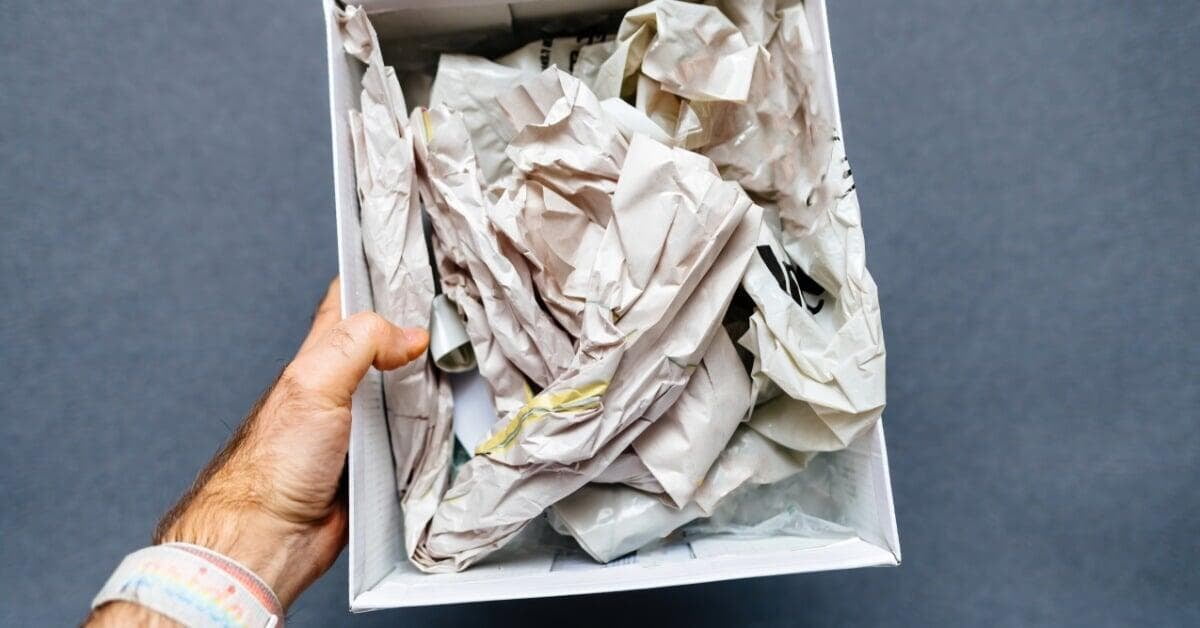
Recycled fiber pads can provide a stronger cushioning layer than standard paper wrap when fragile items need additional support. They create a protective barrier between the product and the carton, helping reduce damage during handling. This added protection becomes more important as product weight increases.
Operations that ship heavier, fragile parts may find fiber pads especially useful. A thin wrap can compress under pressure, leaving vulnerable areas exposed. Fiber pads hold their shape more effectively, providing consistent protection while supporting a more waste-conscious packaging approach.
Match Cushioning to the Product
The best eco-friendly cushioning choice depends on how the product is likely to sustain damage during shipping. Some items require firm control of movement to remain secure in the carton. Others benefit from additional space between the product and the box wall to absorb impact. Heavier, fragile products often require a denser material that maintains its shape throughout transit.
Teams should test packaging before introducing a new cushioning material across the operation. Even small adjustments can change how a product responds to vibration and handling. A sustainable material still needs to provide reliable protection if it is going to reduce waste in the long run. When products arrive damaged, the replacement shipment creates additional packaging waste and transportation costs.
Upgrade Your Warehouse
Fragile products need packaging that protects the shipment without creating unnecessary waste. With a void fill machine from PackSmart, you can create consistent cushioning for each box while helping your team reduce excess material and keep fragile items secure.
The right cushioning solution can help support both product protection and packaging efficiency as shipping demands continue to grow. Taking time to evaluate your current process helps reveal opportunities to reduce waste while improving shipment consistency.