
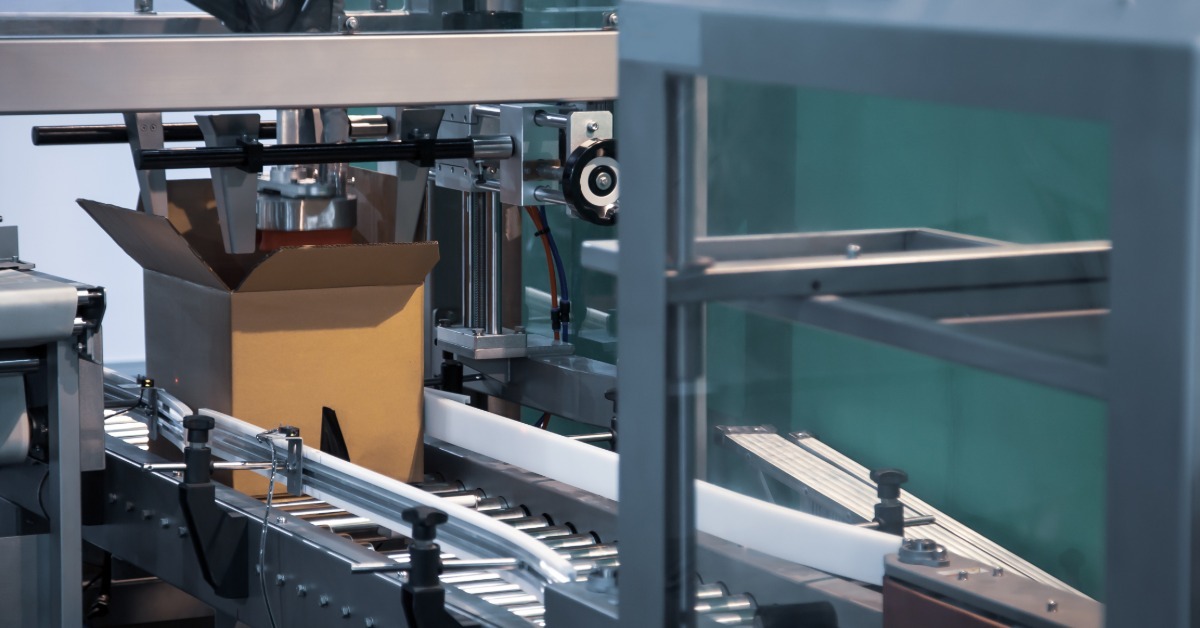
Packing lines feel the pressure first. Order volume climbs, labor stays tight, and manual taping starts slowing everything down. Inconsistent seals, backed-up stations, and rising costs turn into daily problems that hurt throughput and shipping reliability.
Carton sealers solve those issues, but the right choice depends on how an operation actually runs. Semi-automatic and automatic carton sealers handle speed, labor, and flexibility very differently. Comparing semi-automatic and automatic carton sealers helps prevent overbuying, underperforming, or creating bottlenecks on the line.
What Is a Semi-Automatic Carton Sealer?
A semi-automatic carton sealer automates taping while an operator handles each box, squares the flaps, and feeds it into the machine. The sealer applies tape to the top, bottom, or both, improving consistency without full automation. Quick-adjust guides enable rapid changes across different carton sizes.
These machines work well in small warehouses, in growing e-commerce operations, or in mixed-SKU operations. Operators still pick, pack, and stage cartons, but the sealer accelerates sealing, supports quick changeovers, and ensures consistent seal quality with moderate labor and throughput.
Pros of Semi-Automatic Carton Sealers
Lower Initial Equipment Cost
Semi-automatic sealers require a lower upfront investment because they use simpler drives, fewer sensors, and less control hardware. Smaller or growing operations value that profile because it tightens the payback period.
Flexibility for Mixed Box Sizes
Operators can quickly adjust guides between different carton sizes using manual or quick-release mechanisms. This flexibility matters because it allows the line to handle multiple SKUs without long downtime for changeovers, keeping throughput steady and meeting tight shipping schedules even when orders vary daily.
Easier Maintenance and Fewer Components
With fewer sensors and simpler mechanical components—belts, rollers, and tape heads—troubleshooting is straightforward, and replacement parts are affordable. This matters because it lowers maintenance costs, reduces unexpected downtime, and keeps operations consistent even during peak shifts.
Ideal for Low- to Medium-Volume Environments
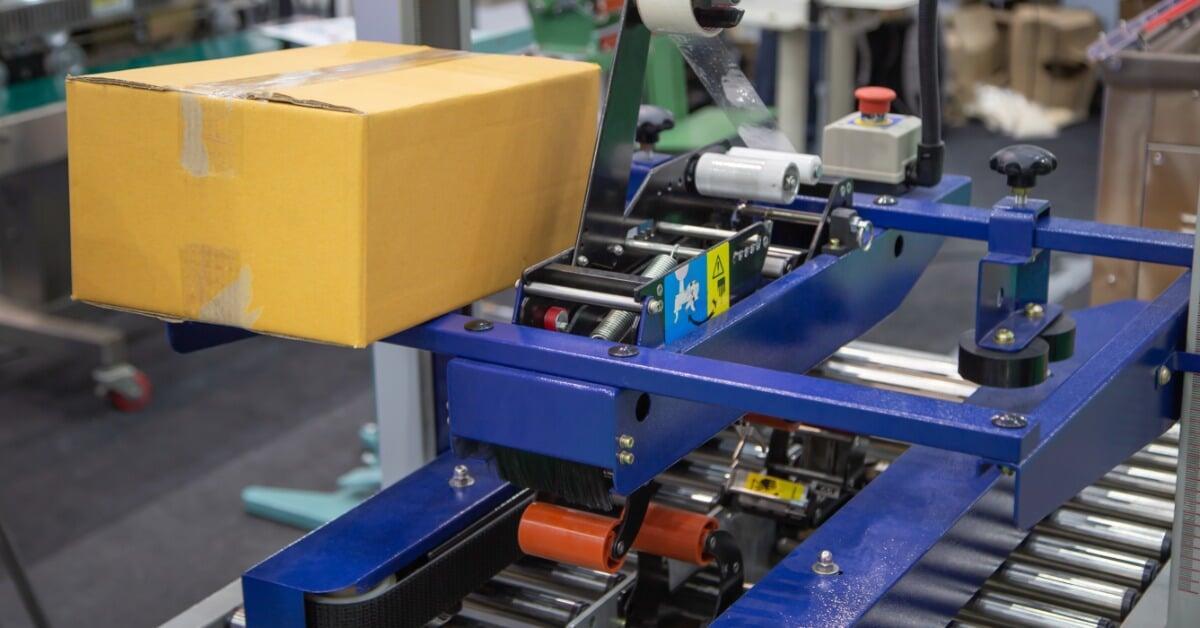
Low to medium volume often means steady daily flow without sustained, high-rate peaks. Teams that process a few hundred to a few thousand cartons per shift achieve higher speed and seal quality than hand-taping. You raise throughput without overinvesting in a system that your current demand does not justify.
Cons of Semi-Automatic Carton Sealers
Ongoing Labor Requirement
Every carton requires hands-on involvement at the infeed, which can waste time. Likewise, operators guide boxes, close flaps, and monitor tape usage. Plus, staffing decisions drive throughput, and scheduling gaps reduce output.
Limited Throughput
Operator speed sets the ceiling. Peaks during promotions or late cutoffs expose the infeed bottleneck. Growth strains this setup once order volume remains above modest levels for extended periods.
Higher Cost Per Carton at Scale
Labor costs compound as cartons per hour rise, meaning you need more trained operators or more parallel lines to hit higher targets. Efficiency drops once you push for continuous high-rate work on semi-automatic equipment.
What Is an Automatic Carton Sealer?
An automatic carton sealer handles case presentation and sealing with minimal operator touch at the infeed. The machine indexes the cartons as they move along the conveyor. Sensors read width and height, guides self-adjust, and the machine applies tape at a set tension across the top and bottom. The line needs staging and outfeed management, yet the sealing step runs continuously.
In modern packaging lines, automation coordinates multiple steps to speed production and reduce labor. Cartons are first erected by case erectors, then filled and closed by upstream packers. Finally, automatic carton sealers apply consistent tape to the top and bottom, handling either long runs of uniform sizes or adjusting on the fly for random-size cartons. This sequence creates a scalable platform capable of high daily output, making it ideal for distribution centers and high-volume fulfillment operations.
Pros of Automatic Carton Sealers
High-Speed, Continuous Operation
Automatic carton sealers move cartons through the line without stopping, eliminating the start-and-stop delays common with semi-automatic or manual taping. This allows operations to maintain a steady, predictable throughput, handling hundreds or even thousands of cartons per hour. By keeping the infeed continuously active, teams can meet high order volumes and tight shipping deadlines without overloading staff.
Reduced Labor Per Carton
Since the machine handles positioning, sizing, and sealing, fewer operators are needed at the infeed. Teams can focus on upstream packing, quality checks, or value-added tasks instead of manual taping. This lowers labor cost per carton as volume grows and lets operations scale efficiently without adding headcount.
Designed for High-Volume Growth
Automatic carton sealers handle hundreds to thousands of cartons per hour with minimal operator input. Most human interaction is limited to tape roll changes, routine inspections, and occasional jam clearing. This makes them ideal for peak seasons, large e-commerce fulfillment, or product line expansion, where consistent speed and reliability are critical to meeting shipping deadlines without adding staff.
Seamless Integration Into Automated Lines
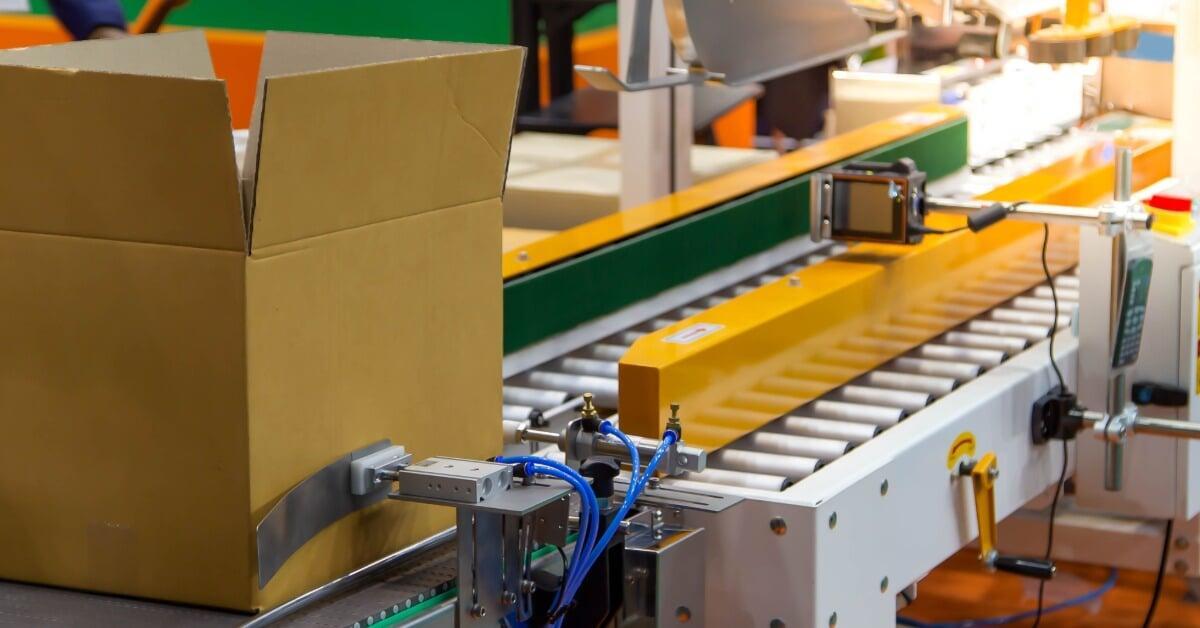
Conveyors, case erectors, scanners, and labelers connect through the same control logic. Integrated lines reduce manual touches and smooth handoffs between steps. Additionally, operations teams gain visibility and process control with consistent data across the line.
Cons of Automatic Carton Sealers
Higher Upfront Investment
Automatic carton sealers cost significantly more than semi-automatic models because they combine motors, sensors, control systems, and often require infeed and outfeed conveyors. Installation may also involve electrical work, safety guarding, and floor modifications. Smaller operations must weigh this upfront cost against their current and projected carton volume to determine if the investment delivers a meaningful return.
Less Flexibility With Frequent Size Changes
Automatic carton sealers perform best when carton sizes remain consistent. Frequent size changes interrupt flow because tape heads, guide pressure, and height settings still require verification or adjustment, even on random-size models. Mixed-SKU runs often require accumulation zones or carton-size batching to avoid stops, which adds planning time and reduces line efficiency.
Requires Supporting Equipment
Automatic carton sealers do not operate as standalone machines. They require infeed and outfeed conveyors to control carton spacing, orientation, and speed. Facilities also need sufficient floor space for accumulation, guarding, and service access. Without the right layout and material flow, even a high-performance sealer becomes a bottleneck instead of a throughput gain.
Which Option Is Best?
When comparing semi-automatic and automatic carton sealers, it's important to do what works best for your company. When evaluating your options, consider the following about your business:
- Volume: Low-to-medium favors semi-automatic; high-volume favors automatic.
- Box variety: Frequent size changes are easier with semi-automatic.
- Labor: Automatic reduces hands-on staffing; semi-automatic still needs operators.
- Throughput: Automatic handles continuous high-speed runs; semi-automatic is slower.
- Budget: Semi-automatic has lower upfront cost; automatic is a larger investment but pays off at scale.
Weigh these factors carefully to select a sealer that fits your operation, maximizes efficiency, and supports future growth.
Buy Quality Equipment
When buying a box sealer, consider your volume, mix of box sizes, and labor availability—semi-automatic models suit smaller or varied operations, while automatic sealers excel in high-volume, consistent workflows.
Explore options at PackSmart to find the right machine for your needs. Investing in the right sealer can streamline your packing line and keep shipments moving reliably, so take the next step toward a smoother, more efficient operation.