
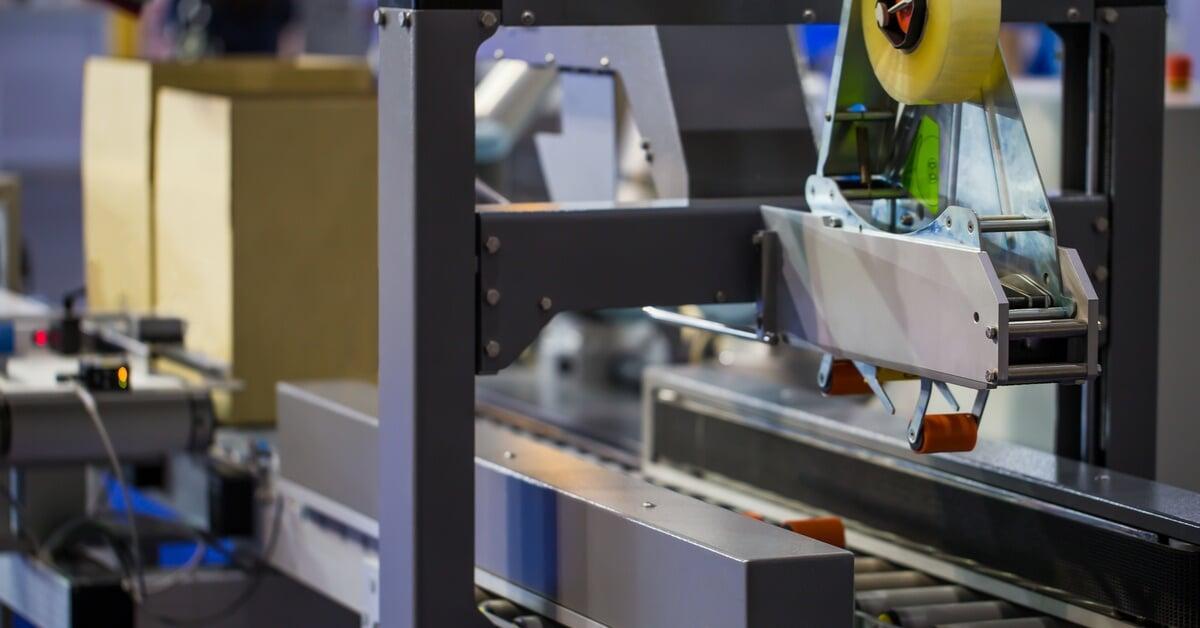
Case erectors are a cornerstone of packaging efficiency. Selecting the right machine directly affects your throughput, labor costs, and product safety. An incorrect choice introduces bottlenecks and increases costs, offsetting any potential gains. Use our walkthrough to choose the right case erector and make an informed investment.
Production Volume and Throughput Needs
Your production speed requirements are the primary driver of machine selection. Low-volume operations might manage with slower machines, but high-volume environments need erectors that can keep pace with demanding production schedules. A machine that’s too slow creates a major bottleneck, backing up the entire line and limiting your output.
Plan for future growth by selecting a machine with spare capacity to prevent the erector from limiting production as needs increase. Operations measure speed in cases per minute (CPM); a small operation might need 5–10 CPM, whereas a large-scale facility could require 30 CPM or more to maintain workflow.
Case Size and Box Format Flexibility
If your production involves various product dimensions, you need a machine that adapts without extensive manual adjustments. Some case erectors offer random-size capabilities, which automatically adjust to different box dimensions presented to the machine.
Every product change slows down your line if your warehouse lacks flexibility. A machine that can’t adapt introduces substantial downtime. When you switch product runs, your team will spend valuable time reconfiguring the equipment. This loss reduces operational efficiency and overall throughput, directly impacting your bottom line.
Automation Level
Another tip for choosing the right case erector is to review the different types of automation levels.
Manual Case Erectors
Manual case erectors require an operator to feed, form, and seal each box by hand. These setups typically involve a simple jig or forming station to help the operator fold the flaps before manually taping the bottom. They are the most basic option available.
The main advantage of manual systems is their low upfront cost and simple operation, which requires minimal training. However, this machine is also labor-intensive and has the slowest throughput. This approach is only suitable for very low-volume operations or startup companies with limited capital.
Semi-Automatic Case Erectors
With a semi-automatic case erector, an operator places a flat box blank into the machine. The machine then takes over, folding the bottom flaps and sealing the case with tape or glue. This process removes some of the most repetitive motions for the operator.
Semi-automatic models are faster than manual methods and reduce operator fatigue. They offer a good middle ground for operations that have outgrown manual erecting but do not yet require full automation. That said, semi-automatic case erectors still require constant human intervention, making their speed limited compared to fully automated solutions.
Fully Automatic Case Erectors
Fully automatic case erectors handle the entire process without operator involvement. A magazine holds a stack of flat case blanks, which the machine automatically picks, erects, squares, and seals. The machine then discharges the finished cases onto a conveyor, ready for packing.
These machines deliver the highest throughput and provide consistent, high-quality case construction with minimal labor. A fully automatic case erector’s primary drawback is the higher initial investment and the need for careful integration planning with your existing packaging line.
Integration With Existing Equipment and Workflow
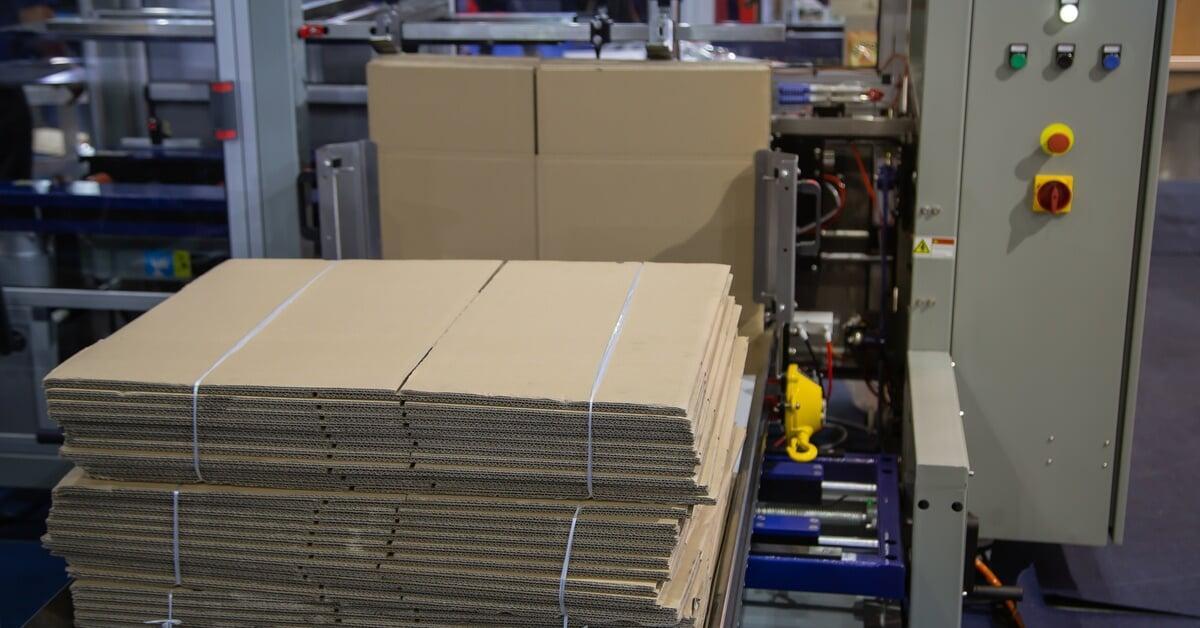
A new case erector must fit seamlessly with your current equipment. Compatibility with existing conveyors, case packers, and top sealers is fundamental for a smooth workflow. An improperly integrated machine can cause jams, errors, and system-wide downtime.
You must also consider the machine’s footprint and how it fits into your facility’s layout. Space is often at a premium, so you may need a compact machine to prevent workers from feeling cramped in your warehouse.
Changeover Speed and Ease
Frequent, lengthy adjustments across different box formats lead to significant downtime, directly hurting your productivity. You want a machine that operators can adjust quickly.
Look for erectors that feature tool-less adjustments or fully automatic changeovers. For example, user-friendly interfaces with presets for different case sizes can dramatically reduce the time it takes to switch between production runs.
Reliability, Build Quality and Maintenance Support
A case erector is a long-term investment, so you need a durable machine. Evaluate the build quality, the materials used, and the reliability of the drive system. A robust box erector machine built with high-quality components will operate consistently for years.
Moreover, consider the ease of maintenance and the availability of spare parts. Strong vendor support, which includes technical assistance and accessible service technicians, is invaluable. Poor reliability results in unexpected downtime, costly repairs, and lost production.
Sealing/Bottom Closure Mechanism and Quality of Finished Cases
Case erectors use either tape or hot-melt glue to seal the bottom of the cases. Tape is often less expensive and easier to manage, while hot-melt glue provides a stronger, more permanent seal that adds rigidity to the case. The ideal choice depends on your product’s weight and shipping requirements.
The quality of the folding and sealing mechanism directly affects the integrity of the finished case. A poorly formed or poorly sealed box can collapse during transit, putting your product at risk. Square, securely sealed cases stack better on pallets and offer superior protection.
Energy Efficiency and Waste Considerations
Modern case erectors often include energy-efficient features that lower your operating costs over the life of the machine. Look for models with smaller motors or “sleep mode” functions that reduce power consumption during idle periods. These features contribute to a lower total cost of ownership.
The machine’s ability to handle cases made from recycled materials can also support your company’s sustainability goals. Reducing material waste and energy use are tangible benefits that align with corporate environmental initiatives.
Return on Investment (Cost vs. Long-Term Savings)
You should evaluate a case erector’s return on investment (ROI) beyond its initial purchase price. Compare the upfront cost to the long-term savings generated by reduced labor, increased efficiency, and fewer packaging errors. A higher initial investment in an automatic erector often pays for itself quickly in a high-volume operation.
Your calculation should also include indirect benefits such as:
- Reduced risk of repetitive strain injuries for employees
- Lower rates of product damage during shipping
- Consistent packaging quality that enhances your brand’s image
Noting the payback period for different machines will help you justify the investment and choose the most financially sound option for your business.
Safety Features and Operator Ergonomics
Operator safety is a top priority on any packaging line. Modern case erectors come equipped with safety guards, interlock switches, and emergency-stop buttons to protect personnel from moving parts. An ergonomic design also reduces the physical strain on operators.
Machines that minimize awkward bending or reaching can reduce the risk of repetitive strain injuries. This not only improves worker morale and retention but also maintains high levels of efficiency. Always confirm that the machine complies with current OSHA or other relevant industry safety standards.
Buy the Right Option
Investing in the right case erector ensures your packaging line runs smoothly and efficiently, avoiding costly delays or operational bottlenecks. Find the perfect case erector for your operation at Packsmart, where solutions match every production need. Compare options, request a demo, and see how the right machine can elevate your packaging line. With the right fit, your team can focus on meeting production goals without unnecessary stress or interruptions.