
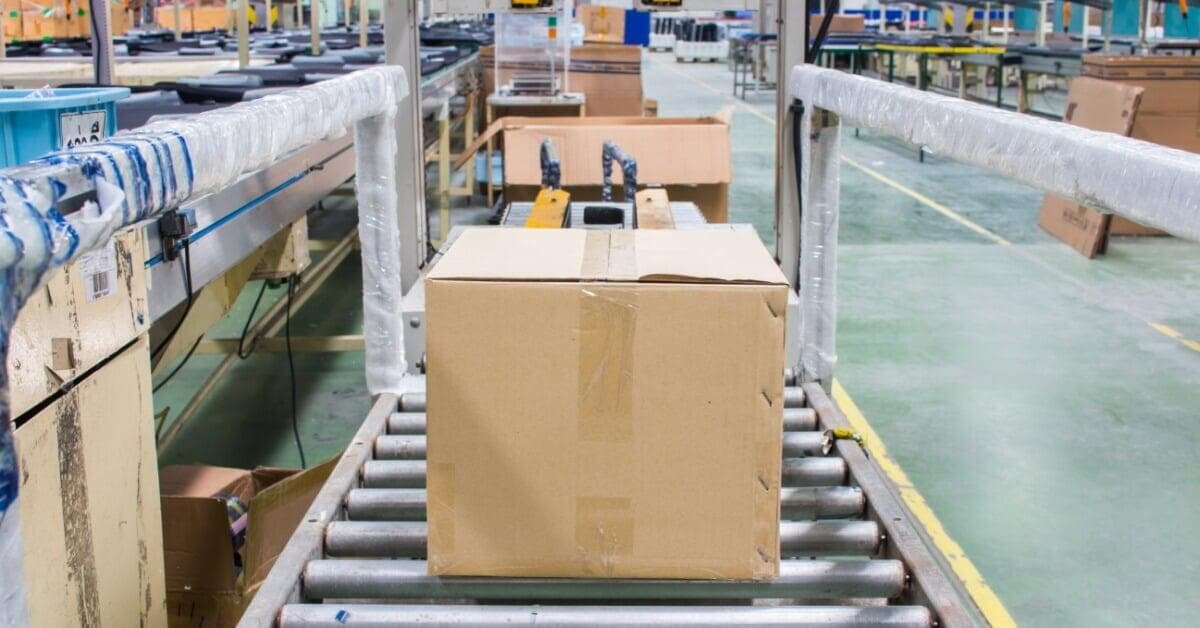
Strapping can look like a small step in the packing process, but it can affect how smoothly orders move through the facility. When employees spend too much time hand-sealing cartons, the packing area can lose rhythm before the order reaches shipping.
The right machine can help the team apply the strap more consistently and reduce the repeated handling that slows a busy station. That is why equipment choice matters when deciding between semi-automatic and automatic strapping machines.
How Semi-Automatic Strapping Machines Work
A semi-automatic strapping machine keeps the operator involved in each cycle. The employee places the package on the machine and guides the strap around the carton. After that, the machine tightens the strap and finishes the seal so the package can move forward.
The hands-on setup gives the operator more control over how each package sits on the table. That control can help when carton sizes change often or when the team handles mixed orders throughout the day. The process still requires employee attention, but it can offer greater consistency than hand strapping alone.
Semi-automatic equipment often serves as a practical first step toward machine-supported strapping. It can fit into many existing packing areas because it does not always require a full line change. For a facility with moderate volume, that balance can make the machine easier to adopt.
How Automatic Strapping Machines Work
Automatic strapping equipment reduces how much handling the operator needs to do. The employee positions the package, and the machine feeds the strap around it during the cycle. With the right workflow, the station can maintain a steadier pace as cartons move through the area.
The equipment works best when the surrounding process remains consistent. If packages arrive at the strapping area at uneven intervals, automation may not address the broader workflow issue. The machine can improve the strapping step, but the surrounding process still needs to support that pace.
Automatic equipment often works well when the strapping step has become a repeated slowdown. It can help teams reduce hands-on work when packages move through the station in a steady pattern. For a higher-volume facility, that added efficiency can make the machine easier to justify.
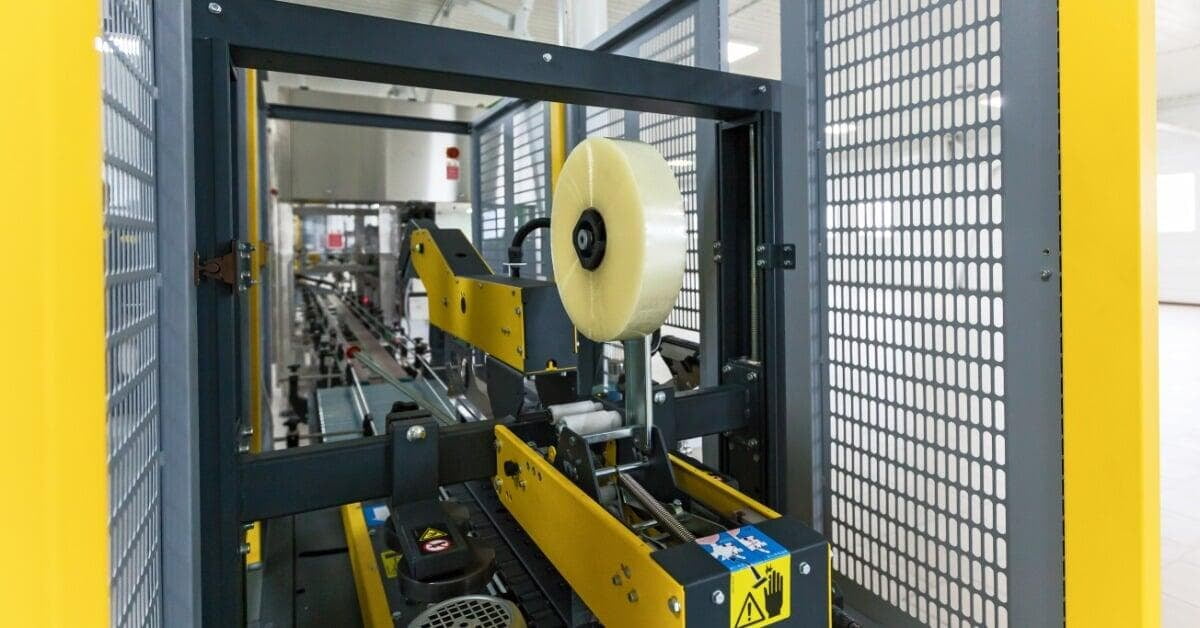
What To Compare Before Choosing
Choosing between semi and automatic strapping machines becomes less about machine labels and more about real workflow. A semi-automatic model can serve a single facility well, as the team needs flexibility. An automatic model can serve another facility better because the work repeats in a consistent pattern.
The best equipment choice starts with a clear look at daily use. A manager should watch how the strapping station performs during a typical shift, not only during the busiest hour. That review can show whether the team needs more speed or better control within the existing layout.
Start With Daily Strapping Volume
Daily volume often gives the clearest signal. If the team straps a manageable number of packages each shift, a semi-automatic machine may provide the right level of support. It can reduce handwork without requiring a change in equipment.
Higher volume can shift the decision toward more automation. When packages wait at the strapping station, employees may rush or pull help from another part of the packing area. An automatic option may help the team move through each cycle more quickly.
Look at Package Consistency
Package consistency matters because automation depends on repeatable conditions. A semi-automatic machine gives the operator time to adjust each package before the cycle finishes. That can help when products do not follow the same carton size throughout the day.
An automatic system usually performs better when packages arrive in a similar format. The machine can work more efficiently when the package position does not require constant correction. If the operation handles mixed sizes every few minutes, the added adjustment may reduce the benefit of automation.
Think About Labor Needs
Labor needs can also point managers toward the right choice. An automatic strapping machine keeps the operator close to the task, so it works well when the employee can manage the station without slowing other work. The machine improves the step, but it does not remove the need for hands-on involvement.
Automatic equipment can help when one employee spends too much of the shift on repetitive strapping. The operator still needs to monitor the machine and respond when something changes. Even so, the process can place less strain on the employee when the workload stays steady.
Review the Packing Area
The packing area should guide the equipment decision as much as the package does. A semi-automatic machine can often fit within an existing workstation, helping teams avoid a major layout change. This can make sense when space already feels tight.
An automated system may require a more structured setup because it can alter how packages enter the strapping step. The area should allow employees to load packages safely and reach the machine for routine support. If the layout creates awkward movement, the new equipment may slow the process in different ways.
Before making a decision, managers should compare the machine with the way the station currently operates. These questions can help narrow the choice:
- How many packages need strapping during a normal shift?
- Do carton sizes change often throughout the day?
- Can one employee manage the current station without slowing other work?
- Does the packing area have room for a larger machine?
- Will the order volume likely increase soon?
Are Semi or Automatic Strapping Machines Best?
Neither option provides the best fit for every operation. A semi-automatic machine often works well when employees handle changing package sizes or when daily strapping volume stays manageable. An automated system may better suit the operation when the workflow remains consistent, and the strapping station needs to keep pace with higher production.
Your team should base the decision on how the process works today and how demand may change. When the equipment matches the workflow, it can support a smoother packing process without adding unnecessary complexity.
Get Your Strapping Machine
Strapping equipment should make the packing process easier to manage. PackSmart can help your team compare options based on how your products move through the facility and the level of support your operators need.
Every operation has different packaging requirements, so the right strapping machine starts with how your team works. Taking time to compare your options now can help support a more efficient packing process as your business grows.