
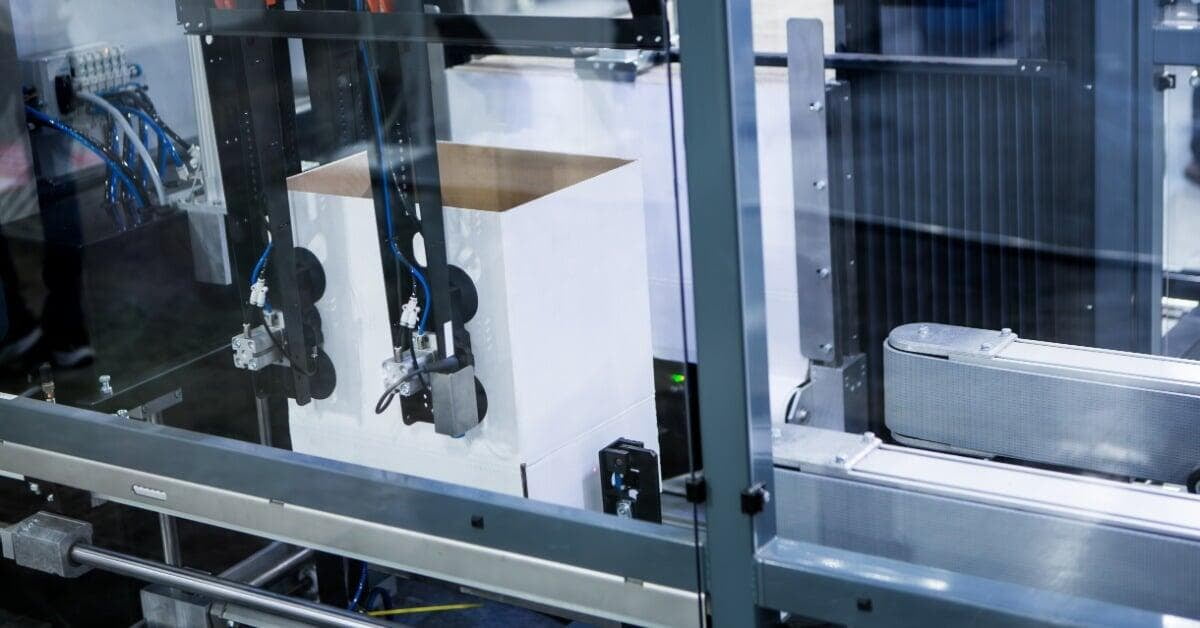
Case forming equipment maintains a consistent supply of boxes for packaging and shipping in warehouses. When there are issues with corrugated materials, machine adjustments, or mechanical components, the quality of finished cases decreases. Identifying common case forming challenges and their solutions helps warehouse managers identify equipment problems and maintain efficient packaging operations.
Inconsistent Case Feeding
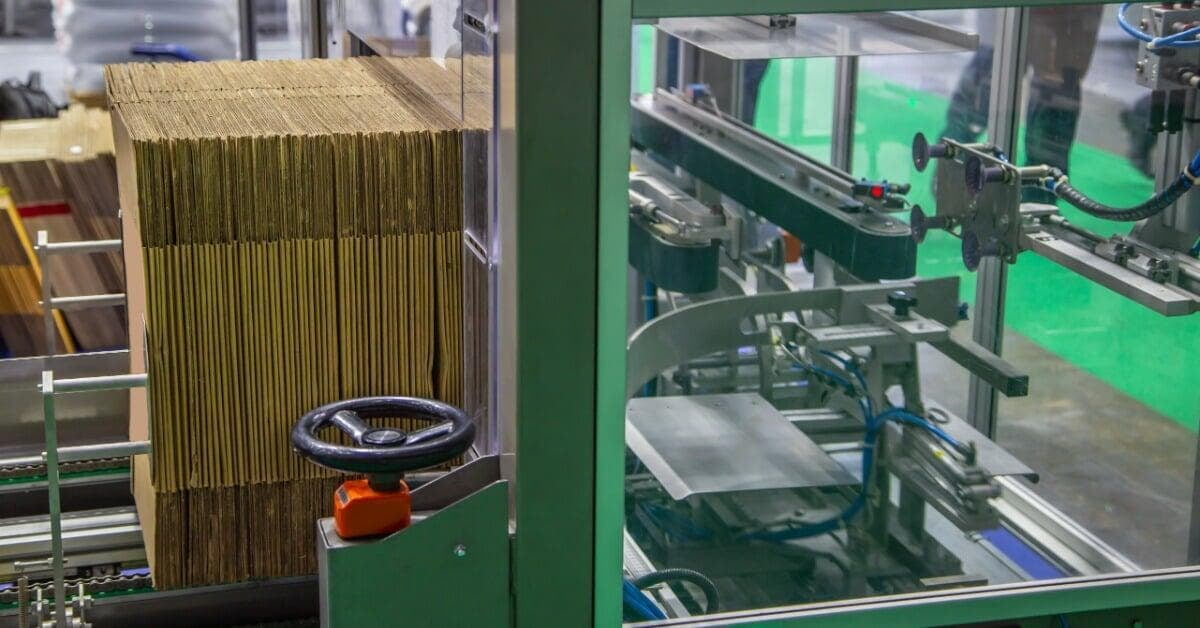
In automatic case erectors, the magazine holds flattened cardboard boxes until the feeding mechanism pulls them into position. When the stack sits unevenly or the magazine guides don’t match the case dimensions, the equipment may struggle to separate individual blanks.
Cases could enter the machine at an angle, catch against surrounding components, or fail to advance entirely. Repeated feeding interruptions disrupt production because the equipment cannot complete the forming sequence without a properly positioned blank.
Solution: Adjust Magazine Guides
The individual blanks move through the feeding mechanism without excess resistance after aligning the magazine. Operators should check that the guides match the dimensions of the current case and maintain adequate clearance for consistent movement.
Additionally, arranging the blanks evenly within the magazine prevents excessive pressure against the feeding mechanism. After completing the adjustments, run several test cycles to confirm that the equipment separates and advances each case without hesitating.
Vacuum Pickup Failures
Many automatic case erectors use vacuum suction cups to grip flattened corrugated blanks and transfer them from the magazine into the forming area. Cracked suction cups, clogged filters, or leaks in vacuum lines weaken the gripping force. As a result, the equipment may fail to retrieve a blank or release it prematurely during transfer. These failures frequently cause machine stoppages because the forming mechanism cannot proceed without a case in the correct position.
Solution: Inspect Vacuum Components
Routine inspections identify suction problems promptly to avoid interrupting production. Maintenance personnel should examine suction cups for cracks, hardened surfaces, or worn edges that prevent a secure connection with the corrugated material.
Checking vacuum lines and filters will call attention to any leaks or restrictions that interfere with consistent suction pressure. Replacing damaged components and verifying vacuum performance restores reliable case pickup.
Warped Corrugated Case Blanks
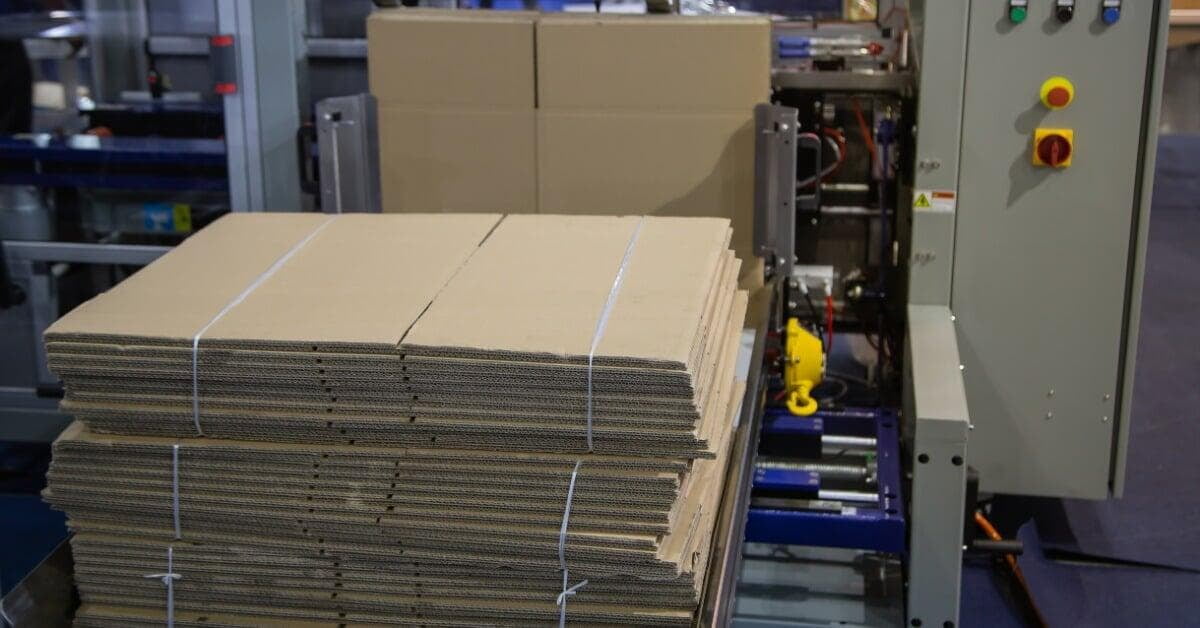
Corrugated cardboard reacts to environmental conditions, particularly changes in humidity and improper storage. Excessive moisture can soften the material and cause flattened cases to bend or lose their intended shape.
When a warped blank enters the forming mechanism, its panels may resist opening evenly or catch against the machine’s guides. Even minor distortions could interfere with the equipment’s ability to form a square, stable case.
Solution: Improve Corrugated Material Storage
Maintaining appropriate storage conditions protects the structural integrity of corrugated blanks. Warehouses should store cases in dry areas, away from moisture exposure and significant temperature fluctuations.
Keeping stacked materials flat and following the supplier’s stacking recommendations prevents excessive compression or bending. Prior to loading a new batch, operators should inspect the blanks for visible distortion and separate damaged materials from usable inventory.
Cases Forming Out of Square
Case erectors must open flattened blanks into a rectangular shape before folding and sealing the bottom flaps. Misaligned forming guides, improper machine settings, or inconsistent pressure can prevent the panels from reaching their intended positions.
Consequently, finished boxes may have uneven corners or walls that lean inward or outward. These irregularities affect stability and interfere with subsequent packaging processes, particularly when automated equipment expects consistent case dimensions.
Solution: Correct Case Squaring Adjustments
Accurate case formation depends on properly aligned guides and consistent positioning throughout the opening sequence. Technicians should inspect the forming mechanism for loose components or adjustments that prevent the case from opening completely.
Verifying the machine settings against the manufacturer’s specifications establishes the correct dimensions for each case format. Testing finished boxes for square corners and consistent wall alignment confirms whether the adjustments resolved the issue.
Incomplete Bottom Flap Folding
After opening a corrugated blank, case forming equipment folds the bottom flaps into position for sealing. Problems occur when folding arms fail to contact the flaps at the correct point in the operating cycle.
Misaligned guides or worn mechanical components may leave individual flaps partially open or folded in the wrong sequence. Without proper alignment, the equipment could jam when the case enters the sealing area.
Solution: Check Folding Mechanism Alignment
The folding mechanism must guide each flap into its intended position without excessive force or interference. Inspect the folding arms and guides for damage, looseness, or accumulated cardboard debris. Observing several forming cycles after the adjustment confirms that each flap folds completely.
Poor Bottom Seal Quality
Some case erectors automatically seal the bottom flaps with adhesive tape or hot melt glue after forming the box. Inconsistent adhesive application or incorrect tape positioning may produce weak bonds that compromise the case’s structural integrity.
For example, inadequate contact between the tape and cardboard could leave portions of the bottom seam unsecured. These defects create problems when workers load products into the finished cases.
Solution: Verify Sealing Equipment Settings
Consistent sealing depends on appropriate equipment settings and reliable adhesive application. For tape systems, operators should check tape alignment, application pressure, and the condition of the tape head components.
Hot melt systems require attention to adhesive temperature, application patterns, and nozzle condition to establish a consistent bond. Examining finished cases during production signals incomplete seals before they reach the packing area.
Incorrect Case Size Changeovers
Warehouses that package products in multiple box sizes must adjust their case forming equipment between production runs. If operators overlook a guide adjustment or retain settings from the previous format, the machine may struggle to handle the next case size. Incorrect settings affect how the equipment grips, opens, and positions the corrugated blank. Changeover mistakes frequently result in misfeeds or improperly formed boxes.
Solution: Standardize Changeover Procedures
A consistent changeover process helps operators configure the equipment accurately whenever production requirements change. Facilities should maintain documented settings for frequently used case dimensions, including the appropriate guide positions and machine adjustments.
After completing a changeover, operators should run test cases and inspect their dimensions. Equipment with quick-adjustment features can simplify transitions between compatible case sizes.
Repeated Case Discharge Jams
Once a machine forms and seals a case, the discharge mechanism transfers it toward the next packaging station. Problems arise when the finished box doesn’t align with the exit guides or encounters resistance along the conveyor. Uneven case formation, worn transport belts, or improper guide spacing may prevent smooth movement. As cases accumulate near the discharge area, the equipment may stop production to prevent additional obstructions.
Solution: Evaluate Discharge Alignment
A consistent transfer process relies on correctly positioned discharge guides and transport components. Maintenance personnel should inspect the exit pathway for obstructions and verify that the conveyor accommodates the dimensions of the finished case. Checking transport belts for slipping or uneven movement helps identify mechanical problems that interfere with case discharge. If jams continue, technicians should examine whether the forming mechanism produces boxes with consistent dimensions.
Maintain Reliable Case Forming Operations
Warehouses maintain consistent packaging production when they address case forming challenges quickly and with the appropriate solution. PackSmart supplies case forming equipment and technical services to help businesses maintain productive packaging operations. Whether a facility requires maintenance assistance or a new case erector machine, our team provides equipment solutions that align with various packaging demands.