
Production schedules cannot decline as packaging volumes increase. Warehouse teams must prepare, pack, and secure additional products speedily and accurately. When manual processes begin to cause delays, it’s time to invest in new equipment. Find out which types of packaging equipment are ideal for growing operations.
Case Erectors
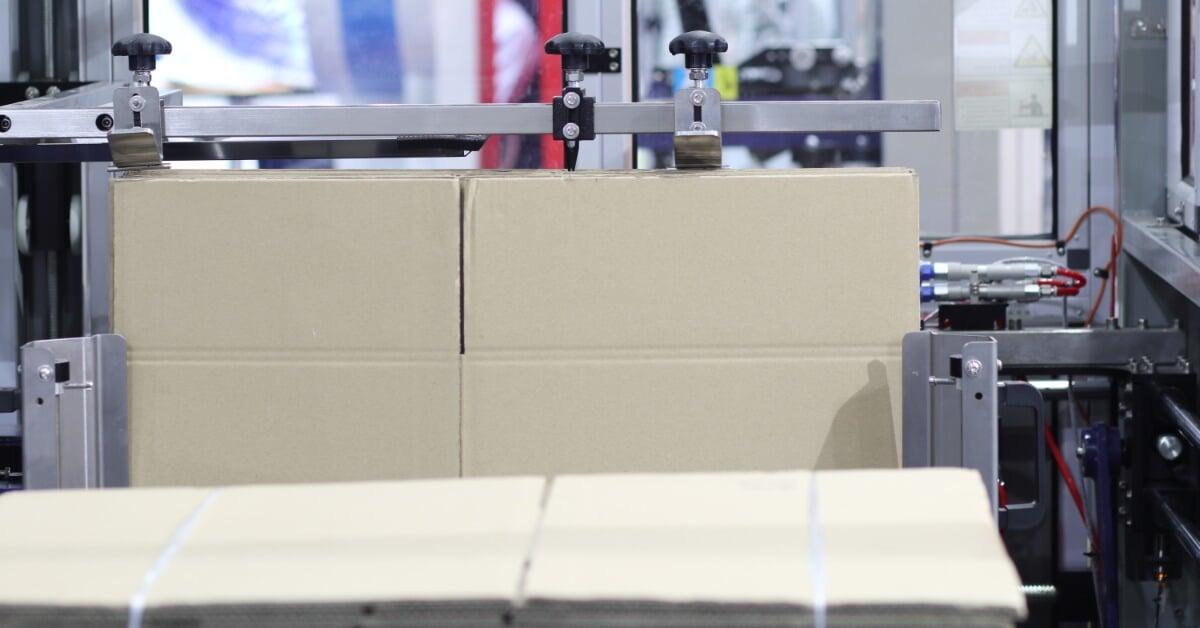
Manually assembling cardboard boxes becomes time-consuming when warehouse employees must prepare hundreds of cases throughout a shift. Workers have to open each flat box, fold the bottom flaps, and secure the base before placing products inside. When case preparation falls behind demand, packing stations may sit idle while employees assemble additional boxes.
Case erectors automate this process by taking flat corrugated blanks from a magazine and forming them into open shipping cases. The machinery folds the bottom flaps and secures the base with tape or adhesive, depending on the system. Semi-automatic models assist employees with case formation, while automatic systems perform the process with minimal operator involvement. By supplying a steady flow of uniformly assembled boxes, case erectors prevent case preparation from delaying subsequent packaging tasks.
Case Sealers
As order volumes grow, manually closing shipping cartons becomes another potential bottleneck. Employees must fold the top flaps and apply tape across each box, repeating the process throughout their shifts. Inconsistent tape placement may leave gaps along carton seams, while excessive taping increases material use.
Case sealers address these problems by applying tape or adhesive to close cartons as they move through the equipment. Some machines require employees to fold the flaps and feed boxes into the system. On the other hand, fully automatic models handle these tasks mechanically.
Uniform case sealers process cartons of the same dimensions, making them suitable for repetitive packaging runs. Random case sealers accommodate varying box sizes, providing flexibility for facilities handling a broad assortment of products. Both options promote consistent carton closure and steady movement toward shipping.
Automated Bagging Machines
Facilities packaging small components or individual products may struggle to maintain output when employees manually fill and seal bags. The process becomes increasingly repetitive as production quantities rise, particularly when orders contain numerous individually packaged items. Differences in bag placement and sealing techniques may contribute to packaging inconsistencies.
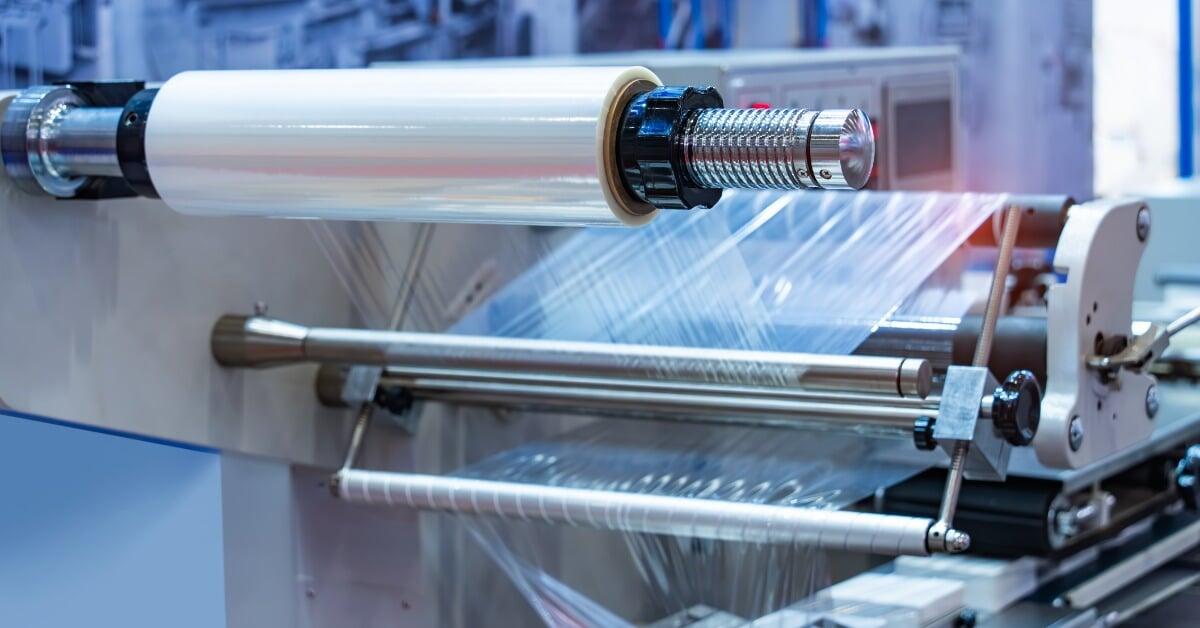
Automated bagging machines simplify the process by dispensing bags, positioning them for filling, and completing the sealing cycle. Depending on the equipment, operators may place products into open bags, or an integrated feeding system may dispense items automatically. Then, the machine seals each package and advances the next bag into position.
These systems benefit operations packaging parts in substantial quantities. Consistent bag preparation and sealing let employees process additional units without manually completing every packaging step.
Void Fill and Cushioning Systems
Products shipped in oversized cartons may shift during transportation when empty spaces remain around the contents. Employees frequently spend considerable time gathering protective materials, preparing cushioning, and filling gaps around fragile merchandise. As shipment volumes increase, manually preparing protective packaging may slow the completion of outgoing orders.
Void fill and cushioning systems produce protective packaging materials directly at packing stations. Paper systems convert rolls or stacks of paper into crumpled cushioning, while air pillow machines inflate and seal plastic film to produce lightweight protective cushions. Employees dispense the material as required and position it around products inside the carton.
Having protective materials readily available limits interruptions caused by retrieving supplies from separate storage areas. These systems also provide consistent material preparation across packing stations, improving productivity when facilities process substantial quantities of parcels.
Stretch Wrapping Machines
Securing pallet loads manually requires employees to walk around each pallet while stretching film across the products. The task demands considerable physical effort, particularly when facilities prepare numerous pallets for shipment each day. Variations in film tension and wrapping patterns may also affect load stability during handling and transportation.
Stretch wrapping machines automate film application by rotating the pallet or moving a wrapping mechanism around the stationary load. Semi-automatic turntable models require operators to position pallets and initiate wrapping cycles, while fully automatic systems handle additional stages of the process. The equipment applies film according to controlled wrapping patterns. The outcome is consistent coverage across successive loads.
As pallet volumes rise, automated wrapping limits repetitive manual labor and improves the consistency of load containment. Warehouse teams can prepare shipments at a predictable pace while guaranteeing secure pallet loads.
Strapping Machines
Manually securing cartons, bundled products, and pallets becomes labor-intensive when shipment quantities increase. Employees must position strapping around each load, tighten the material, and secure its ends. Uneven tension may leave products inadequately secured, while excessive force could damage cartons or compress sensitive merchandise.
Strapping machines streamline load securing by applying controlled tension and joining the strap ends to form a secure band. Semi-automatic tabletop models typically require employees to position the strap around a package before the machine tensions and seals it. Automatic arch strappers feed strapping around products mechanically, completing repeated cycles with limited operator intervention.
Automated Palletizers
As shipping volumes increase, manually stacking cartons onto pallets places additional demands on warehouse employees. Workers must repeatedly lift products, position them according to the desired stacking pattern, and maintain load stability as each layer grows. The physical demands become substantial when facilities handle heavy cartons or prepare numerous pallets throughout a shift.
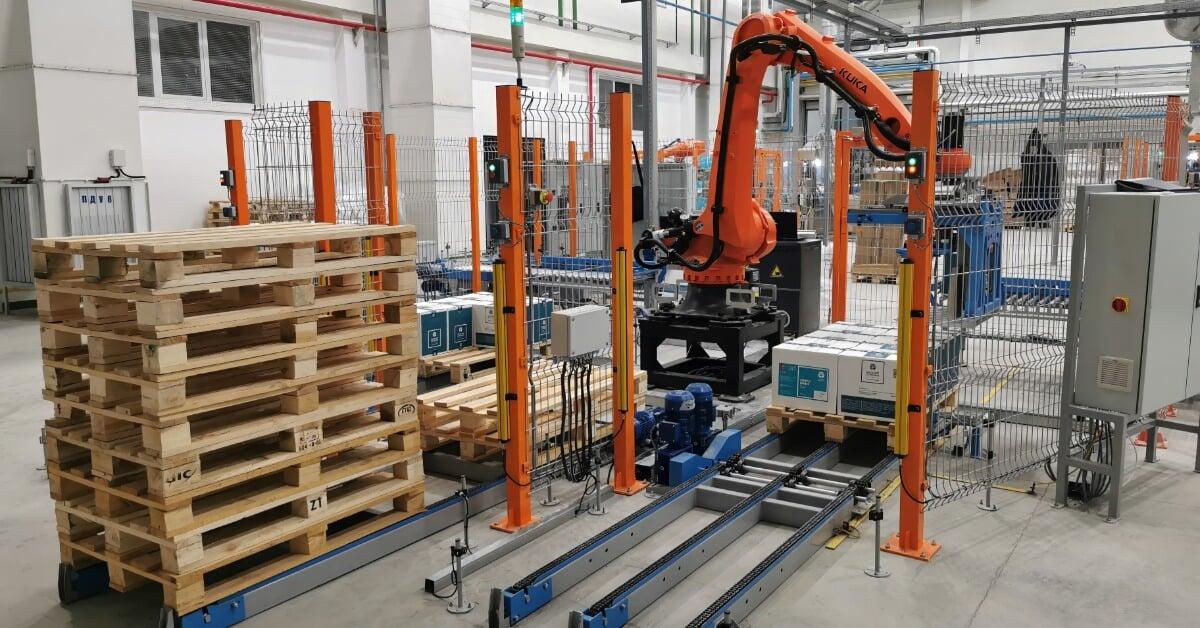
Automated palletizers transfer products from conveyors or other feeding systems and arrange them onto pallets according to programmed stacking patterns. Robotic palletizers use articulated arms and gripping mechanisms to pick up products and position them, while conventional systems form layers through mechanical handling equipment. Both approaches maintain consistent product placement throughout the stacking process.
For operations handling repetitive pallet loads, automated palletizing limits manual lifting and maintains steady production output. Consistent stacking patterns also contribute to stable loads as pallets move toward wrapping and distribution.
Packaging Equipment for Continued Growth
Although previous workflow methods were efficient, they might not be able to accommodate increased production demands. Investing in new packaging equipment will help your growing business accommodate high workloads.
To uphold high-quality packaging standards for your operations, browse the industrial packaging solutions from PackSmart. We offer case erectors, automated palletizing equipment, stretch wrappers, and more. Our team assists businesses in identifying machinery that fits their packaging processes and production demands.