
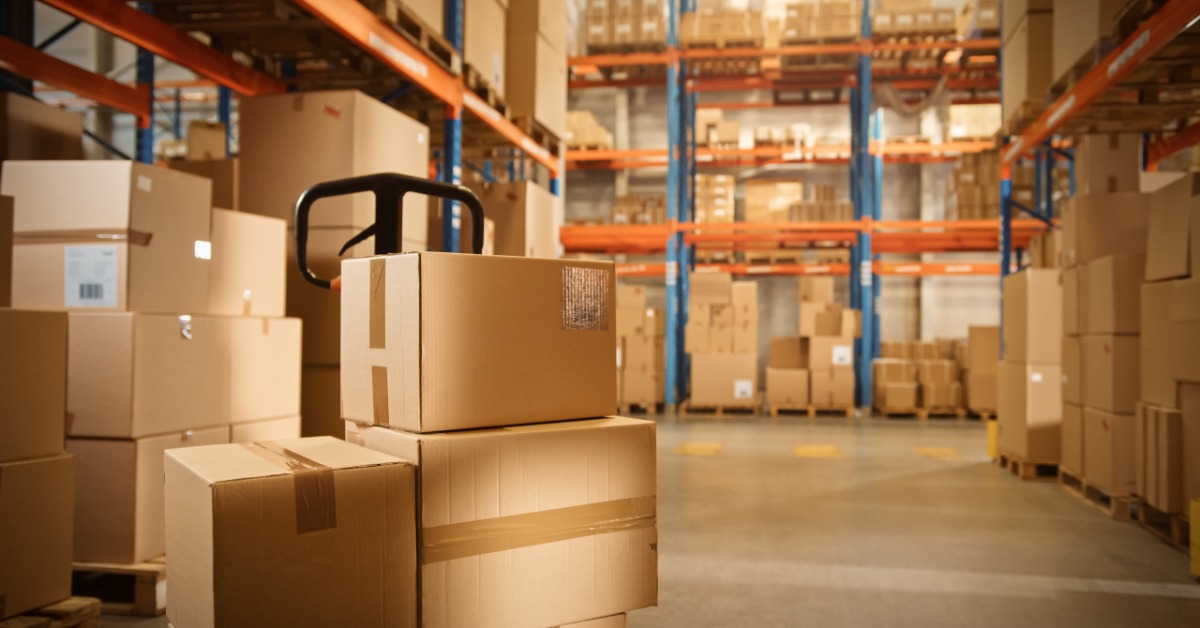
Warehouses that receive steady shipments collect considerable amounts of corrugated cardboard from incoming boxes. Cardboard shredders give that material another purpose by converting it into protective packaging used for outgoing shipments. Before adding a cardboard shredder to your warehouse operations, here’s what you should know about the machine’s features and benefits.
1. Repurpose Used Corrugated Cardboard
Corrugated boxes don’t have to leave a facility as waste once they reach the end of their original purpose. A cardboard shredder cuts or perforates suitable sheets so the material takes on a flexible structure that works for packaging. Facilities that regularly unpack cartons may already have a steady supply of material available for conversion.
This process differs from baling, even though both types of equipment deal with cardboard waste. A baler compresses material for storage, handling, or recycling, whereas a cardboard shredder changes the material so that a warehouse can reuse it internally. That distinction matters for operations looking at equipment because the two machines solve separate problems.
2. Produce Protective Packaging Material
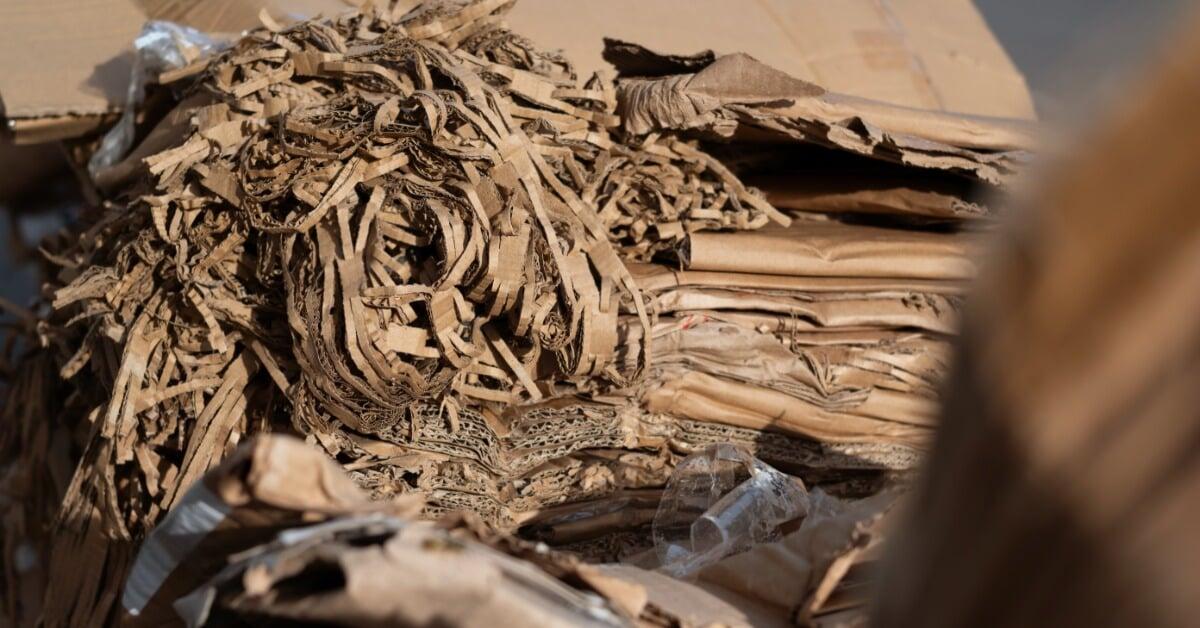
The cutting system changes rigid corrugated sheets into material with enough flexibility to bend around products or occupy open carton space. Depending on the shred pattern, the finished cardboard may form a perforated mat or loose cushioning material. Its altered structure absorbs movement and separates a product from the walls of its shipping carton.
Using converted cardboard for packaging gives warehouse teams another source of protective material without introducing an entirely new material stream. The output may work for wrapping, layering, or filling space around products, depending on the shipment. Because the cardboard comes from boxes already present in the facility, the process connects waste handling with packing operations.
3. Accept Specific Corrugated Materials
Cardboard shredders work with corrugated material, but not every piece of packaging waste has the same construction. Single-wall and double-wall sheets vary in thickness, stiffness, and resistance as they enter a cutting system. Coatings, heavy contamination, attached hardware, or mixed packaging materials may change how the material moves through the equipment.
Those differences affect both processing and the resulting cushioning. A clean corrugated sheet has a predictable structure, whereas material with excessive damage or foreign objects introduces variables the cutting system wasn’t designed to handle. Understanding what belongs in a cardboard shredder helps managers evaluate whether the facility produces enough suitable material to justify regular use.
4. Process Cardboard Within Size Limits
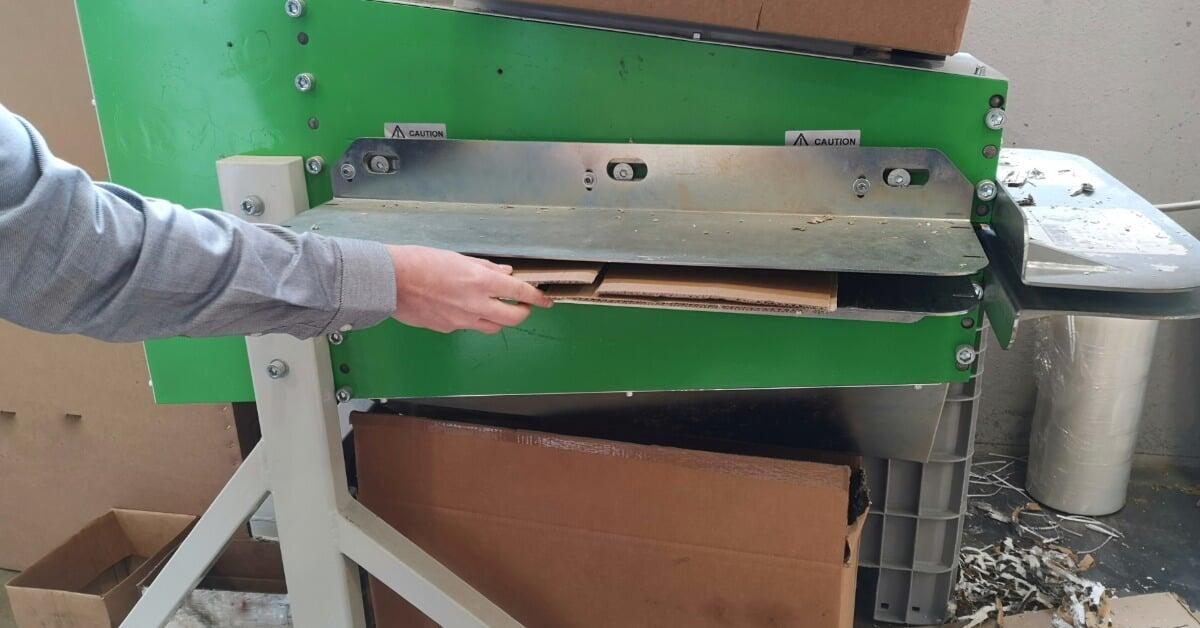
Feed openings place physical limits on the sheets a cardboard shredder accepts. Intake width determines how wide a piece of corrugated board can enter the cutting area, and material thickness influences whether the machine processes it consistently. Therefore, large boxes may require separation into sections before their cardboard fits the available opening.
These limits affect how well a shredder matches the waste stream inside a warehouse. A facility that handles compact shipping cartons may process material differently from one that regularly receives large corrugated containers. Feed capacity becomes an important equipment consideration because it shapes how much preparation stands between discarded cardboard and reusable packaging material.
5. Reduce Reliance on New Cushioning
A warehouse that converts used cardboard gains another source of cushioning from material already moving through the facility. When the output fits the packaging application, it may replace a portion of the bubble, foam, or paper that the operation would otherwise purchase.
The benefit depends heavily on how much usable cardboard the facility generates and how frequently packaging teams require cushioning. Operations with regular inbound cartons and steady outbound packing may have a natural connection between the two material flows. Cardboard shredding won’t eliminate every protective packaging product, but it may reduce demand for new cushioning in applications where the converted material performs well.
6. Provide Cushioning for Suitable Products
Shredded or perforated cardboard works best when its protective properties match the product inside the carton. Flexible pieces can occupy open space, limit movement, and create separation between an item and the box walls.
Product characteristics influence the amount and type of protection a shipment requires. Heavy items, fragile components, irregular shapes, and products with delicate surfaces respond differently to movement and impact. For that reason, converted cardboard serves as one packaging option among several, with its value tied to the shipment it protects.
7. Features Emergency Stop Protection
Powered cutting equipment introduces hazards around moving components, so emergency stop controls provide an important layer of protection. An accessible emergency stop allows an operator to halt machine movement quickly when a jam, unexpected feed problem, or other unsafe condition develops. The control gives workers a direct response when normal operation needs to stop immediately.
Industrial shredding equipment may pair emergency stops with other protective systems, including interlocks or automatic shutdown features. These safeguards reduce exposure to active cutting components and help prevent operation under unsafe conditions. For warehouse managers evaluating equipment, safety controls deserve attention alongside capacity and output because they affect how the machine fits into a working facility.
8. Produce Dust During Processing
Cutting corrugated board produces fibers, dust, and small scraps as the material moves through the machine. Some debris remains near the feed and cutting areas, especially in facilities that process cardboard frequently. As buildup increases, it may interfere with clean material movement or collect around components that benefit from an unobstructed operating area.
Routine cleaning therefore becomes a normal part of cardboard shredder maintenance. The exact amount of debris depends on the material and processing volume, but warehouses should expect cardboard conversion to generate residue. Recognizing that maintenance demand early helps managers account for equipment care without treating the shredder as a machine that runs indefinitely without attention.
Add a Cardboard Shredder to Warehouse Operations
Warehouse managers need to know that the value of cardboard shredders depends on the relationship between incoming corrugated waste and outgoing packaging demand. Facilities that generate usable cardboard and regularly consume protective material may have an opportunity to connect those two parts of the operation. Evaluating material volume, feed capacity, output, safety features, and maintenance demands gives managers a realistic understanding of the equipment before adding it to a packaging area.
If you’re ready to add heavy-duty industrial shredders to your operations, browse the selection at PackSmart. We provide a variety of machines with durable cutting blades that can accommodate high waste outputs.