
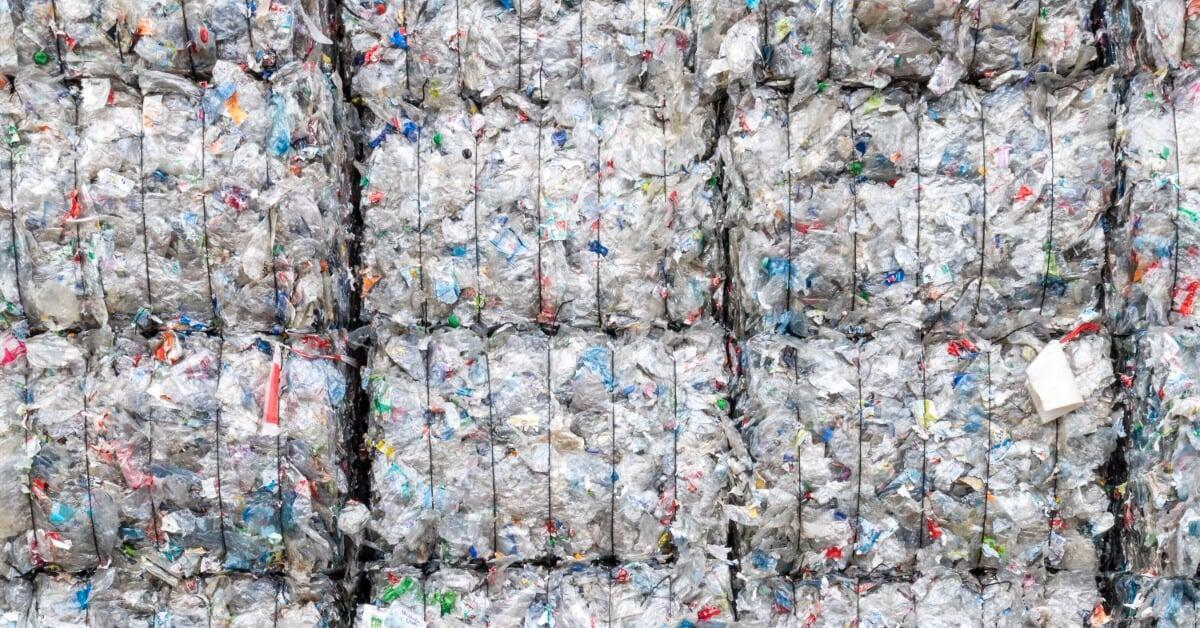
Warehouses and distribution centers generate a steady stream of waste from daily operations. Cardboard boxes, plastic wrap, and other materials build up quickly and take up valuable space if teams don’t manage them efficiently. Many operations turn to baling to control waste while keeping workflows organized.
Baling compacts loose materials into dense, manageable bundles that are easier to store, transport, and recycle. It also helps reduce disposal costs and improves overall facility cleanliness. Knowing the different types of materials you can bale helps you evaluate what belongs in your waste stream and how to handle it.
Cardboard and Corrugated Waste
Cardboard remains one of the most common materials found in warehouse environments. Incoming shipments generate a constant flow of boxes that teams must break down and manage throughout each shift. If crews leave that material loose, it quickly creates clutter and slows down movement across the floor.
Baling cardboard keeps work areas clear while turning waste into a recyclable commodity. Compacted bales take up far less space than loose boxes, which makes storage and pickup more efficient. Many operations also benefit from recycling programs that offer rebates based on bale volume and quality.
Paper Products From Daily Operations
Paper waste extends beyond corrugated packaging and includes office paper, inserts, and printed materials. These items often accumulate in smaller quantities, but they still contribute to overall waste volume when combined over time.
If there’s no system in place, paper can scatter across workstations, creating an unnecessary mess that slows down daily tasks. Baling gives teams a consistent way to collect and manage paper waste before it spreads across the floor. It also supports recycling efforts by keeping paper clean and separated from other materials.
Plastic Film and Stretch Wrap
Plastic film appears in nearly every shipping and receiving process. Stretch wrap secures pallet loads, while shrink wrap protects products during transport. These materials tend to collect in large volumes, especially in high-throughput operations.
Loose plastic film can be difficult to manage because it tangles easily and occupies significant space. Baling helps contain that material and prevents it from interfering with daily workflows. Teams can also reduce slip hazards by removing loose plastic from walkways and staging areas.
Rigid Plastics and Containers
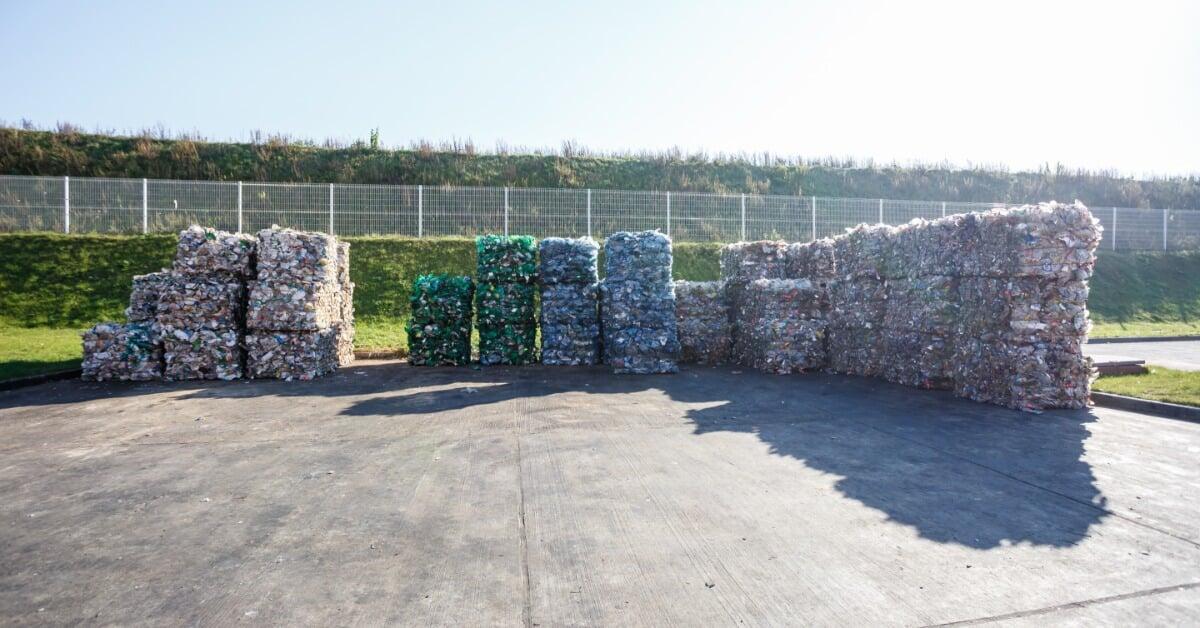
Not all plastics behave the same way, so rigid plastics require a slightly different handling approach than film. Containers, bottles, and hard packaging materials retain their shape, making them more resistant to compression and less forgiving under inconsistent loading conditions. When teams apply a consistent process, these materials still bale effectively and produce stable, dense outputs.
Facilities that separate rigid plastics from other waste streams see stronger results over time. This improves bale density while keeping materials clean, which supports better recycling outcomes and helps preserve material value.
Metals and Aluminum Cans
Some operations generate metal waste through packaging, production, or product returns, especially in food, beverage, and manufacturing environments. Aluminum cans and light metal components hold strong recycling value, but only when teams handle them correctly and keep them separated from other materials.
Baling creates a more controlled way to handle metal waste by applying the pressure needed to compact dense materials. Once compressed, bales become easier to store, transport, and prepare for recycling. Facilities that manage metals this way often improve both operational efficiency and the financial return from their recycling programs.
Foam and Lightweight Packaging Materials
Foam packaging protects products during shipping, but it creates challenges as it accumulates in large volumes. Expanded polystyrene and similar materials take up significant space despite their low weight, which can quickly strain storage areas and disrupt workflow if left unmanaged. As piles grow, teams often spend more time handling and relocating material than necessary.
Baling provides a more controlled way to manage foam by reducing its footprint and keeping it contained in one place. While it does not compress as tightly as denser materials, it is still much easier to store, move, and prepare for disposal or recycling.
Textiles and Soft Materials
As operations evaluate the different types of materials they can bale, textiles often stand out as a category that benefits from consistent compaction and handling. Some facilities handle textiles, fabric scraps, or soft goods as part of their operations, especially in manufacturing or returns processing.
Baling compresses soft materials into dense, uniform bundles that are easier to store, transport, and stage for recycling or disposal. This reduces the number of handling touches required and helps teams maintain a cleaner, more organized workflow.
Key Factors That Influence What You Can Bale
Teams should evaluate their waste streams and equipment capabilities before making decisions. A clear understanding of these variables helps prevent inefficiencies and equipment strain. Some of the key things to consider include the following:
- Material type and density
- Daily waste volume
- Available floor space
- Required bale size and weight
- Recycling or disposal goals
When teams align these factors with their equipment, they create a more reliable and efficient waste management process.
Tips for Buying a Baler
Selecting the right baler requires more than just choosing a machine that fits your budget. Your decision should reflect how your operation runs today and how it may grow over time. When you take a structured approach, you avoid common issues like inefficiency, downtime, and equipment strain.
Evaluate Your Material and Volume
Identify the materials your team handles most often. Cardboard, plastic film, and other recyclables respond differently under pressure, so your equipment should align with those characteristics. A baler built for your primary material helps maintain consistent output and reduces strain on the machine.
Waste volume also plays a key role in equipment selection. Operations that generate higher volumes require a baler that runs consistently without frequent stops or slowdowns. When capacity matches your workload, your team can maintain steady performance throughout each shift.
Consider Available Space and Layout
Your facility layout should guide your equipment choice. Some balers require more vertical or horizontal space, which can affect how they fit into your workflow. Placing equipment in the wrong area can disrupt traffic patterns and slow down operations.
Look at where waste accumulates and how your team moves materials through the space. A well-placed baler supports natural workflow instead of forcing adjustments. This keeps processes efficient and reduces unnecessary handling.
Focus on Ease of Operation
Operators should be able to use the baler without confusion or delays. Clear controls and simple loading procedures help teams stay productive throughout the shift. When equipment feels complicated, it often leads to inconsistent use or avoidable errors.
Training time also plays a role here. Equipment that requires minimal instruction allows new employees to get up to speed quickly. That consistency helps maintain output even as staffing changes.
Buy Your Baler
PackSmart helps businesses evaluate their waste streams and match them with the right equipment. If your operation needs a more reliable way to manage materials, their team can guide you toward the right baling machines and support your system from installation through ongoing service.
Baling offers a practical way to manage the wide range of materials that move through warehouse environments. From cardboard and plastics to metals and textiles, each material requires a thoughtful approach to handling and compaction. When teams understand what they can process, they build a more organized and efficient workflow.