
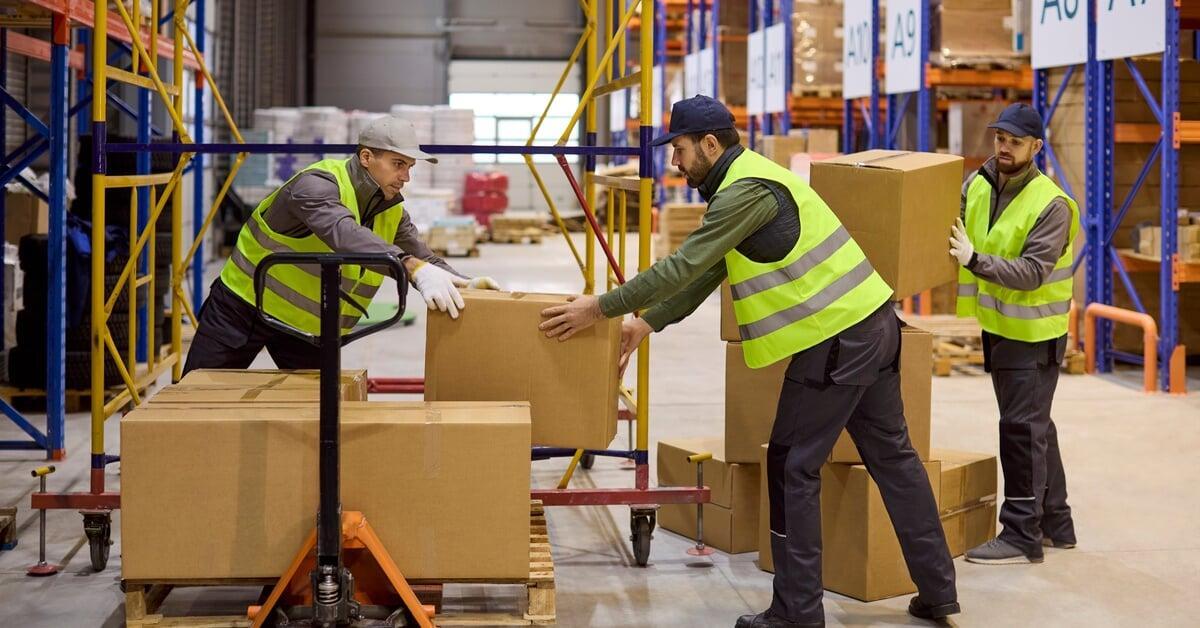
Palletizing directly impacts how smoothly products move through your operation. When this stage slows down or becomes inconsistent, it creates delays that affect packing, shipping, and overall output. Teams that focus on improving this part of the process often see gains in both speed and accuracy. This guide explores the many ways to optimize palletizing for higher efficiency.
Optimize Case Orientation
Case orientation directly impacts how efficiently products move through the palletizing cycle. When cases arrive misaligned or rotated, operators must stop to reposition them before stacking. These interruptions may seem minor, but they quickly reduce throughput, especially in higher-volume operations.
Maintaining consistent orientation starts upstream. Conveyor guides, case sealers, and transfer points should keep products aligned as they move through the line. When cases arrive in the correct position, operators can stack continuously without extra handling or delays.
Proper orientation also improves load stability. Aligned cases distribute weight evenly across each layer, reducing pressure points and limiting shifting. This results in stronger, more reliable pallets that perform better during storage and transport.
Standardize Load Patterns
Consistent load patterns remove uncertainty from the palletizing process. When operators follow the same stacking method each time, they move faster and make fewer adjustments. This approach maintains load uniformity and reduces shifting during storage and transit.
Clear standards also support smoother operations across shifts. New employees can pick up the process more quickly, and experienced teams spend less time correcting errors. Over time, this consistency helps maintain steady output while protecting product integrity.
Right-Size Your Pallets
Pallet size directly affects both load stability and space utilization. When pallets match the product's dimensions, loads stay balanced and secure without overhang. This reduces the risk of damage and keeps stacks more stable during handling.
The right pallet size also improves how space gets used in storage and transport. Teams can maximize each load while maintaining proper support for the product. This balance allows operations to move efficiently without introducing additional risk.
Improve Product Flow to the Palletizing Area
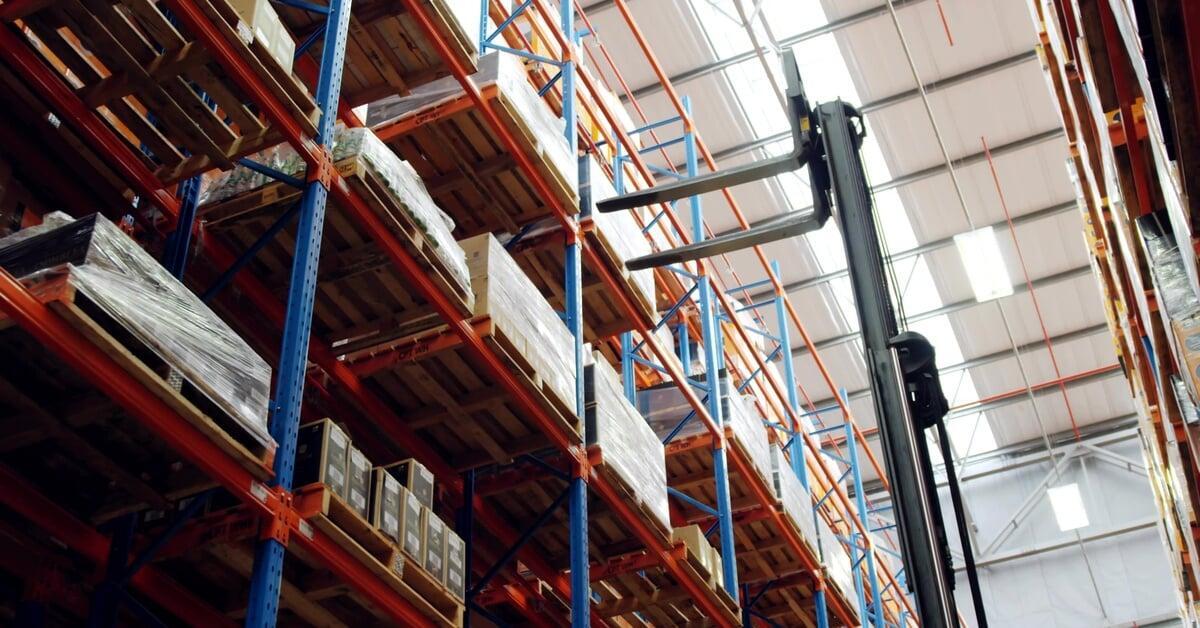
Improving product flows is one of the most overlooked ways to optimize palletizing for higher efficiency. Balancing conveyor speeds or adding short staging areas can remove bottlenecks. When products arrive in a steady rhythm, palletizing runs faster and with fewer disruptions.
A steady flow of product into the palletizing area keeps operations running without interruption. When upstream processes release products unevenly, operators must stop and restart, slowing output and creating inefficiencies. Conveyor speeds, merge points, and accumulation zones all influence how consistently products arrive.
Use Automated or Semi-Automated Systems
Automation improves palletizing by taking over repetitive tasks that often slow operators down. Systems can handle case placement, layer formation, and pallet transfers with consistent timing, keeping cycles moving at a steady pace. This reduces the need for constant manual adjustments and helps eliminate variation between loads.
The right level of automation depends on your operation. Semi-automated systems can assist with specific steps, while fully automated setups manage the entire palletizing process. As volume increases, these systems help maintain output without adding labor, while also reducing fatigue and keeping performance consistent across shifts.
Train Operators on Best Practices
Operator training directly impacts palletizing efficiency. When teams understand stacking patterns and equipment use, they move with more confidence and make fewer adjustments. This keeps the process consistent and reduces slowdowns.
Training should go beyond basic operation and focus on common issues. Operators need to spot problems like misaligned loads or inconsistent flow early and correct them quickly. This prevents small disruptions from affecting the entire line.
Pro Tip
Consistent training also creates uniform performance across shifts. When every operator follows the same approach, output stays steady and predictable.
Maintain Equipment Regularly
Equipment performance directly impacts palletizing speed and reliability. When machines begin to wear or fall out of calibration, cycle times slow, and errors increase. These issues often go unnoticed until they cause downtime or disrupt production.
A structured maintenance plan helps catch problems early. Routine checks on belts, sensors, and moving parts keep systems operating at the correct speed. Addressing small issues before they escalate prevents unexpected breakdowns.
Reduce Touchpoints
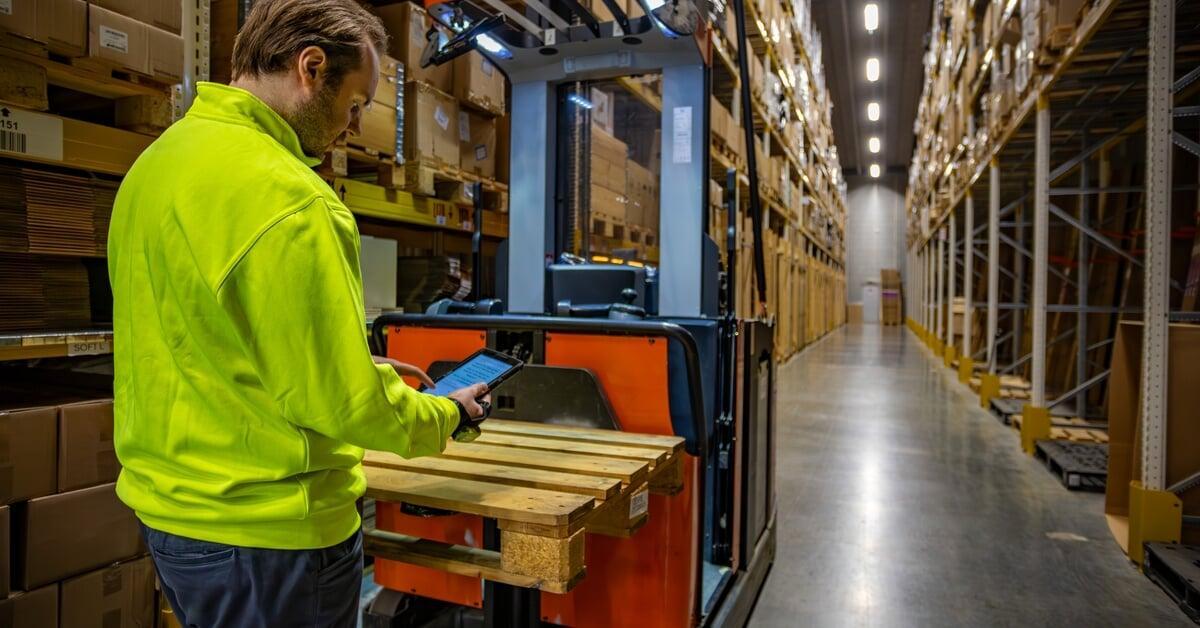
Every time a product gets handled, the process slows down. Extra touches often come from poor layout, unclear flow, or unnecessary staging between steps. Reducing touchpoints between packing and palletizing helps keep products moving without interruption while lowering the risk of damage.
Teams can improve efficiency by tightening the path products take from one stage to the next. When items move directly from packing to palletizing without detours, operators spend less time adjusting or repositioning them. This creates a smoother workflow that supports consistent output.
Focus on simplifying movement across the line by addressing areas where handling adds no value:
- Limit unnecessary transfers between stations
- Keep product paths direct and simple
- Reduce manual repositioning whenever possible
- Align processes to minimize handling steps
Ensure Proper Load Containment
Load containment keeps each layer locked in place once the pallet leaves the line. Stretch wrap must apply the right tension and coverage to hold cases tightly without crushing them. If the wrap is too loose or inconsistent, boxes can shift during turns, stops, or transit.
Strapping adds another level of control for heavier or uneven loads. It secures the top layers and prevents movement that stretch wrap alone may not fully control. When both methods are applied correctly, pallets stay intact through storage, handling, and shipping without requiring rework.
Align Palletizing With Upstream Processes
Palletizing needs a consistent input rate to perform efficiently. When upstream packing lines release products in uneven bursts, palletizing either backs up or sits idle waiting for product. This stop-and-go pattern reduces throughput and creates unnecessary strain on both equipment and operators.
Coordinating conveyor speeds, pack rates, and accumulation zones keeps product flowing at a steady pace. When each stage feeds the next at the right rate, palletizing can run continuously without interruption. This alignment helps maintain output targets and prevents delays from building across the line.
Improve Palletizing Performance with the Right Support
PackSmart works with warehouse teams to design solutions that improve efficiency at every stage of the packaging process. From layout adjustments to system recommendations, our team helps identify practical ways to keep operations running smoothly. If your process includes manual or automated systems, the right support can make a measurable difference.
Whether you are upgrading equipment or refining your workflow, PackSmart can help you choose the right palletizer machines and supporting systems for your operation. With the right approach in place, you can maintain consistent output and keep your packaging line performing at a higher level.